Tromsø Food & Drink Guide: Complete Culinary Experience
Complete Tromsø food guide: Traditional reindeer €35-50, whale €38-55, king crab €45-80. Dining €15-100. Beer €8-12. Supermarkets save 50-70%. Coffee culture 2026.
Last updated: August 31, 2026
TL;DR
Tromsø dining costs €15-100 per meal with budget options (Mathallen food court, Asian restaurants €12-25), mid-range restaurants (Bardus, Smørtorget €30-60), and fine dining (Fiskekompaniet, Emma’s €50-100). Traditional Arctic specialties include reindeer (€35-50 mains), king crab (€45-80), whale meat (€38-55, controversial minke), stockfish/dried cod (€30-45), and Arctic char (€35-50). Beer costs €8-12 per 0.5L in bars (€2-3 supermarkets), wine €70-120 bottles restaurants (€15-25 supermarkets), cocktails €12-18. Coffee culture thrives at Kaffebønna, Blårock, and Risø Mat & Kaffebar (€4-6 excellent quality). Best seafood restaurants: Fiskekompaniet (€40-80, premium harbor location), Arctandria SjømatRestaurant (€35-70, local favorite). Traditional Norwegian: Rorbua pub (€25-50, authentic atmosphere), Hildr Gastro Bar (€35-65, modern Nordic). Supermarkets (Rema 1000, Kiwi, Coop) enable self-catering saving 50-70% versus restaurants with groceries costing €15-30 daily. Breakfast typically €10-25 hotel buffets or €8-15 cafes. Tipping not required (service included) though 10% appreciated exceptional service. Reservations essential fine dining (Emma’s, Fiskekompaniet) 2-4 weeks December-February peak. Vegetarian/vegan options limited but improving – specify when booking. Alcohol monopoly Vinmonopolet sells wine/spirits (closed Sundays) while supermarkets sell beer only up to 4.7%.
3 hours for tromsø food walk and tastings. Book The Tromsø Food Walk
Discover what fits this part of your trip. The food walk combines local tastings with water, coffee and tea. Explore Tromsø Food Walk And Tastings
What Are Traditional Arctic and Norwegian Foods?
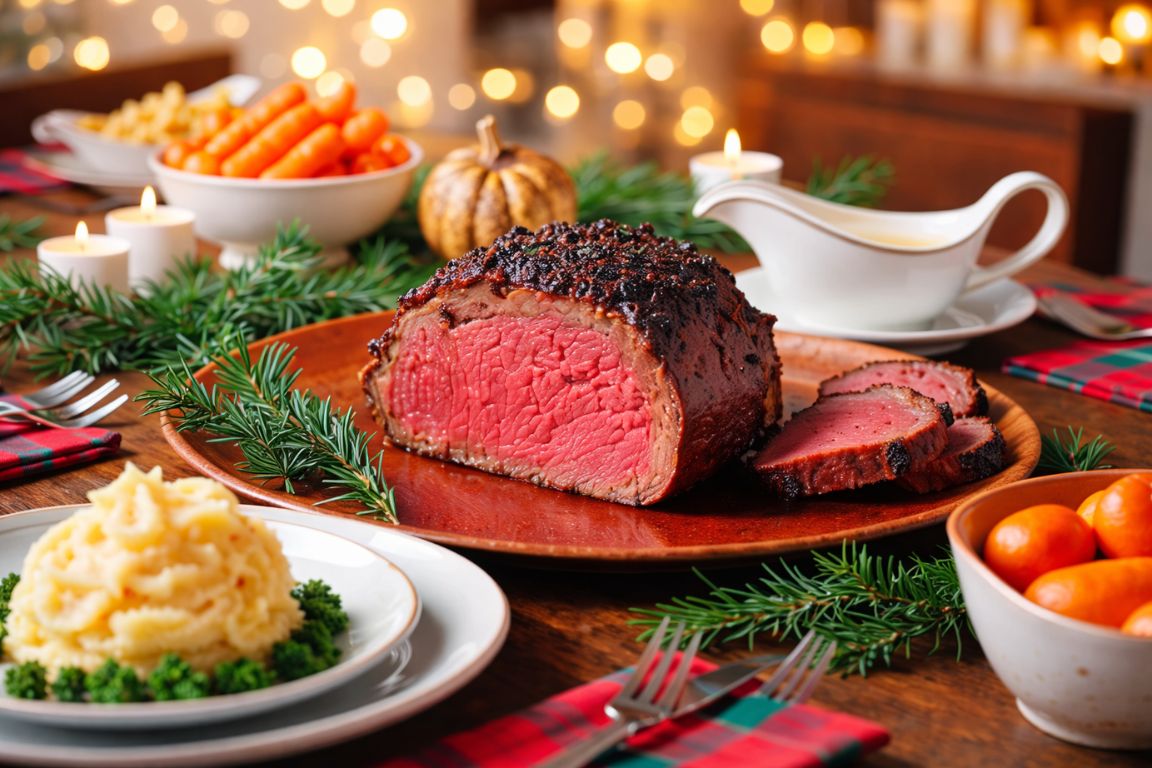
Reindeer meat appears on menus as steaks, stews, or carpaccio offering gamey lean flavor similar to venison, representing traditional Sami indigenous cuisine central to Arctic culture.
King crab harvested from Barents Sea provides sweet succulent meat served whole, in soups, or as luxury additions to seafood platters, costing €45-80 per portion.
Whale meat specifically minke whale remains controversial Norwegian tradition served as steaks or carpaccio, tasting like beef-fish hybrid with iron-rich gamey profile.
Stockfish (tørrfisk) shows air-dried cod creating concentrated flavor and firm texture, traditionally prepared as lutefisk (lye-soaked) or bacalao stew representing centuries-old preservation method.
Table: Traditional Arctic and Norwegian Specialties Guide
| Dish | What It Is | Taste Profile | Typical Price | Best Restaurants | Cultural Significance | Controversy Level | Should You Try? |
|---|---|---|---|---|---|---|---|
| Reindeer | Lean game meat, steak/stew | Gamey, similar to venison | €35-50 | Emma’s, Hildr, Rorbua | Sami indigenous staple | None | Yes (cultural experience) |
| King Crab | Barents Sea giant crab | Sweet, succulent, premium | €45-80 | Fiskekompaniet, Arctandria | Luxury Arctic seafood | None | Yes if budget allows |
| Whale Meat (Minke) | Whale steak/carpaccio | Beef-fish hybrid, gamey | €38-55 | Fiskekompaniet, Emma’s | Traditional Norwegian controversial | High (environmental) | Personal ethics decision |
| Stockfish (Tørrfisk) | Air-dried cod, firm texture | Concentrated fish, intense | €30-45 | Rorbua, traditional pubs | Historic preservation method | None | Yes (unique experience) |
| Arctic Char | Cold-water salmon relative | Delicate, mild, flaky | €35-50 | Most seafood restaurants | Arctic freshwater specialty | None | Yes (excellent fish) |
| Cloudberries (Multe) | Arctic berries, desserts | Tart-sweet, unique | €8-15 desserts | Cafes, fine dining | Arctic foraging tradition | None | Yes (seasonal treat) |
| Bacalao | Stockfish stew Portuguese-style | Rich, tomato-based | €28-40 | Rorbua, traditional | Imported tradition adapted | None | Yes (hearty comfort) |
| Lutefisk | Lye-soaked dried fish | Gelatinous, mild | €25-35 | Traditional (seasonal) | Christmas tradition | None (acquired taste) | Only if adventurous |
Reindeer versatility shows preparations ranging from traditional stews (finnbiff) to modern fine-dining carpaccio with lingonberry accompaniments, bridging cultural heritage and contemporary cuisine.
The king crab boom stems from Russian introduction to Barents Sea (1960s-70s) creating invasive population now harvested commercially, turning ecological problem into culinary luxury.
Whale meat ethics divide opinion with Norwegian sustainable minke whaling (IWC-regulated quotas) being legal but controversial among international visitors and conservation groups.
Stockfish preparation represents Viking-era preservation technology using Arctic cold wind to air-dry cod creating shelf-stable protein that sustained historical expeditions.
Arctic char advantages show cold-water fish developing superior flavor and texture versus warm-water equivalents, with delicate taste appealing to those finding salmon too strong.
Cloudberry rarity reflects Arctic growing conditions limiting berry production to brief summer season, creating luxury ingredient commanding premium prices in desserts and jams.
The lutefisk acquired taste shows gelatinous texture and mild flavor from lye treatment creating love-it-or-hate-it traditional Christmas dish dividing even Norwegians.
Cultural context matters when ordering whale with some restaurants highlighting sustainable management while others quietly offering without promotion, reflecting divisive Norwegian perspectives.
Price justification for king crab and whale reflects limited supply, fishing regulations, and luxury positioning versus cheaper cod or salmon being everyday options.
Where Are the Best Fine Dining Restaurants?
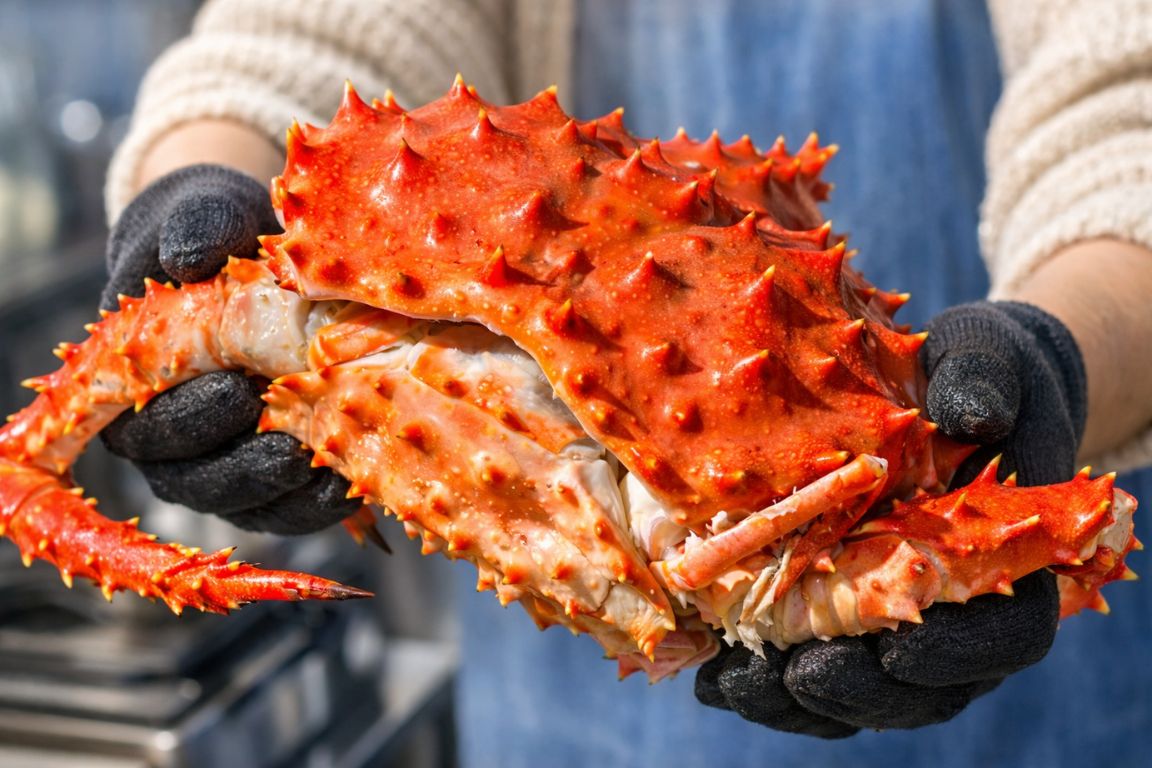
Fiskekompaniet leads Tromsø fine dining (€40-80 per person) specializing in seafood with harbor views, king crab, Arctic fish, and controversial whale in elegant upscale setting.
Emma’s Drømmekjøkken offers romantic Norwegian cuisine (€50-100) featuring seasonal menus, reindeer, local fish, and sophisticated preparations in historic downtown building.
Hildr Gastro Bar provides modern Nordic dining (€35-65) with innovative small plates, local ingredients, creative presentations, and craft cocktail pairings in contemporary atmosphere.
Arctandria SjømatRestaurant delivers quality seafood (€35-70) focusing on fresh catches, traditional preparations, and local favorite status versus tourist-heavy competitors.
Table: Fine Dining Restaurant Comparison
| Restaurant | Price Range | Cuisine Style | Signature Dishes | Atmosphere | Reservation | Best For | Local vs Tourist | Wine List |
|---|---|---|---|---|---|---|---|---|
| Fiskekompaniet | €40-80 | Seafood Fine Dining | King crab, whale, Arctic char, halibut | Elegant, harbor views | Required peak season | Special occasion, seafood lovers | 60/40 tourist | Extensive €50-200 |
| Emma’s Drømmekjøkken | €50-100 | Upscale Norwegian | Reindeer, seasonal tasting menus, local fish | Romantic, historic | Required always | Romance, Norwegian cuisine | 70/30 tourist | Very Good €60-180 |
| Hildr Gastro Bar | €35-65 | Modern Nordic | Small plates, innovative preparations, seasonal | Contemporary, stylish | Recommended | Adventurous palates, cocktails | 50/50 mix | Good €40-150 |
| Arctandria SjømatRestaurant | €35-70 | Seafood Traditional | Fresh fish, crab, traditional preparations | Casual upscale, local vibe | Recommended | Quality without pretension | 40/60 local | Good €40-120 |
| Mathallen Gourmet (Food Court) | €15-25 | Varied Upscale Casual | Asian, pizza, varied high-quality vendors | Food hall, casual | No | Quick quality, variety | 50/50 mix | Limited €30-60 |
Fiskekompaniet positioning shows harbor-front location, white tablecloths, and premium seafood creating special-occasion destination versus everyday dining.
Emma’s reservation requirement stems from limited 30-40 seat capacity and popularity demanding 2-4 weeks advance booking December-February and June-July peak seasons.
Hildr modern approach balances traditional Norwegian ingredients with contemporary techniques, small-plate sharing format, and creative presentations attracting younger sophisticated diners.
Arctandria local preference shows Tromsø residents favoring quality-to-price ratio and authentic atmosphere over tourist-focused marketing and premium positioning.
The fine dining cost shows €50-100 per person including appetizer, main, dessert, and wine creating €100-200 couple dining experience for special occasions.
Signature dish strategy recommends ordering Arctic specialties (king crab, reindeer, Arctic char, whale) versus international options available elsewhere at lower prices.
Tasting menu options at Emma’s (€80-120 per person) provide chef-selected multi-course experiences showcasing seasonal ingredients though requiring 2-3 hour commitment.
Wine pairing additions (€40-80) complement tasting menus with sommelier-selected Norwegian and international wines enhancing culinary experience.
Service quality shows professional attentive Norwegian style balancing friendliness with efficiency versus over-familiar American service or formal French approaches.
Dress code remains smart-casual with locals wearing nice jeans and collared shirts, avoiding strict formal requirements though respecting upscale atmosphere.
Is Tromsø expensive? Yes, but our complete cost guide shows how to visit on budgets ranging from €60-300 daily with specific strategies for minimizing expenses.
What Are the Best Mid-Range Restaurants?
Bardus Bistro delivers quality dining (€30-60) with diverse menu spanning burgers, fish, pasta, and Norwegian dishes in relaxed atmosphere attracting locals and tourists equally.
Smørtorget provides reliable Italian-influenced cuisine (€20-40) serving pizza, pasta, salads, and grilled dishes in casual family-friendly setting with good value.
Rorbua pub combines traditional Norwegian food (€25-50) with authentic atmosphere serving fish soup, stockfish, reindeer, and local specialties in historic waterfront building.
Mathallen food court offers variety (€12-25) with multiple vendors including Asian, burgers, pizza, and Norwegian options enabling groups with different preferences eating together.
Check your travel date before arranging other plans. The food walk combines local tastings with water, coffee and tea. Check Your Tromsø Food Walk Date
Table: Mid-Range Restaurant Options
| Restaurant | Price Range | Food Type | Best Dishes | Atmosphere | Reservation | Crowds | Best For | Value Rating |
|---|---|---|---|---|---|---|---|---|
| Bardus Bistro | €30-60 | Varied International | Burgers, fish & chips, pasta, salads | Casual upscale, popular | Recommended dinner | High | Quality without formality | Very Good |
| Smørtorget | €20-40 | Italian-Norwegian | Pizza, pasta, grilled fish | Casual, family-friendly | Usually no | Medium | Families, safe choices | Good |
| Rorbua | €25-50 | Traditional Norwegian | Fish soup, stockfish, reindeer, whale | Authentic pub, historic | Usually no | Medium-High | Traditional experience | Good |
| Mathallen Food Court | €12-25 | Varied Multi-Vendor | Asian, burgers, pizza, depends | Food hall, casual | No | High | Quick, variety, groups | Excellent |
| Yonas Pizzeria | €15-30 | Pizza, Kebab, Fast Casual | Pizza, kebabs, burgers | Very casual, local | No | Low-Medium | Budget, late night | Excellent budget |
| Huken Pub | €20-40 | Pub Food, Norwegian | Burgers, fish, pub standards | Local pub, authentic | No | Low-Medium | Local atmosphere | Good |
| Egon Restaurant | €20-40 | Chain American-Style | Burgers, ribs, varied | Family chain | No | Medium | Safe familiar, kids | Fair (chain) |
| Risø Mat & Kaffebar | €15-30 | Cafe Food, Brunch | Sandwiches, salads, breakfast | Cozy cafe | No | Medium | Lunch, casual | Very Good |
Bardus popularity stems from consistent quality across diverse menu enabling satisfying everyone in groups while maintaining good ingredient sourcing and preparation.
The mid-range value sweet spot shows €30-50 per person delivering quality meals without fine-dining premiums, representing best balance for most visitors.
Smørtorget reliability makes it safe choice for picky eaters, families with kids, or those wanting familiar Italian-style comfort food without culinary adventure.
Rorbua authenticity provides traditional Norwegian pub atmosphere with wood interiors, maritime decor, and menu featuring Arctic specialties missed at international-focused restaurants.
Mathallen food court advantage solves group indecision with Asian, pizza, burger, and Norwegian vendors enabling everyone ordering preferences while eating together.
Yonas budget option shows pizza and kebab (€15-30) being cheapest sit-down meals in Tromsø beyond fast food chains, popular with students and budget travelers.
The local pub scene at Huken shows where Tromsø residents eat and drink versus tourist-heavy harbor restaurants, offering authentic atmosphere and fair pricing.
Reservation patterns show mid-range restaurants accepting walk-ins most nights except peak December-February and June-July when 1-2 day advance calls being recommended.
Menu diversity enables mid-range restaurants serving meat-eaters, seafood lovers, and limited vegetarian options (pasta, salads) though vegan choices remaining minimal.
Where Should You Go for Coffee and Cafes?
Kaffebønna ranks as Tromsø’s top specialty coffee roaster (€4-6 coffee) with expert baristas, Norwegian beans, cozy atmosphere, and light food making it local favorite.
Blårock Café provides dual-purpose space (€4-6 coffee daytime, €10-15 cocktails evening) serving quality coffee, pastries, and transforming into popular bar after 6pm.
Risø Mat & Kaffebar offers excellent coffee and brunch (€10-20) with Norwegian breakfast plates, sandwiches, salads, and welcoming community atmosphere.
Kaffene focuses on minimalist specialty coffee (€4-6) with serious brewing techniques, rotating beans, and no-frills approach attracting coffee purists.
Check your travel date before arranging other plans. The food walk combines local tastings with water, coffee and tea. Check Your Tromsø Food Walk Date
Table: Best Cafes and Coffee Culture
| Cafe | Coffee Quality | Price | Food Options | Atmosphere | WiFi/Laptop Friendly | Best For | Local Favorite | Operating Hours |
|---|---|---|---|---|---|---|---|---|
| Kaffebønna | Excellent | €4-6 | Pastries, light sandwiches | Cozy, welcoming | Yes, good | Coffee quality, local vibe | Very much | 8am-6pm |
| Blårock Café | Very Good | €4-6 coffee, €10-15 drinks | Pastries, cakes, light meals | Modern, transitions bar | Yes | Day coffee, evening drinks | Yes | 9am-11pm (bar) |
| Risø Mat & Kaffebar | Very Good | €4-6 coffee, €10-20 food | Full breakfast, brunch, sandwiches | Community, bright | Yes | Breakfast, brunch, lunch | Yes | 8am-5pm |
| Kaffene | Excellent | €4-6 | Minimal, focus on coffee | Minimalist, serious | Limited | Coffee purists | Moderate | 9am-5pm |
| Søstrene Karlsen | Good | €4-5 | Extensive cakes, pastries | Traditional, sweet-focused | Limited | Cake, traditional | Moderate | 10am-5pm |
| Downtown Chains (Wayne’s, Starbucks) | Fair-Good | €5-8 | Standard chain items | Generic chain | Yes | Familiar, convenience | No | 7am-8pm |
| Clarion Collection Hotel Café | Good | €5-7 | Extensive pastries included guests | Hotel lobby | Yes | Hotel guests, convenient | No | 6am-10pm |
Kaffebønna excellence shows Norwegian specialty coffee movement with locally roasted beans, pour-over methods, and educated baristas creating third-wave coffee culture.
The coffee quality hierarchy places specialty cafes (Kaffebønna, Kaffene) above chains (Wayne’s Coffee, Starbucks) with €4-6 versus €5-8 prices reflecting quality differences.
Blårock versatility enables morning coffee stop transforming into evening cocktail bar (6pm onward) creating efficient dual-use space maximizing real estate in compact downtown.
Norwegian cafe culture involves lingering over coffee and conversation versus quick takeaway, with comfortable seating and welcoming atmosphere encouraging extended visits.
Pastry quality shows traditional Norwegian cakes, cardamom buns, and cinnamon rolls complementing coffee, with Søstrene Karlsen specializing in extensive sweet selections.
The laptop-friendly assessment shows most cafes accepting working customers during slow periods though crowded weekend mornings discouraging table-camping without purchases.
Coffee price comparison reveals €4-6 Tromsø specialty coffee matching Oslo standards while being 50-100% more expensive than Southern European cafe prices.
Norwegian breakfast cafe culture starts early (7-9am) with many locals taking morning coffee and pastry before work, creating busy pre-work rush periods.
Takeaway option availability shows most cafes offering to-go cups though encouraging dine-in through ceramic serving and comfortable seating investments.
What About Bars and Drinking Culture?
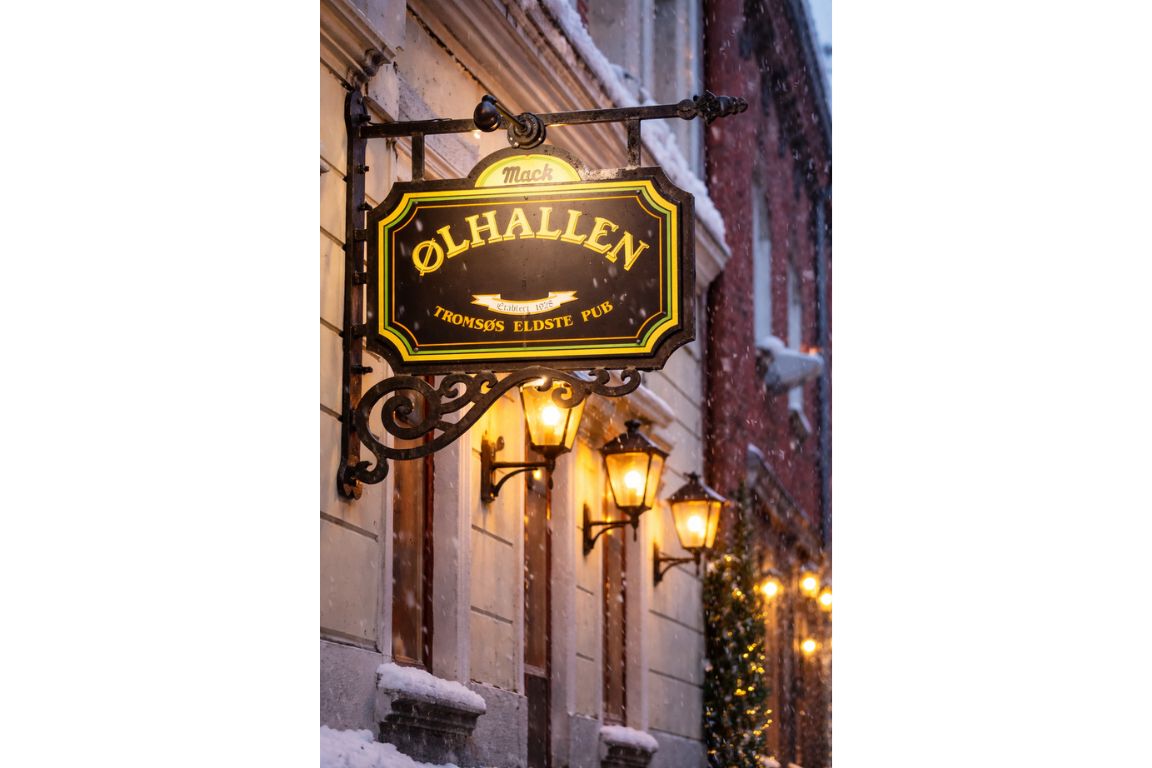
Ølhallen beer hall dominates Tromsø drinking scene (€8-12 beers) with 70+ taps, historic 1928 building, long communal tables, and authentic Norwegian beer culture.
Rorbua pub provides traditional atmosphere (€8-12 beers, €25-50 food) combining drinking and dining in cozy maritime setting with occasional live music.
Blårock bar serves craft cocktails (€12-18) and wine (€10-15 glasses) in modern stylish setting attracting younger sophisticated crowd preferring cocktails over beer.
Bardus Bistro transitions evening bar (€10-15 drinks) with extensive cocktail and wine list complementing dinner service and attracting post-dinner drinking crowd.
Check your travel date before arranging other plans. The food walk combines local tastings with water, coffee and tea. Check Your Tromsø Food Walk Date
Table: Best Bars and Drinking Venues
| Bar/Pub | Type | Beer Price | Atmosphere | Crowd | Food Available | Best For | Local/Tourist | Opens/Closes |
|---|---|---|---|---|---|---|---|---|
| Ølhallen | Beer Hall | €8-12 | Historic, communal tables, authentic | Mixed all ages | Pub food €20-40 | Beer selection, atmosphere | 50/50 mix | 6pm-1am |
| Rorbua | Traditional Pub | €8-12 | Cozy maritime, wooden interior | Mixed, slightly older | Full menu €25-50 | Traditional, food+drink | 40/60 tourist | 5pm-midnight |
| Blårock | Cocktail Bar | €12-18 cocktails | Modern, stylish, younger | 25-40 years | Limited snacks | Cocktails, modern vibe | 60/40 local | 6pm-2am |
| Bardus Bistro Bar | Restaurant Bar | €10-15 | Upscale casual | 30-50 years | Full menu €30-60 | Wine, cocktails, quality | 50/50 mix | 5pm-midnight |
| Verdensteatret | Cultural Bar/Venue | €8-12 | Alternative, cultural events | 25-45 years, locals | Minimal | Events, local scene | 70/30 local | 7pm-2am |
| Hildr Gastro Bar | Gastro Bar | €10-15 | Contemporary, sophisticated | 30-50 years | Small plates €8-18 | Craft cocktails, food pairings | 50/50 mix | 5pm-11pm |
| Compagniet | Nightclub/Bar | €10-15 | Nightclub atmosphere | 20-35 years | Minimal | Dancing, late night | 60/40 local | 10pm-3am |
Ølhallen cultural significance shows historic beer hall being Tromsø institution where locals and tourists mix at communal tables sharing beer and conversation.
The Norwegian drinking price shock reveals €8-12 beers (0.5L) versus €2-3 supermarket prices creating 300% markup incentivizing pre-drinking at hotels/accommodations.
Beer selection quality at Ølhallen shows 70+ taps including Norwegian craft beers (Nøgne Ø, Lervig, Mack), international imports, and rotating seasonal selections.
Cocktail costs (€12-18) reflect premium spirits, fresh ingredients, and skilled bartending though prices exceeding wine (€10-15 glasses) by volume-to-alcohol ratio.
The drinking culture shows moderate consumption at high prices versus binge drinking, with Norwegians typically having 2-4 drinks over 2-3 hours socializing.
Age demographics vary by venue with Ølhallen mixing all ages (25-65+), Blårock skewing younger (25-40), and Compagniet nightclub attracting 20-35 year olds.
Live music sporadic appearances at Rorbua and other venues requiring checking schedules since performances happening occasionally not nightly versus major music cities.
Late-night options show Compagniet and some bars operating until 2-3am weekends though most closing midnight-1am weeknights creating early-ending nightlife.
Happy hour rarity reflects Norwegian alcohol pricing regulations with few promotions though some venues offering 4-7pm modest discounts (€7-10 versus €8-12 regular).
Is Tromsø good for solo travelers? Our dedicated guide covers safety (near-zero crime), costs, hostels versus hotels, meeting fellow travelers, and solo-friendly tours and activities.
How Much Should You Budget for Meals?
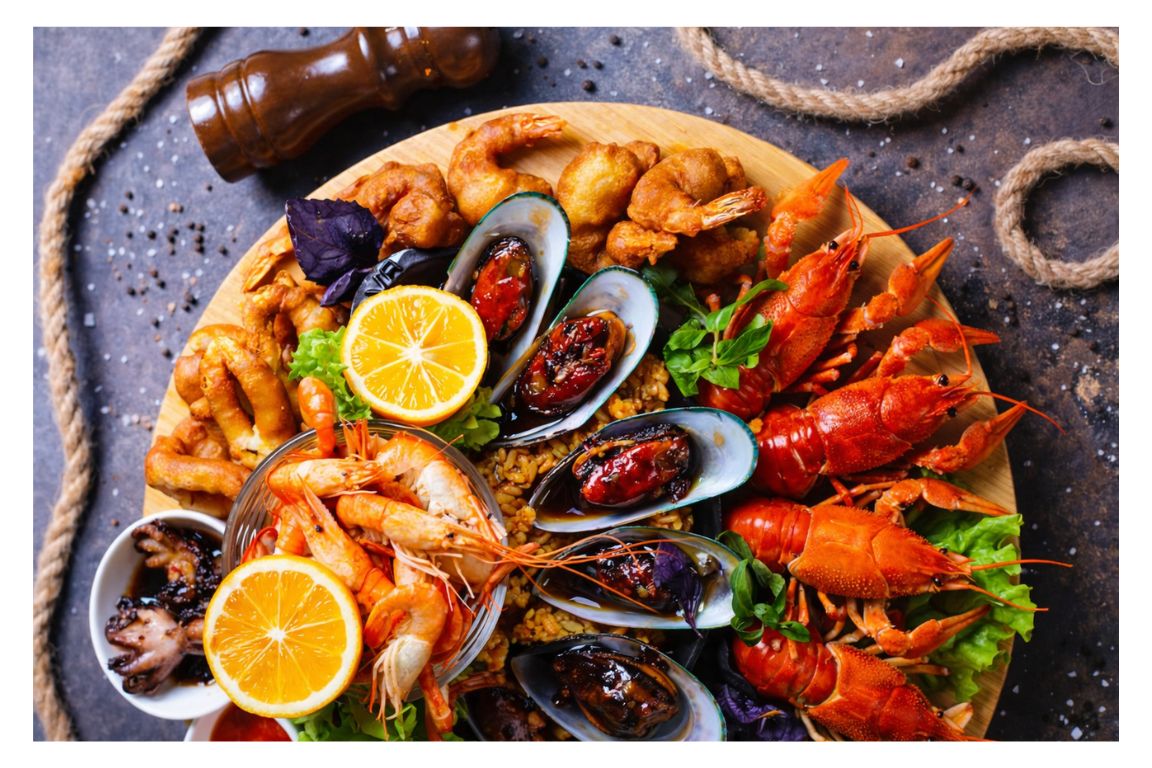
Budget dining (€15-30 daily) requires self-catering breakfast/lunch from supermarkets (€3-8 breakfast, €5-10 lunch) plus cheap dinner at Mathallen or Asian restaurants (€12-25).
Mid-range eating (€40-80 daily) combines hotel breakfast buffet or cafe (€10-20), casual lunch restaurant (€15-25), and quality dinner at Bardus or similar (€30-60).
Comfort dining (€80-120 daily) enables good breakfast (€15-25), lunch at decent restaurants (€20-35), and fine dining dinner at Emma’s or Fiskekompaniet (€50-80).
Luxury food budget (€150-250+ daily) provides premium breakfast (€25-40), upscale lunch (€40-60), and fine dining with wine (€80-120+) without cost constraints.
Our complete guide on planning your visit to Tromsø answers the key questions: which season, how many days, what to book ahead, and how much to budget for Arctic Norway.
Table: Daily Food Budget Breakdown by Spending Level
| Budget Level | Breakfast | Lunch | Dinner | Snacks/Coffee | Daily Total | Strategy | Sacrifices |
|---|---|---|---|---|---|---|---|
| Ultra-Budget | €3-5 supermarket | €5-8 supermarket | €12-18 Mathallen/Asian | €3-5 | €23-36 | 90% self-cater, 1 cheap meal out | Food quality, dining experience |
| Budget | €8-12 cafe/self | €10-18 cheap restaurant | €15-25 mid-range | €5-10 | €38-65 | Breakfast self, mix cheap dining | Fine dining, variety |
| Mid-Range | €12-20 hotel/cafe | €15-25 casual restaurant | €30-50 quality restaurant | €8-15 | €65-110 | Balanced approach, selective quality | Daily fine dining |
| Comfort | €15-25 quality | €20-35 good restaurant | €50-80 fine dining | €10-20 | €95-160 | Good everything, fine dining some nights | Nothing major |
| Luxury | €25-40 premium | €40-60 upscale | €80-150 fine dining + wine | €15-30 | €160-280 | Best available, wine pairings | None |
Ultra-budget €23-36 daily proves feasible through complete self-catering breakfast/lunch from supermarkets (€8-13) and single cheap dinner out (€12-18) at Mathallen or Yonas.
The budget €38-65 range combines self-catered or cheap breakfast (€8-12), affordable lunch at casual restaurants (€10-18), and mid-range dinner (€15-25).
Mid-range €65-110 provides comfortable eating with cafe/hotel breakfast (€12-20), casual lunch restaurants (€15-25), and quality dinner at Bardus or Smørtorget (€30-50).
Comfort €95-160 enables fine dining 2-3 nights weekly (€50-80) while maintaining good breakfast and lunch quality throughout stay.
Weekly budget calculations show 7-day stays costing €161-252 ultra-budget, €266-455 budget, €455-770 mid-range, €665-1,120 comfort, or €1,120-1,960 luxury for food only.
Self-catering savings reach 50-70% with supermarket breakfast (€3-5) versus cafe (€10-15) and packed lunch (€5-8) versus restaurant (€15-25).
The special occasion strategy shows budget travelers splurging one fine dining night (€50-80) while eating cheap other days maintaining overall budget discipline.
Alcohol significantly impacts budgets with 2-3 drinks daily (€16-36) adding €112-252 weekly versus zero for non-drinkers creating major cost variable.
Lunch versus dinner pricing shows many restaurants offering similar dishes €5-15 cheaper at lunch (€15-30) versus dinner (€25-50) presenting savings opportunities.
What Supermarkets and Self-Catering Options Exist?
Rema 1000 provides budget supermarket (20-30% cheaper than competitors) with decent selection enabling complete self-catering for breakfast, lunch, and snacks.
Coop Extra offers mid-range supermarket with better quality and selection than discount chains though pricing 15-25% higher than Rema 1000.
Meny delivers premium supermarket with best quality products, specialty items, and prepared foods though prices 30-50% above discount Rema 1000.
Vinmonopolet government alcohol monopoly sells wine and spirits (closed Sundays) while supermarkets limited to beer under 4.7% creating inconvenient split shopping.
Table: Supermarket and Self-Catering Guide
| Store Type | Price Level | Selection Quality | Locations | Best For | Prepared Foods | Alcohol | Operating Hours |
|---|---|---|---|---|---|---|---|
| Rema 1000 | Budget (baseline) | Good basic | Multiple downtown | Budget self-catering | Limited | Beer <4.7% only | 8am-11pm Mon-Sat |
| Kiwi | Budget | Good basic | Multiple locations | Budget, convenient | Limited | Beer <4.7% only | 8am-11pm Mon-Sat |
| Coop Extra | Mid-Range (+15-25%) | Very Good | City center, convenient | Quality-conscious | Good selection | Beer <4.7% only | 7am-11pm Mon-Sat |
| Meny | Premium (+30-50%) | Excellent | Limited locations | Quality, specialty items | Excellent | Beer <4.7% only | 9am-8pm Mon-Sat |
| Bunnpris | Budget-Mid | Good | Scattered locations | Decent quality budget | Moderate | Beer <4.7% only | 8am-10pm Mon-Sat |
| Vinmonopolet | Government Monopoly | Wine/spirits only | Limited downtown | Wine, spirits over 4.7% | None (alcohol only) | Full range | 10am-6pm Mon-Fri, 10am-3pm Sat, CLOSED Sun |
| Joker | Convenience (+20-40%) | Limited convenience | 24-hour options exist | Emergency, late night | Minimal | Beer <4.7% only | Some 24-hour locations |
Rema 1000 budget pricing shows breakfast items (bread €2-3, cheese €3-5, yogurt €2-3, cereal €3-5) creating €3-5 per person breakfast versus €10-15 cafes.
The prepared food quality progression shows Rema 1000 having basic sandwiches and salads, Coop Extra offering decent ready meals, and Meny providing high-quality deli selections.
Norwegian grocery prices shock international visitors with milk €2-3/liter, bread €3-5/loaf, cheese €6-12/package, and meat €15-30/kg being 30-80% above average European prices.
Vinmonopolet inconvenience shows limited hours (closed Sundays, Saturdays 3pm closing) and separate shopping requiring planning versus simple one-stop grocery shopping.
The beer limitation shows supermarkets selling only up to 4.7% beer (pilsner, light lagers) while stronger beers, wine, and spirits requiring Vinmonopolet visits.
Self-catering breakfast calculation shows €3-5 per person for bread, cheese, jam, yogurt, fruit, coffee versus €10-20 hotel buffets or €8-15 cafe breakfasts.
Lunch packing strategy combines supermarket bread (€3-5 loaf), cheese/meat (€5-10), and fruit/snacks (€3-5) creating €5-8 packed lunch versus €15-25 restaurant meals.
Saturday shopping urgency requires stocking up by 6-8pm since Sunday closures (except some Joker convenience stores) preventing shopping entire day.
The quality difference shows budget Rema 1000/Kiwi having perfectly adequate basic items while premium Meny offering specialty cheeses, better produce, and prepared foods.
What Are Norwegian Meal Customs and Timing?
Breakfast (frokost) eaten 7-9am consists of bread, cheese, cold cuts, jam, yogurt, and coffee forming substantial meal contrasting lighter American continental style.
Lunch (lunsj) taken 11am-1pm shows Norwegians eating open-faced sandwiches (smørbrød), salads, or simple hot meals versus elaborate multi-course Mediterranean lunches.
Dinner (middag) served 5-7pm represents main meal with families eating together, restaurants offering 5-9pm service peaking 6-8pm versus late Southern European dining.
Coffee culture includes morning coffee, mid-morning break (10-11am), afternoon coffee (2-3pm), and social evening coffee creating multiple daily consumption occasions.
Check the full outing length before filling the rest of your day. The food walk combines local tastings with water, coffee and tea. Explore Tromsø Food Walk And Tastings
Table: Norwegian Eating Customs and Cultural Context
| Meal | Typical Time | What’s Eaten | Cultural Notes | Restaurant Timing | Budget vs Splurge | Social Norms |
|---|---|---|---|---|---|---|
| Breakfast (Frokost) | 7-9am | Bread, cheese, cold cuts, jam, yogurt, coffee | Substantial start to day | Hotel 7-10am, cafes 8-11am | €3-5 self vs €10-20 out | Often solitary or family |
| Mid-Morning Coffee | 10-11am | Coffee, maybe small pastry | Break tradition | Cafes busy 10-11am | €4-6 | Social or work break |
| Lunch (Lunsj) | 11am-1pm | Simple sandwiches, salads, light hot meals | Not elaborate affair | Restaurants 11am-3pm | €5-8 self vs €15-25 out | Quick, functional |
| Afternoon Coffee | 2-3pm | Coffee, maybe cake (kaffeslabberas) | Social tradition | Cafes 2-4pm | €6-10 | Social gathering |
| Dinner (Middag) | 5-7pm | Main meal, hot food, family together | Most important meal | Restaurants 5-9pm, peak 6-8pm | €12-18 self vs €30-80 out | Family or social |
| Evening Snack (Kveldsmat) | 8-9pm | Light snack, bread, fruit | Optional light meal | Most kitchens closing | €2-5 | Casual, often home |
Breakfast Norwegian style shows substantial cold meal with multiple cheeses, meats, bread varieties contrasting American hot breakfasts or continental pastry-only approaches.
The open-faced sandwich tradition (smørbrød) involves single slice of bread topped with cheese, cold cuts, fish, vegetables creating lighter lunch than American two-slice sandwiches.
Early dinner timing surprises Mediterranean and Latin American visitors accustomed to 8-10pm dining, with 7pm Norwegian restaurant arrivals being normal not early.
Coffee consumption frequency shows Norwegians drinking 3-5 cups daily creating world-leading per-capita consumption rates and strong specialty coffee culture.
The kaffeslabberas tradition (coffee slurp) involves afternoon coffee with cake and conversation as social ritual comparable to British afternoon tea.
Reservation timing considerations show booking 6-7pm tables being easiest while 7:30-8pm peak requiring advance planning at popular restaurants.
Sunday dinner tradition shows many Norwegians eating larger family dinners, creating busier restaurant Sundays (5-8pm) than weeknights despite many stores being closed.
Quick lunch culture reflects Norwegian efficiency valuing productivity over leisure, contrasting Mediterranean long lunch traditions with wine and multiple courses.
The evening snack option shows lighter second meal for those eating early dinner (5-6pm) becoming hungry again 8-9pm before bed.
What Should You Definitely Try and What Should You Skip?
Must-try foods include Arctic char (delicate cold-water fish), reindeer (cultural Sami tradition), king crab (if budget allows), cloudberries (seasonal Arctic berries), and stockfish (historic preservation).
Skip overpriced tourist menus along harbor showing generic international dishes at premium prices versus authentic Norwegian specialties available at similar-or-lower cost elsewhere.
Controversial whale meat represents personal ethics decision with sustainable minke whaling being legal though environmentally and culturally divisive among visitors and locals.
Avoid chain restaurants (Peppes Pizza, Egon) wasting limited dining time on mediocre international food available anywhere versus unique Arctic cuisine opportunity.
For detailed attraction descriptions, costs, optimal timing, restaurant recommendations, and sample itineraries, see our complete Tromsø guide on what to see and do.
Discover what fits this part of your trip. The food walk combines local tastings with water, coffee and tea. Explore Tromsø Food Walk And Tastings
Table: What to Try vs What to Skip
| Category | Must Try | Why Try | Skip | Why Skip | Better Alternative |
|---|---|---|---|---|---|
| Seafood | Arctic char, king crab, fresh cod | Arctic cold-water quality, local | Generic salmon | Available everywhere cheaper | Local Arctic fish |
| Meat | Reindeer | Cultural Sami tradition, unique | Chain burgers | Mediocre, available anywhere | Quality burger at Bardus |
| Traditional | Stockfish, bacalao | Historic preservation, authentic | Tourist trap “Viking” platters | Overpriced generic | Rorbua traditional menu |
| Controversial | Whale (personal ethics) | Legal sustainable Norwegian tradition | Whale if ethics conflict | Environmental concerns valid | Reindeer or fish |
| Desserts | Cloudberry desserts (seasonal) | Arctic berry, unique flavor | Generic chocolate cake | Available anywhere | Norwegian traditional cakes |
| Drinks | Norwegian craft beer | Strong local brewing culture | International beer brands | Same as home, expensive | Mack or craft selections |
| Restaurants | Local specialists (Emma’s, Fiskekompaniet) | Quality, authentic, memorable | Chain restaurants (Peppes, Egon) | Mediocre, tourist traps | Local equivalent alternatives |
| Coffee | Specialty cafes (Kaffebønna) | Norwegian coffee culture excellence | Chain coffee (Starbucks) | Generic, not special | Local roasters |
| Self-Catering | Norwegian brown cheese | Unique sweet cheese experience | Pre-made supermarket sushi | Poor quality, overpriced | Fresh bread and cheese |
Arctic char superiority shows cold-water fish developing delicate flavor and superior texture versus farmed warm-water alternatives available internationally.
The reindeer cultural significance makes trying essential for understanding Sami indigenous cuisine and Arctic food traditions even for those typically avoiding game meats.
King crab splurge justification shows €45-80 delivering massive sweet crab legs creating memorable luxury experience worth budget stretching for special occasion.
Cloudberry seasonal limitation (summer-early autumn) creates urgency trying when available since Arctic berry’s tart-sweet profile being unique and geographically limited.
The whale ethics complexity requires individual decision-making with Norwegian sustainable management (IWC quotas, monitoring) being legal though controversial among conservation groups.
Tourist trap recognition shows harbor-front restaurants with picture menus and multiple languages charging €35-60 for mediocre pasta versus €30-50 quality Norwegian dishes.
Chain restaurant waste occurs when visitors eating Peppes Pizza (€20-35) instead of trying authentic Norwegian cuisine at Rorbua or Bardus for similar prices.
Craft beer quality shows Norwegian brewing renaissance with Mack (Tromsø local), Nøgne Ø, and Lervig producing excellent beers worth €8-12 versus €8-12 international brands.
Norwegian brown cheese (brunost) provides acquired-taste sweet caramel cheese unique to Norway, worth trying at breakfast buffets before committing to purchase.
FAQs
How much should I budget for food in Tromsø per day?
Budget €40-80 mid-range (€12-20 breakfast, €15-25 lunch, €30-60 dinner, €8-15 snacks/coffee) or €15-30 ultra-budget self-catering with one cheap meal out.
Check your travel date before arranging other plans. The food walk combines local tastings with water, coffee and tea. Check Your Tromsø Food Walk Date
What traditional Norwegian foods should I try in Tromsø?
Reindeer (€35-50, Sami tradition), Arctic char (€35-50, cold-water fish), king crab (€45-80, luxury), stockfish (€30-45, historic), cloudberries (€8-15 desserts, seasonal Arctic berries).
Discover what fits this part of your trip. The food walk combines local tastings with water, coffee and tea. Explore Tromsø Food Walk And Tastings
Is whale meat ethical and legal in Norway?
Legal through regulated sustainable minke whaling (IWC-monitored quotas) though environmentally controversial – personal ethics decision whether to try €38-55 dishes at restaurants.
How expensive are drinks in Tromsø?
Beer €8-12 per 0.5L bars (€2-3 supermarkets), wine €10-15 glasses restaurants (€15-25 bottles supermarkets), cocktails €12-18, with 300% bar markup over retail.
Check your travel date before arranging other plans. The food walk combines local tastings with water, coffee and tea. Check Your Tromsø Food Walk Date
Do I need to tip in Norwegian restaurants?
No, service included in prices – tipping optional with 0% being acceptable, though 5% rounding up appreciated good service, 10% (€5-15) for exceptional fine dining.
Where can I buy alcohol in Tromsø?
Beer up to 4.7% at supermarkets, wine/spirits at Vinmonopolet government monopoly (closed Sundays, Saturdays close 3pm). Plan ahead for weekend drinking.
How to Plan Your Tromsø Food Experience
Budget €40-80 daily mid-range enabling quality breakfast (€12-20), casual lunch (€15-25), and good dinner (€30-60) with coffee/snacks, or €15-30 self-catering ultra-budget.
Prioritize one fine dining experience (€50-100 per person) at Fiskekompaniet or Emma’s trying Arctic specialties (king crab, reindeer, Arctic char) creating memorable culinary highlight.
Make fine dining reservations 2-4 weeks ahead December-February and June-July peak seasons at Emma’s Drømmekjøkken (required always) or Fiskekompaniet (peak only).
Sample traditional Norwegian foods including reindeer, stockfish, and Arctic char understanding Sami culture and Arctic food traditions versus international generic options.
Visit specialty coffee at Kaffebønna or Risø experiencing Norwegian third-wave coffee culture with locally roasted beans and expert preparation.
Self-cater breakfast and lunch from supermarkets (Rema 1000 budget, Coop Extra quality) saving 50-70% enabling dinner restaurant splurges within overall budget.
Try Ølhallen beer hall for authentic Norwegian drinking culture with 70+ taps, historic atmosphere, and local social scene at €8-12 per beer.
Skip chain restaurants and tourist trap harbor venues redirecting budget toward quality local specialists (Bardus, Hildr, Arctandria) offering better value and authentic experiences.
Decide whale meat ethics personally with sustainable management being legal Norwegian tradition though environmentally controversial – no judgment either decision.
Plan alcohol shopping ahead with Vinmonopolet closed Sundays and Saturday 3pm closures requiring weekend stocking by Friday-Saturday morning.
Glossary
- Brunost: Norwegian brown cheese with sweet caramel flavor created through whey caramelization, unique to Norwegian cuisine and acquired taste.
- Smørbrød: Traditional open-faced sandwich with single bread slice topped with cheese, meat, fish, or vegetables forming Norwegian lunch staple.
- Vinmonopolet: Norwegian government alcohol monopoly selling wine and spirits over 4.7%, closed Sundays with limited hours creating shopping inconvenience.
- Kaffeslabberas: Norwegian coffee slurp tradition involving afternoon coffee with cake and social conversation comparable to British afternoon tea.
- Tørrfisk (Stockfish): Air-dried cod preserved through Arctic wind creating concentrated flavor and firm texture representing Viking-era preservation technology.
Check your travel date before arranging other plans. The food walk combines local tastings with water, coffee and tea. Check Your Tromsø Food Walk Date
Key Takeaways
- Tromsø dining costs €15-100 per meal with budget Mathallen food court and Asian restaurants (€12-25), mid-range Bardus and Smørtorget (€30-60), fine dining Fiskekompaniet and Emma’s (€50-100).
- Traditional Arctic specialties: reindeer (€35-50, Sami cultural tradition), king crab (€45-80, Barents Sea luxury), whale meat (€38-55, controversial legal minke), stockfish dried cod (€30-45, historic preservation), Arctic char (€35-50, cold-water delicacy), cloudberries (€8-15 desserts, seasonal Arctic berries).
- Best fine dining: Fiskekompaniet seafood (€40-80, harbor views, king crab), Emma’s Drømmekjøkken upscale Norwegian (€50-100, romantic, requires reservations), Hildr Gastro Bar modern Nordic (€35-65, innovative small plates).
- Mid-range quality: Bardus Bistro varied (€30-60, local favorite), Rorbua traditional pub (€25-50, authentic Norwegian), Mathallen food court (€12-25, variety).
- Coffee culture: Kaffebønna specialty roaster (€4-6, excellent quality), Blårock cafe/bar dual-use (€4-6 coffee, €10-15 evening drinks), Risø Mat & Kaffebar brunch (€10-20).
- Bars and drinking: Ølhallen beer hall (€8-12 beers, 70+ taps, historic), beer €8-12 bars versus €2-3 supermarkets (300% markup), wine €10-15 glasses restaurants, cocktails €12-18. Budget €40-80 daily mid-range (€12-20 breakfast, €15-25 lunch, €30-60 dinner) or €15-30 ultra-budget self-catering.
- Supermarkets: Rema 1000 budget (20-30% cheaper), Coop Extra mid-range quality, Meny premium expensive. Self-catering saves 50-70% with breakfast €3-5 supermarket versus €10-20 cafes. Tipping optional not required (service included) with 0% acceptable, 5% rounding up appreciated, 10% exceptional fine dining.
- Vinmonopolet alcohol monopoly sells wine/spirits (closed Sundays, Saturday 3pm close), supermarkets beer up to 4.7% only. Meal timing: breakfast 7-9am substantial, lunch 11am-1pm simple, dinner 5-7pm main meal (restaurants peak 6-8pm).
- Reservations essential Emma’s (always required 2-4 weeks ahead), Fiskekompaniet (peak season), recommended Bardus dinner.
- Dietary restrictions: vegetarian moderate options (pasta, salads), vegan difficult (Asian best options), gluten-free good awareness.
- Must try: Arctic char, reindeer, king crab if budget allows, cloudberries seasonal, stockfish historic. Skip: chain restaurants (Peppes, Egon), tourist trap harbor venues, international dishes available anywhere cheaper.
- Whale ethics personal decision with legal sustainable minke whaling though controversial.
- Norwegian drinking culture moderate consumption at high prices versus binge drinking.
Written by Erik Johansen, Tromsø tour guide for the past 15 years, specializing in Arctic culinary traditions and authentic Norwegian food culture.
Planning the evenings too? The northern lights months guide covers the non-food half of a Tromsø night.
Check Your Tour Date
Check your Tromsø food-walk date before arranging lunch elsewhere. The three-hour guided walk includes local tastings, coffee and tea.
Adjust activity, timing or group needs
General recommendations: confirm dates and group requirements
For an independent food half-day, visit one cafe, assemble a supermarket lunch, and choose one restaurant serving a dish you specifically want to try. Check current menus, opening hours, reservation policies, and dietary options directly before visiting. This route requires no paid excursion and gives you control over timing and food choices.
Compare Your Group’s Real Costs
Use current quotes in the same currency. Include transport, fuel, parking and equipment in your DIY total. Include all participants and extras in the tour total.
Booking takes place with the provider. Prices, exact departures and available options are shown there. We may earn a commission when you book through these links.