Plan Your Visit to Tromsø Norway 2026-2027: Complete Travel Guide
Plan Tromsø 2026: Northern Lights 60-80% success winter, midnight sun summer. €150-250 daily budget. Activities, timing, accommodation guide.
Last updated: August 31, 2026
TL;DR
Tromsø, the Arctic capital at 69°N, offers two distinct seasons: winter (October-March) for Northern Lights hunting, dog sledding, and whale watching, or summer (May-August) for midnight sun, hiking, and fjord cruises. Northern Lights season peaks November-February with 6+ hours darkness daily and 60-80% sighting rates over 3+ nights. Budget €150-250 daily mid-range covering accommodation (€100-180), activities (€100-300), and meals (€40-80). Book 3-6 months ahead for winter peak season (December-February), 2-3 months for summer (June-August). Plan minimum 3-4 nights for Northern Lights success or 4-5 days summer exploration. Fly to Tromsø Airport (TOS) with connections via Oslo (1h 50min) or direct from select European cities. Winter temperatures range -4°C to -10°C (15-25°F), summer 8-15°C (46-59°F). Essential winter gear includes thermal layers, winter boots rated -30°C, windproof jacket. Main activities: Northern Lights tours (€90-150), dog sledding (€150-250), whale watching (€120-180), fjord cruises (€80-150), Sami culture experiences (€100-180). Stay in city center for walkability or outskirts for darkness and Northern Lights viewing from accommodation. Three months offer unique phenomena: November-January polar night (no sun), May-July midnight sun (no darkness).
5–8 hours for aurora hunt with meal and photos. Book The Aurora Hunt
Discover what fits this part of your trip. The 5–8-hour aurora hunt includes a warm meal, thermal suit and web-size photos. Explore Aurora Hunt With Meal And Photos
When Should You Visit Tromsø Norway?
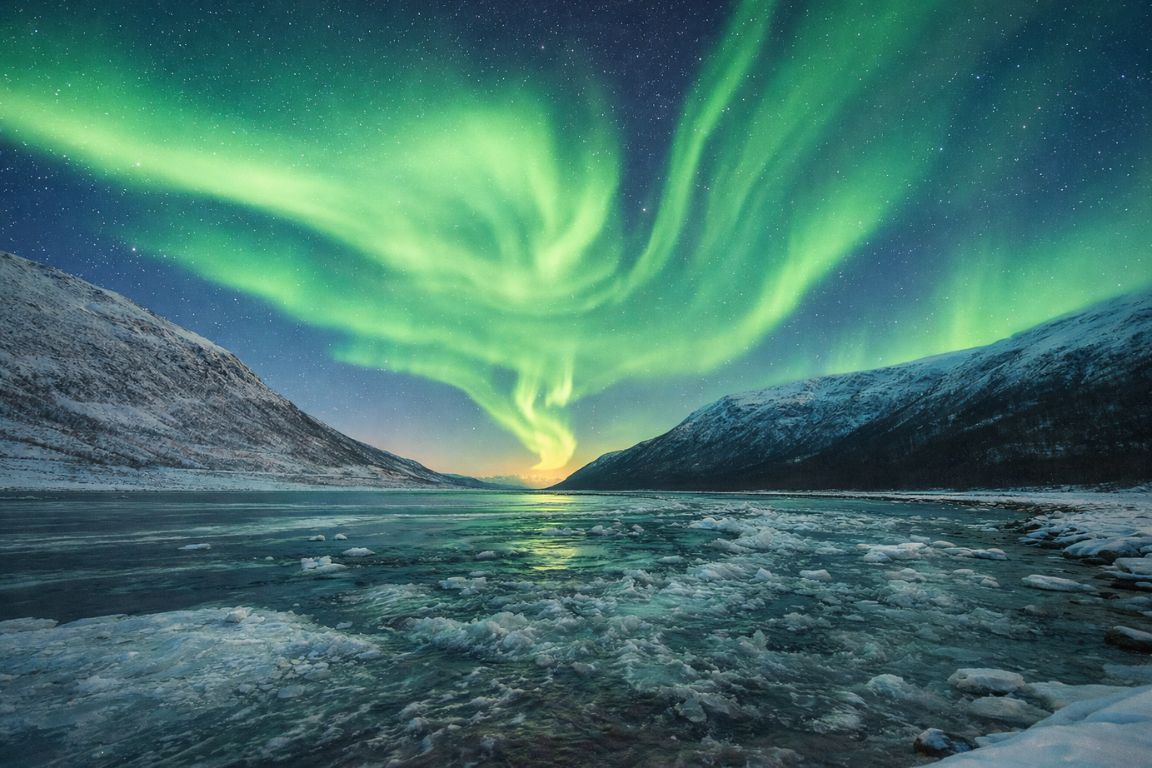
Winter October-March delivers the Northern Lights season with dark skies necessary for aurora viewing, plus winter activities like dog sledding, snowmobiling, and whale watching from November-January.
Summer May-August provides midnight sun phenomenon with 24-hour daylight, enabling hiking, fishing, wildlife viewing, and fjord exploration under endless golden light impossible during polar night.
The shoulder seasons April and September-October offer transitional experiences with some Northern Lights possibility but less reliable darkness, moderate temperatures, and significantly fewer tourists than peak winter.
For detailed month-by-month weather patterns, costs, and activity availability, see our comprehensive guide on the best time to visit Tromsø.
If the Sommarøy road trip fits your plans, check availability for your actual travel date before arranging other activities or onward transport. Check Sommarøy dates
Table: Winter vs Summer Tromsø Quick Comparison
| Main Phenomenon | Northern Lights | Midnight Sun | Transitional light |
| Temperature Range | -10°C to -4°C (14-25°F) | 8-15°C (46-59°F) | 0-10°C (32-50°F) |
| Daylight Hours | 0-6 hours (Nov-Jan polar night) | 24 hours (May-Jul) | 8-18 hours |
| Peak Activities | Northern Lights, dog sledding, whale watching | Hiking, fishing, midnight sun tours | Limited winter activities |
| Tourist Crowds | Very High (Dec-Feb) | High (Jun-Aug) | Low-Medium |
| Prices | Highest (Dec-Feb) | High (Jun-Aug) | 20-30% lower |
| Booking Timeline | 3-6 months ahead | 2-3 months ahead | 2-4 weeks ahead |
| Weather Reliability | Variable, snowy | More stable, less rain | Most unpredictable |
| Accommodation Costs | €120-200 | €100-180 | €80-140 |
Winter dominates Tromsø tourism with 60-70% of annual visitors chasing Northern Lights between November-February when darkness and activity combine for optimal aurora experiences.
Summer attracts nature enthusiasts, hikers, and photographers wanting midnight sun experiences and access to mountain trails buried under snow during winter months.
The choice between winter and summer depends entirely on whether you prioritize Northern Lights/winter activities or hiking/endless daylight, with both seasons offering completely different but equally spectacular Arctic experiences.
How Many Days Do You Need in Tromsø?
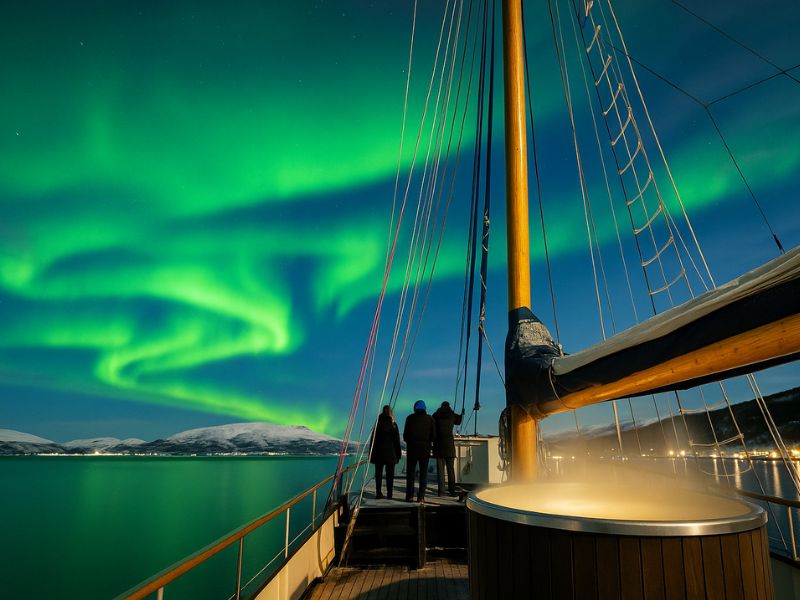
Three to four nights provide minimum viable time for Northern Lights success with 60-80% cumulative sighting probability across multiple evening attempts accounting for weather variability.
Five to seven days allow comprehensive winter experiences including multiple Northern Lights attempts, dog sledding, whale watching, fjord tours, and cultural activities without exhausting rushing.
Summer visits work well with 4-5 days covering midnight sun experiences, hiking excursions, fishing trips, and coastal exploration taking advantage of 24-hour daylight.
Determine how many days you should spend in Tromsø with our complete duration guide covering optimal trip lengths by season and interest.
Check your travel date before arranging other plans. The 5–8-hour aurora hunt includes a warm meal, thermal suit and web-size photos. Check Your Tromsø Aurora Date
Table: Recommended Days in Tromsø by Season and Interest
| 2-3 days | 1-2 Northern Lights attempts, 1 day activity | Midnight sun tour, 1-2 hikes | Bare minimum | Time-constrained visitors |
| 3-4 days | 2-3 Northern Lights chases, dog sledding | Multiple hikes, fjord cruise, fishing | Standard recommended | Most first-time visitors |
| 5-7 days | All winter activities, multiple aurora nights | Extensive hiking, whale watching, islands | Comprehensive experience | Dedicated Arctic travelers |
| 7-10 days | Deep winter immersion, day trips | Multi-day hikes, remote exploration | Complete Arctic experience | Adventure enthusiasts |
The three-night minimum for winter visits accounts for weather unpredictability, with cloudy skies potentially obscuring Northern Lights on 1-2 nights requiring multiple attempts.
Single-night Tromsø visits rarely make sense since you’ve traveled to the Arctic and may see clouds or miss the aurora entirely, wasting the journey’s investment.
Extended 7-10 day visits enable day trips to Senja Island, Lyngen Alps skiing, or remote coastal villages accessing experiences beyond Tromsø’s immediate surroundings.
Summer’s 24-hour daylight theoretically allows more activities daily, though human energy limits mean 2-3 activities remain the practical maximum regardless of available light.
Budget an extra day beyond your planned activities for weather flexibility, illness recovery, or simply wandering Tromsø’s charming Arctic streets without rigid schedules.
What Are the Best Months to Visit Tromsø?
November through February delivers peak Northern Lights season with maximum darkness (polar night November-January), highest aurora activity, and full availability of winter activities.
December-January offers the magical polar night period with perpetual twilight creating surreal blue-hour photography conditions, though temperatures drop to -10°C to -15°C (5-15°F).
June-July provides peak midnight sun with the sun never setting, warmest temperatures (10-15°C/50-59°F), and access to all hiking trails free from snow and ice.
Which are the best months to see the Northern Lights in Tromsø? Our seasonal breakdown compares November through February with success rates, darkness hours, and weather stability.
Check your travel date before arranging other plans. The 5–8-hour aurora hunt includes a warm meal, thermal suit and web-size photos. Check Your Tromsø Aurora Date
Table: Tromsø Month-by-Month Conditions 2026-2027
| January | -4°C (25°F) | 0-2 hrs (polar night) | Polar night, aurora peak | Northern Lights, dog sledding | Very High | Highest | Excellent (80%) | Variable, snowy |
| February | -4°C (25°F) | 6 hours | Sun returns, aurora strong | Northern Lights, skiing | Very High | Highest | Very Good (75%) | Improving |
| March | -2°C (28°F) | 12 hours | Extended twilight | Northern Lights, spring skiing | High | High | Good (60%) | Variable |
| April | 2°C (36°F) | 18 hours | Spring transition | Late skiing, aurora fade | Medium | Medium | Fair (30%) | Unpredictable |
| May | 6°C (43°F) | 24 hours (midnight sun begins) | Midnight sun starts | Hiking begins, fishing | Medium | Medium | None (too light) | Improving |
| June | 10°C (50°F) | 24 hours | Full midnight sun | Hiking, fishing, fjords | High | High | None | Good, driest |
| July | 13°C (55°F) | 24 hours | Peak midnight sun | Hiking, wildlife, islands | High | High | None | Best, warmest |
| August | 11°C (52°F) | 18 hours | Midnight sun ends | Hiking, fishing, autumn colors | Medium-High | Medium-High | None | Good |
| September | 7°C (45°F) | 12 hours | Aurora returns | Early aurora, autumn hikes | Low | Medium | Fair (40%) | Variable |
| October | 2°C (36°F) | 6 hours | Aurora season begins | Northern Lights, early snow | Medium | Medium | Good (55%) | Deteriorating |
| November | -2°C (28°F) | 0-2 hrs (polar night begins) | Polar night starts | Northern Lights, winter starts | High | High | Very Good (70%) | Snowy |
| December | -4°C (25°F) | 0 hrs (polar night) | Full polar night, Christmas | Northern Lights, winter activities | Very High | Highest | Excellent (75%) | Dark, snowy |
January and December compete for best Northern Lights viewing with maximum darkness and high solar activity, though December adds Christmas market atmosphere and festive charm.
July stands out as the optimal summer month with warmest temperatures, driest weather, and peak midnight sun when the sun circles the horizon creating endless golden-hour photography.
March and September represent shoulder seasons offering moderate crowds, lower prices, and some possibility of both Northern Lights and decent daylight, though neither phenomenon peaks.
The absolute worst time is April when aurora season ends, snow still blocks hiking trails, darkness insufficient for proper Northern Lights, and weather remains unpredictable.
Choose a departure that fits your dates; natural conditions remain uncertain. The 5–8-hour aurora hunt includes a warm meal, thermal suit and web-size photos. Explore Aurora Hunt With Meal And Photos
What Is Polar Night and Midnight Sun?
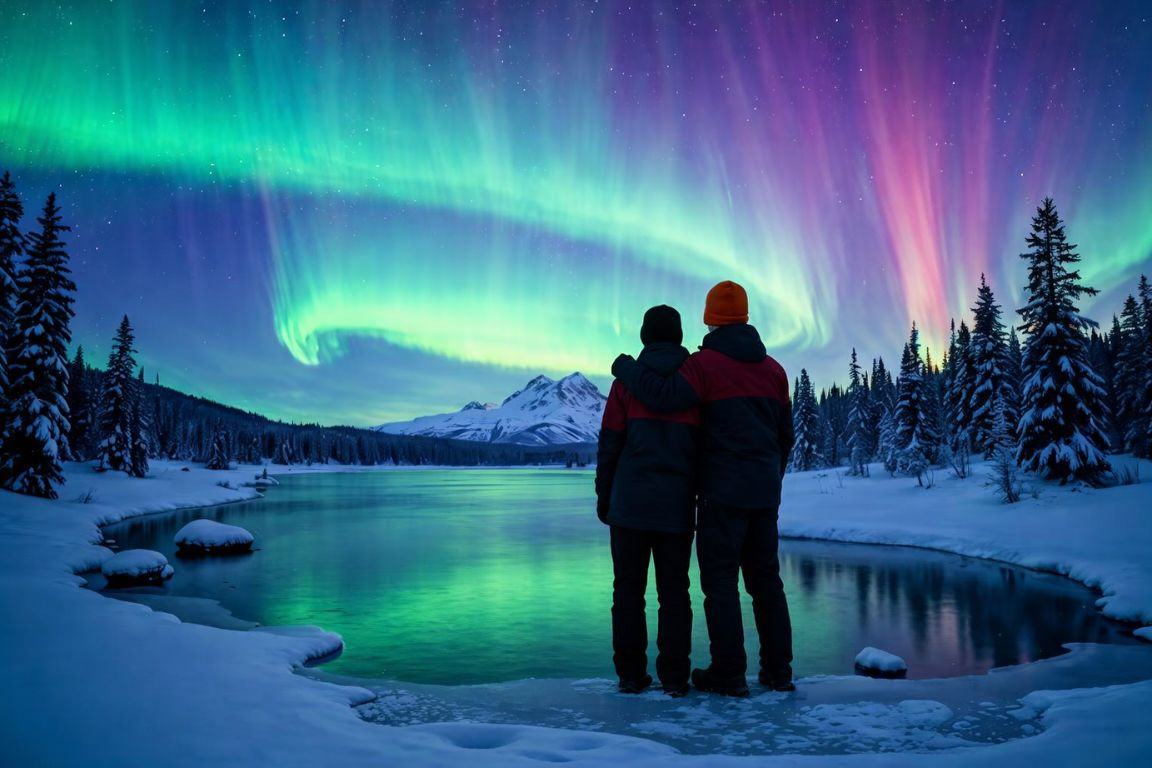
Polar night occurs November through mid-January when the sun never rises above the horizon at Tromsø’s 69°N latitude, creating perpetual twilight and darkness essential for Northern Lights viewing.
Midnight sun spans late May through mid-July when the sun never sets, circling the sky 24 hours daily and enabling continuous outdoor activities at any hour.
The phenomena result from Earth’s axial tilt causing extreme seasonal light variation at Arctic latitudes, with Tromsø experiencing both extremes annually.
Check your travel date before arranging other plans. The Sommarøy road trip includes a salmon picnic and professional photos. Check Your Sommarøy Tour Date
Table: Light Conditions Throughout the Year in Tromsø
| Polar Night | Nov 21 – Jan 21 | Never rises | 0-3 hrs twilight | Deep blue twilight, dark | Northern Lights viewing | Vitamin D deficiency, darkness adjustment |
| Winter Dark | Oct 15 – Nov 20, Jan 22 – Feb 15 | Rises briefly | 3-6 hours | Short daylight | Northern Lights + some day activities | Limited activity time |
| Spring Light | Feb 16 – Apr 30 | Rapid increase | 6-18 hours | Growing daylight | Transition activities | Aurora ends, snow remains |
| Midnight Sun | May 20 – Jul 22 | Never sets | 24 hours | Continuous sunlight | Endless activities, no sleep needed | Sleep disruption, no darkness |
| Summer Bright | Apr 15 – May 19, Jul 23 – Aug 25 | Very long days | 18-24 hours | Extensive twilight | Extended activities | Still bright at “night” |
| Autumn Fade | Aug 26 – Oct 14 | Rapid decrease | 12-18 hours | Shortening days | Aurora returns | Transitional, unpredictable |
Polar night doesn’t mean complete darkness 24/7, with several hours of deep blue twilight around midday providing enough light for walking and some photography.
Midnight sun enables hiking at 2am or fishing at midnight, with many visitors struggling to sleep despite blackout curtains as bodies resist resting during daylight.
The dramatic light transitions affect mood, sleep patterns, and daily rhythms, with many first-time visitors underestimating how extreme 24-hour darkness or daylight feels psychologically.
Tromsø residents cope through vitamin D supplements (winter), blackout curtains (summer), and embracing the unique light conditions as defining Arctic experiences rather than problems.
Winter visitors should embrace polar night rather than mourning lack of sun, as the darkness creates the Northern Lights opportunities and magical blue-hour conditions that define Arctic winter.
How Much Does a Tromsø Visit Cost?
Budget travelers spend €80-150 daily staying hostels (€30-50), cooking most meals (€20-30), using public transport, and mixing free activities with one paid tour every 2-3 days.
Mid-range visitors invest €150-250 daily including mid-level hotels (€100-150), restaurant meals (€40-60), taxi usage, and 1-2 paid activities daily covering tours and experiences.
Luxury travelers budget €300-500+ daily with premium hotels (€200-350), fine dining (€80-120), private tours (€500-800), and helicopter excursions or exclusive experiences.
For exact price breakdowns of accommodation, meals, activities, and transport, see our comprehensive guide on Tromsø’s costs with budget comparison by spending level.
Check your travel date before arranging other plans. The 5–8-hour aurora hunt includes a warm meal, thermal suit and web-size photos. Check Your Tromsø Aurora Date
Table: Complete Daily Budget Breakdown Tromsø
| Accommodation | €30-50 hostel dorm | €100-150 hotel | €200-350 premium | Per person, winter higher |
| Breakfast | €5-8 self-catered | €12-20 hotel/cafe | €25-40 hotel buffet | Many hotels include breakfast |
| Lunch | €8-15 bakery/self | €18-30 casual restaurant | €35-50 nice restaurant | Expensive in Norway |
| Dinner | €12-20 self/cheap | €30-50 restaurant | €60-100 fine dining | Alcohol adds €8-15 per drink |
| Local Transport | €0-5 walking/bus | €10-25 taxis/bus | €40-80 taxis/private | City compact, walkable |
| One Major Activity | €0-50 free/cheap | €100-150 tour | €200-400 private/heli | Northern Lights, dog sledding |
| Snacks/Coffee | €5-10 | €10-15 | €15-25 | Coffee €4-6, snacks €3-8 |
| Extras/Tips | €5-10 | €15-25 | €30-50 | Photos, souvenirs, tips |
| TOTAL PER DAY | €80-150 | €150-250 | €300-500+ | Per person |
Norway ranks among Europe’s most expensive countries with Tromsø specifically costing 30-50% more than Oslo due to Arctic location and limited supply chains.
A simple lunch costs €18-30 at casual restaurants, with €12-15 being minimum for basic cafe meals versus €8-12 in most European cities.
Activity costs dominate budgets with Northern Lights tours (€90-150), dog sledding (€150-250), and whale watching (€120-180) adding up quickly across multi-day visits.
Alcohol is prohibitively expensive with beer €8-12, wine €10-15 per glass, making pre-drinking at accommodation common practice among budget and mid-range travelers.
Grocery shopping at Rema 1000 or Kiwi supermarkets reduces food costs to €20-30 daily for self-catering versus €60-80 eating all restaurant meals.
Multi-day tour packages sometimes offer better value bundling accommodation + activities for €800-1,200 total versus booking separately at €1,000-1,500.
The €150-250 mid-range daily budget delivers quality Tromsø experiences with comfortable hotels, one major activity daily, and mix of restaurant and self-catered meals without extreme deprivation or luxury excess.
For expertly planned Tromsø itineraries with transparent pricing and local knowledge, visit Tromso Norway Tours where we create perfect Arctic adventures.
What Are the Must-Do Activities in Tromsø?
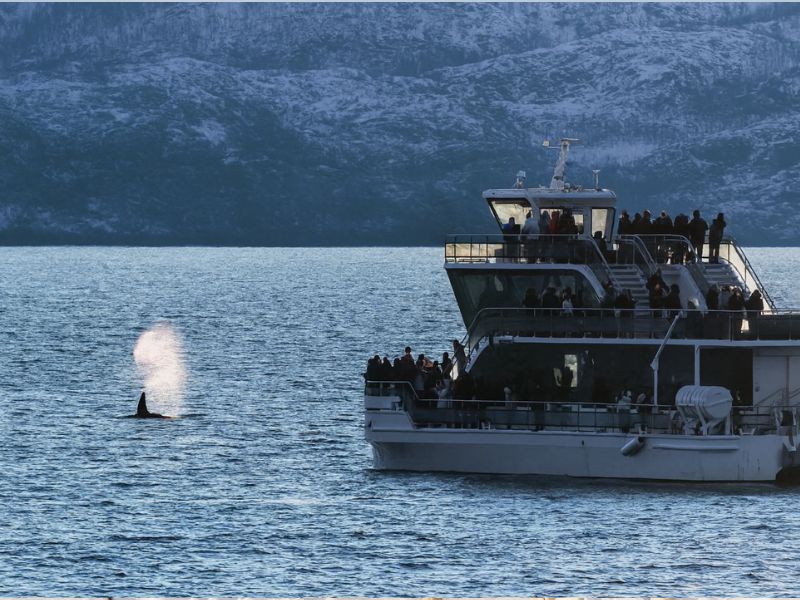
Northern Lights hunting via guided tours (€90-150, 6-8 hours) takes you beyond light pollution to dark locations with expert guides maximizing sighting chances and providing photography assistance.
Dog sledding through Arctic wilderness (€150-250, 2-4 hours) lets you drive your own team of huskies across snowy landscapes, experiencing traditional Sami transportation methods.
Whale watching November-January (€120-180, 6-8 hours) brings you to feeding grounds where orcas and humpback whales hunt herring in fjords near Tromsø.
Free planning tips only get you so far. Here’s how the real, bookable ways to cover Tromsø’s top activities compare, priority by priority.
Table: Top 10 Tromsø Activities by Season
| Northern Lights Chase | Oct-Mar | €90-150 | 6-8 hrs | Easy | 1-2 weeks | Ultimate Arctic experience |
| Dog Sledding | Nov-Apr | €150-250 | 2-4 hrs | Moderate | 2-4 weeks | Traditional Arctic transport |
| Whale Watching | Nov-Jan | €120-180 | 6-8 hrs | Easy | 1-3 weeks | Orcas and humpbacks |
| Midnight Sun Tour | May-Jul | €80-120 | 4-6 hrs | Easy | 1-2 weeks | 24-hour daylight phenomenon |
| Fjord Cruise | May-Sep | €80-150 | 3-7 hrs | Easy | 1-2 weeks | Stunning coastal scenery |
| Sami Culture Experience | Year-round | €100-180 | 4-6 hrs | Easy | 1-2 weeks | Indigenous Arctic culture |
| Arctic Cathedral Visit | Year-round | €8-12 | 1 hr | Easy | Walk-in | Iconic modern architecture |
| Cable Car to Fjellheisen | Year-round | €30-35 | 2-3 hrs | Easy | Walk-in | 360° panoramic views |
| Snowmobile Safari | Dec-Apr | €180-280 | 3-5 hrs | Moderate | 1-2 weeks | Arctic exploration |
| Northern Lights Photography Workshop | Oct-Mar | €150-250 | 6-8 hrs | Moderate | 2-4 weeks | Learn proper aurora photography |
Northern Lights tours operate nightly during season with guides checking weather forecasts and driving 50-200km seeking clear skies and active aurora displays.
Dog sledding requires decent fitness for 2-4 hour experiences, with visitors steering their own sleds after brief instruction, creating genuine musher experiences.
Whale watching succeeds 90%+ during November-January peak when massive herring schools attract feeding whales to Tromsø’s fjords in predictable patterns.
Midnight sun tours between May-July take advantage of 24-hour daylight for late-evening mountain hikes, midnight boat trips, or 2am fishing adventures.
The Arctic Cathedral, Tromsø’s iconic triangular glass structure, offers midnight sun concerts in summer and serves as stunning foreground for Northern Lights photography in winter.
Cable car rides to Fjellheisen mountain (421m) provide panoramic views of Tromsø, surrounding islands, and mountains, operating year-round weather permitting.
Sami cultural experiences including reindeer feeding, traditional lavvu (tent) dinners, and joik singing teach indigenous Arctic culture and survival methods.
If the Lyngen ride is your winter anchor, check your actual travel date before arranging other plans around its seven-hour schedule. Check Lyngen snowmobile dates
Where Should You Stay in Tromsø?
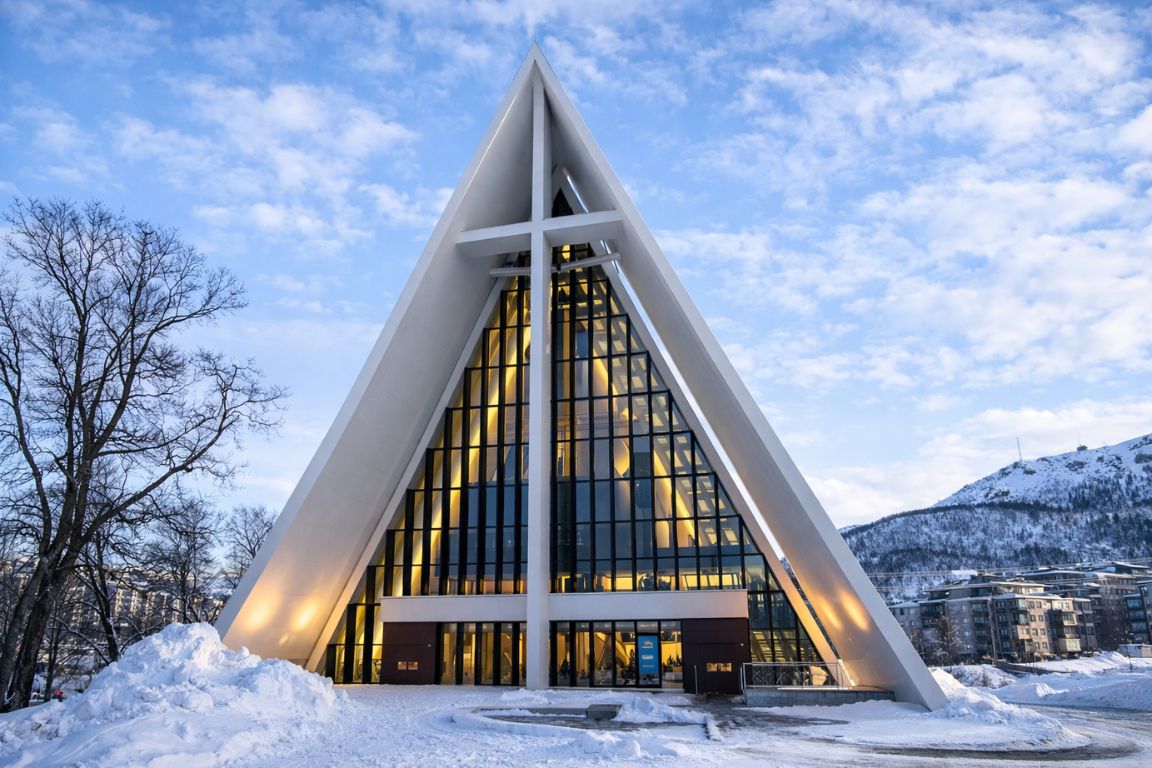
City center accommodation provides walking access to restaurants, shops, and the Arctic Cathedral, with most hotels in €100-180 range offering good bases for tours picking up from hotels.
Outskirts locations 5-15km from center offer darker skies for Northern Lights viewing from accommodation and often include aurora wake-up calls, trading walkability for darkness.
Tromsø Island (city center) versus mainland locations create the primary decision, with island being convenient for dining but mainland offering better Northern Lights opportunities.
Table: Tromsø Accommodation Areas Compared
| City Center (Tromsø Island) | 0-1 km | Walking to everything, dining, nightlife | Light pollution, higher prices | Convenience, dining | €120-200 | Unlikely (too bright) |
| South Tromsø Island | 1-3 km | Quieter, slightly darker, walking distance | Some walking uphill | Balance light/access | €100-160 | Possible (some areas) |
| Mainland Tromsdalen | 2-5 km | Darker, aurora visible, Arctic Cathedral | Need transport | Northern Lights priority | €80-150 | Yes (good chances) |
| Kvaløya Island | 10-20 km | Very dark, nature immersion, excellent aurora | Far from town, need car | Dedicated aurora hunters | €100-180 | Excellent |
| Budget Hostels | City center | Cheap, social, kitchens | Shared spaces | Budget travelers | €30-50 | No (city center) |
City center hotels like Clarion Collection Hotel With, Scandic Ishavshotel, and Radisson Blu Tromsø provide comfortable mid-range options (€140-200) with breakfast and central locations.
Mainland locations across Tromsø Bridge offer darkness advantages with accommodations like Tromsø Lodge & Camping (€60-120) providing Northern Lights viewing from rooms.
Hostels including Tromsø Activities Hostel (€30-50 dorms, €70-90 private) deliver budget options with kitchens and social atmospheres for meeting fellow travelers.
Wilderness lodges on Kvaløya or Lyngen offer premium experiences (€200-400) with direct Northern Lights viewing, though requiring rental cars and accepting isolation from town.
The accommodation strategy for Northern Lights hunters is staying outside town in darkness or accepting city center convenience while joining nightly tours seeking dark skies.
Booking 3-6 months ahead secures best winter availability during peak December-February when hotels fill completely, with 2-3 months sufficient for summer visits.
Before choosing accommodation, check where this outing meets and finishes. The 5–8-hour aurora hunt includes a warm meal, thermal suit and web-size photos. Explore Aurora Hunt With Meal And Photos
How Do You Get to and Around Tromsø?
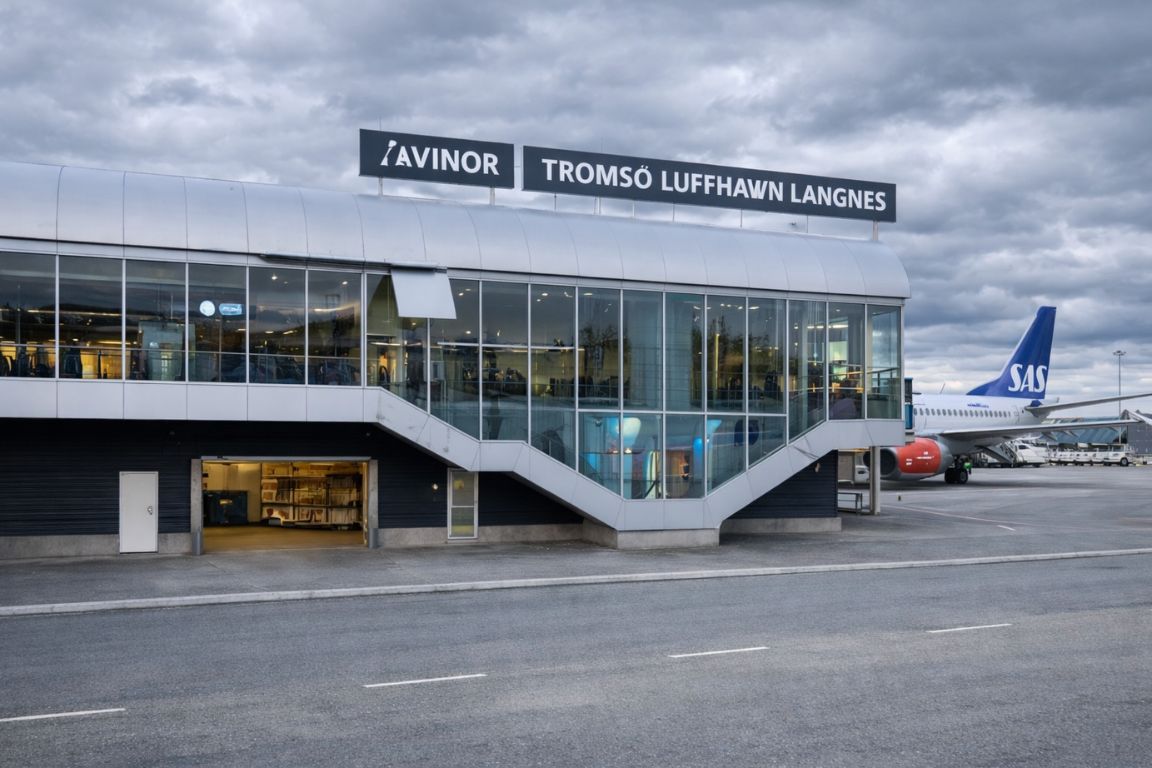
Fly to Tromsø Airport (TOS) with connections via Oslo (1h 50min, €100-250) on Norwegian, SAS, or Widerøe, or direct flights from select European cities during winter season.
Rental cars (€50-100 daily) provide maximum flexibility for Northern Lights chasing, whale watching locations, and exploring surrounding areas independently without tour group constraints.
Public buses run frequently around Tromsø Island and to mainland areas (€4-5 single, €12-15 day pass), providing affordable transport though limited evening service.
Check your date before arranging other plans. Explore a 4½–5-hour Sommarøy road trip with coach transport, a salmon picnic, coffee or tea and professional photos. Explore the Sommarøy road trip
Table: Transportation Options in Tromsø
| Rental Car | €50-100/day | Complete freedom, aurora chasing, remote access | Winter driving, parking, expensive | Self-drivers, small groups |
| Public Bus | €4-5 single, €12-15 day | Cheap, reliable city coverage | Limited hours, no remote areas | Budget travelers, day use |
| Taxi | €15-30 typical rides | Convenient, door-to-door | Expensive for groups | Occasional needs, airport |
| Walking | Free | Healthy, see city, flexible | Limited range, winter cold | City center area |
| Tour Transport | Included in tours | Included, no driving stress | Fixed schedules | Activity participants |
| Airport Bus | €12-15 | Cheap airport transfer | Fixed schedule | Budget airport transfer |
| Private Transfer | €80-120 | Comfortable, direct | Expensive unless group | Groups 4+, luggage |
Tromsø Airport sits just 5km from city center making taxis (€20-30) or airport buses (€12-15) quick affordable transfers versus rental car parking fees.
Winter driving requires experience with snow and ice, studded tires (mandatory November-April), and comfort driving in darkness navigating unfamiliar mountain roads.
Most Northern Lights and activity tours include hotel pickup/dropoff making rental cars unnecessary if you’re comfortable with structured tour schedules.
The city center remains very walkable with most attractions, restaurants, and shops within 1-2km radius easily covered on foot despite winter cold.
E6 highway connects Tromsø to mainland Norway though the 1,700km drive from Oslo takes 24+ hours making flights the only practical arrival method for most visitors.
Hurtigruten coastal ferry calls at Tromsø daily as part of the historic Norway coastal route, offering scenic alternative arrival/departure for multi-destination Norwegian journeys.
What Should You Pack for Tromsø?
Winter requires extreme cold weather gear including thermal base layers, insulated pants, down jacket rated -30°C, winter boots, wool socks, hat, gloves, and neck warmer for -10°C to -20°C conditions.
Summer packing includes light layers, rain jacket, comfortable hiking boots, sunglasses, and sunscreen, with temperatures 8-15°C (46-59°F) requiring flexibility between cool and mild conditions.
Northern Lights photography demands tripod, camera with manual controls, spare batteries (cold drains them), and memory cards, though smartphones now capture decent aurora photos.
For detailed season-specific packing lists with exact gear specifications and costs, see our complete packing guide for Tromsø covering winter and summer essentials.
Table: Essential Packing List by Season
| Thermal Base Layers | 2-3 sets | 1 set optional | Essential winter | Yes (expensive €40-80) |
| Insulated Jacket | Down -30°C rated | Light jacket | Essential winter | Yes (expensive €200-400) |
| Winter Boots | -30°C rated | Hiking boots | Essential winter | Yes (expensive €150-300) |
| Wool Socks | 4-5 pairs | 2-3 pairs | Very Important | Yes (€15-30/pair) |
| Waterproof Pants | Yes | Rain pants | Important | Yes (€80-150) |
| Hat + Gloves | Thick insulated | Light hat | Essential winter | Yes (€30-60) |
| Sunglasses | Yes (snow glare) | Yes (midnight sun) | Important both | Yes (€20-100) |
| Sunscreen SPF 50 | Yes (snow reflection) | Yes (24hr sun) | Important both | Yes (€12-20) |
| Camera + Tripod | For aurora | For midnight sun | Important photographers | Camera yes, tripod maybe |
| Power Bank | Essential (cold drains) | Recommended | Very Important | Yes (€30-60) |
Winter boots rated for -30°C (-22°F) are absolutely essential as temperatures regularly hit -10°C to -15°C (5-15°F) with windchill making it feel -20°C to -25°C (-5 to -15°F).
Layering system works better than single heavy coats, with thermal base layer + fleece mid-layer + waterproof shell allowing adjustment as activity level and temperature vary.
Tromsø’s outdoor shops including XXL, G-Sport, and Intersport sell quality winter gear though at premium Norwegian prices 50-100% higher than home countries.
Many tour operators provide thermal suits for activities like Northern Lights tours, dog sledding, and snowmobiling, reducing the gear you need to bring.
Sunscreen seems counterintuitive for winter Arctic but snow reflection creates intense UV exposure requiring SPF 50 especially during late February-March when sun returns.
Electronic devices including phones, cameras, and power banks drain rapidly in extreme cold, requiring spare batteries kept warm in inner pockets and frequent recharging.
What Are Common Mistakes Visitors Make in Tromsø?
Expecting guaranteed Northern Lights creates disappointment when clouds, low solar activity, or unfortunate timing prevent sightings despite best efforts and multiple attempts.
Underestimating cold by bringing inadequate winter gear results in miserable outdoor experiences, with -10°C to -15°C (5-15°F) feeling brutal without proper insulation.
Booking only 1-2 nights for Northern Lights hunting provides insufficient chances accounting for weather, leaving visitors disappointed after single cloudy evening.
Check your travel date before arranging other plans. The 5–8-hour aurora hunt includes a warm meal, thermal suit and web-size photos. Check Your Tromsø Aurora Date
Table: Common Tromsø Mistakes and Solutions
| Expecting guaranteed aurora | Weather and solar activity vary | Disappointment if no show | Book 3-4 nights, manage expectations |
| Inadequate winter clothing | -10°C to -20°C feels brutal | Miserable, cut activities short | Proper -30°C gear or tour-provided suits |
| Only 1-2 nights for aurora | Weather blocks 30-40% of nights | High chance of no sightings | Minimum 3 nights, ideally 4-5 |
| No trip insurance | Flights/tours cancel weather | Lost money on cancellations | Comprehensive travel insurance |
| Over-scheduling activities | Arctic travel is slow, tiring | Exhaustion, missed experiences | 1-2 activities daily maximum |
| Ignoring midnight sun sleep issues | 24hr light disrupts sleep | Exhaustion, mood impact | Blackout curtains, sleep mask, melatonin |
| Underestimating food costs | Norway extremely expensive | Budget blown quickly | Grocery shopping, self-catering |
| Booking summer for Northern Lights | No darkness May-August | Impossible to see aurora | Visit October-March only |
The Northern Lights remain a natural phenomenon subject to solar activity, weather, and luck, with even optimal conditions offering no guarantees of spectacular displays.
Winter visitors regularly underestimate how cold -15°C (5°F) feels when standing outdoors for hours during Northern Lights tours, with inadequate gear forcing them to return to buses.
Single-night Northern Lights attempts fail 30-40% of the time due to clouds, requiring 3+ night stays for 60-80% cumulative success probability.
Summer visitors sometimes arrive expecting Northern Lights unaware that 24-hour daylight makes aurora viewing impossible despite the phenomenon occurring overhead invisibly.
The midnight sun disrupts sleep cycles dramatically with many visitors struggling despite blackout curtains, requiring sleep masks and sometimes melatonin supplements.
Over-scheduling activities like attempting dog sledding, whale watching, and fjord cruise in one day creates exhaustion, with Arctic conditions and travel times demanding slower pacing.
FAQs
Check your travel date before arranging other plans. The 5–8-hour aurora hunt includes a warm meal, thermal suit and web-size photos. Check Your Tromsø Aurora Date
When is the best time to visit Tromsø for Northern Lights?
November through February offers peak Northern Lights viewing with maximum darkness (polar night November-January), highest aurora activity, and 60-80% sighting rates over 3-4 nights on a guided small-group aurora hunt.
Check the full outing length before filling the rest of your day. The minibus aurora chase includes warm suits, camera-setting help and high-resolution photos. Explore Small-Group Aurora Chase With HD Photos
How many days should I spend in Tromsø?
Plan minimum 3-4 nights for Northern Lights success (accounting for weather) or 4-5 days in summer for comprehensive experiences, with 5-7 days ideal for immersive Arctic exploration.
Check your travel date before arranging other plans. The 5–8-hour aurora hunt includes a warm meal, thermal suit and web-size photos. Check Your Tromsø Aurora Date
How much does a trip to Tromsø cost?
Budget €80-150 daily for hostels and self-catering, €150-250 mid-range with hotels and tours, or €300-500+ luxury with premium accommodation and private experiences.
Is Tromsø expensive?
Yes, Norway ranks among Europe’s most expensive countries with Tromsø specifically 30-50% higher than Oslo due to Arctic location, with restaurant meals €18-50 and activities €90-250.
Check your travel date before arranging other plans. The 5–8-hour aurora hunt includes a warm meal, thermal suit and web-size photos. Check Your Tromsø Aurora Date
What is polar night in Tromsø?
Polar night (November 21 – January 21) means the sun never rises above the horizon, creating perpetual twilight and darkness essential for Northern Lights viewing at 69°N latitude.
Discover what fits this part of your trip. The 5–8-hour aurora hunt includes a warm meal, thermal suit and web-size photos. Explore Aurora Hunt With Meal And Photos
Can you see Northern Lights in summer in Tromsø?
No, the midnight sun (May-July) with 24-hour daylight makes Northern Lights viewing impossible despite aurora occurring overhead invisibly, requiring October-March visits for darkness.
Check your date before arranging other plans. Instead of an aurora outing, discover Sommarøy’s coastal scenery on a coach-based road trip with a salmon picnic and professional photos. Explore the Sommarøy road trip
How to Plan Your Perfect Tromsø Visit
Decide between winter (Northern Lights, dog sledding) or summer (midnight sun, hiking) based on whether you prioritize aurora experiences or endless daylight outdoor adventures.
Book flights to Tromsø Airport (TOS) 3-6 months ahead for winter peak season (December-February) securing better prices and availability, 2-3 months for summer.
Reserve accommodation 3-6 months ahead for winter, choosing between city center convenience or outskirts darkness for Northern Lights viewing from rooms.
Plan minimum 3-4 nights for Northern Lights success accounting for weather variability, or 4-5 days summer exploration taking advantage of 24-hour daylight.
Book major activities 2-4 weeks ahead including Northern Lights tours, dog sledding, and whale watching, though some availability exists for last-minute bookings.
Budget €150-250 daily mid-range covering hotels (€100-150), activities (€100-150), and meals (€40-60), adding 30-40% for peak winter season premiums.
Pack extreme cold weather gear for winter (-30°C rated boots, down jacket, thermals) or light layers for summer (8-15°C), with proper preparation preventing miserable experiences.
Manage Northern Lights expectations understanding that weather, solar activity, and luck all factor into sightings, with 3-4 nights providing 60-80% success probability.
For expertly planned Tromsø adventures with local knowledge and transparent pricing, visit Tromso Norway Tours where we create perfect Arctic experiences.
Glossary
- Northern Lights (Aurora Borealis): Natural light display caused by solar particles colliding with Earth’s atmosphere, visible in Tromsø October-March during darkness.
- Polar Night: November 21 – January 21 period when sun never rises above horizon at Tromsø’s 69°N latitude, creating perpetual twilight.
- Midnight Sun: May 20 – July 22 period when sun never sets, circling sky 24 hours daily enabling continuous activities.
- KP Index: Scale 0-9 measuring geomagnetic activity predicting Northern Lights strength, with KP 3+ visible in Tromsø during clear dark conditions.
- Sami: Indigenous Arctic people of northern Scandinavia with distinct culture, reindeer herding traditions, and unique joik singing style.
Check your travel date before arranging other plans. The four-hour reindeer visit includes transfers, Sámi storytelling and lunch. Check Tromsø Reindeer Sledding Dates
Key Takeaways
- Tromsø offers two distinct seasons: winter October-March for Northern Lights and Arctic activities, summer May-August for midnight sun and hiking.
- Northern Lights season peaks November-February with 60-80% cumulative sighting probability over 3-4 nights. Budget €150-250 daily mid-range covering accommodation (€100-150), activities (€100-150), meals (€40-60). Book 3-6 months ahead for winter peak December-February, 2-3 months summer. Plan minimum 3-4 nights Northern Lights success or 4-5 days summer exploration.
- Fly to Tromsø Airport (TOS) via Oslo (1h 50min) or direct European connections.
- Winter temperatures -4°C to -10°C (15-25°F), summer 8-15°C (46-59°F). Essential winter gear includes thermal layers, -30°C rated boots, down jacket.
- Main activities: Northern Lights tours (€90-150), dog sledding (€150-250), whale watching November-January (€120-180), midnight sun tours (€80-120).
- Polar night November-January means no sun, midnight sun May-July means 24hr daylight. December-February busiest period with highest prices. June-July best summer with warmest temperatures and driest weather.
- Norway extremely expensive with meals €18-50, activities €90-250. Three-four nights minimum for Northern Lights accounting for weather variability.
- City center accommodation provides convenience, outskirts offer darker skies for aurora viewing. Rental cars (€50-100 daily) enable flexibility though public transport adequate for city-based visitors.
- Major mistakes include expecting guaranteed Northern Lights, inadequate winter clothing, booking only 1-2 nights, underestimating costs. Summer visitors cannot see Northern Lights due to 24-hour daylight May-August. Plan complete Tromsø adventures at /.
Written by Erik Johansen, Tromsø tour guide for the past 15 years, specializing in Northern Lights expeditions and Arctic adventure planning.
Check Your Tour Date
Planning an aurora evening? Check your Tromsø date before arranging dinner or other plans; this guided hunt includes a warm meal, thermal suit and web-size souvenir photos.
Adjust activity, timing or group needs
General recommendations: confirm dates and group requirements
Choose the season, leave a weather buffer and plan a free walking loop through central Tromsø before adding tours. Use public transport for city-based days, compare self-catering with dining out, and keep at least one flexible period for museums, viewpoints or independent exploration.
Compare Your Group’s Real Costs
Use current quotes in the same currency. Include transport, fuel, parking and equipment in your DIY total. Include all participants and extras in the tour total.
Booking takes place with the provider. Prices, exact departures and available options are shown there. We may earn a commission when you book through these links.