Tromsø Travel Checklist: Complete Packing Guide
Tromsø packing guide: Winter needs -30°C boots, thermal layers, down jacket for -20°C. Summer: rain jacket, hiking boots. Camera gear, luggage tips. 2026-2027.
Last updated: August 31, 2026
TL;DR
Tromsø winter packing requires extreme cold weather gear including thermal base layers (2-3 sets), insulated down jacket rated -30°C, winter boots rated -30°C with good traction, wool socks (4-5 pairs), insulated waterproof pants, thick hat, insulated gloves, neck warmer, and hand/toe warmers for -10°C to -20°C (-5°F to -15°F) conditions. Summer needs light layers (8-15°C/46-59°F), rain jacket, hiking boots, warm fleece, and sun protection. Northern Lights photography demands DSLR/mirrorless camera with manual controls, wide-angle lens f/2.8, sturdy tripod, spare batteries (cold drains them rapidly), memory cards, headlamp with red filter. Essential year-round items include sunglasses (snow glare winter, midnight sun summer), sunscreen SPF 50, reusable water bottle, power bank, travel adapter (Type C/F European plugs, 230V), prescription medications. Many tour operators provide thermal suits for activities reducing gear needed. Buy forgotten items locally at XXL, Intersport, G-Sport though expect 50-100% higher prices than home countries. Total winter luggage should be 50-60 lbs checked bag plus carry-on. Skip jeans (freeze when wet), cotton (stays wet), excessive toiletries (buy locally). One carry-on plus personal item works for summer. Winter boots are absolute essential – frostbite risk is real with inadequate footwear in -15°C conditions.
5–8 hours for aurora hunt with meal and photos. Book The Aurora Hunt
Check the supplied gear before buying or packing extra equipment. The four-hour husky outing includes kennel transfers, an Arctic suit and winter boots. Explore Self-Drive Husky Adventure On Kvaløya
What Are the Essential Winter Packing Items for Tromsø?
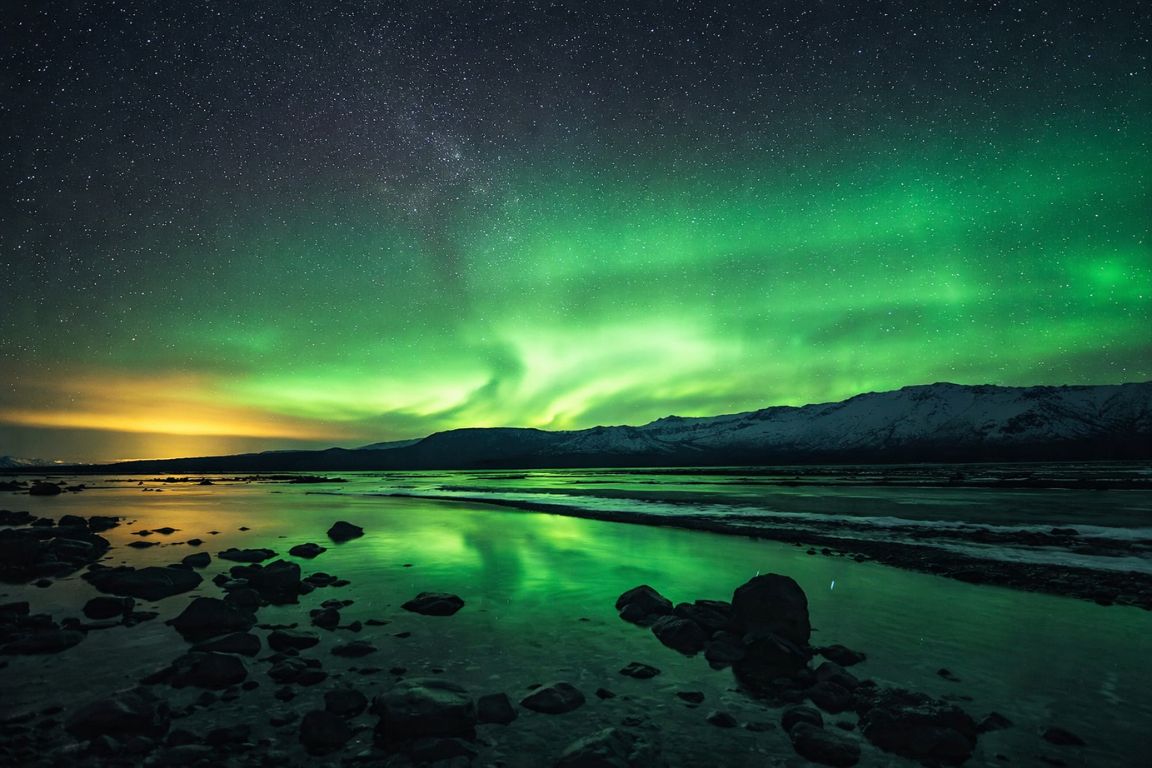
Winter boots rated for -30°C (-22°F) with excellent traction represent the single most critical item preventing frostbite during extended outdoor Northern Lights viewing sessions in -10°C to -20°C conditions.
Thermal base layers in merino wool or synthetic fabrics provide the foundation for layering systems, requiring 2-3 complete sets (top and bottom) for multi-day trips accounting for washing and drying time.
Down jacket or synthetic insulated parka rated for -30°C offers essential warmth during stationary outdoor activities like Northern Lights viewing when you’re not generating body heat through movement.
Insulated waterproof pants protect legs from cold and wet snow during activities, with many visitors underestimating how cold -15°C (-5°F) feels on exposed legs during extended outdoor time.
Table: Essential Winter Packing List Tromsø
| Item | Priority | Quantity | Why Essential | Local Cost | Can Buy/Rent Locally? | Weight | What Happens Without |
|---|---|---|---|---|---|---|---|
| Winter Boots -30°C | Critical | 1 pair | Prevent frostbite, traction on ice | €150-300 | Yes (expensive) | 3-5 lbs | Frostbite risk, dangerous |
| Thermal Base Layers | Critical | 2-3 sets | Foundation warmth, moisture wicking | €40-80 set | Yes (expensive) | 1-2 lbs | Inadequate warmth |
| Down Jacket -30°C | Critical | 1 | Core body warmth stationary | €200-400 | Yes (expensive) | 2-3 lbs | Hypothermia risk |
| Insulated Pants | Essential | 1-2 | Leg protection, wind/snow | €80-150 | Yes | 1-2 lbs | Cold legs, discomfort |
| Wool Socks Thick | Essential | 4-5 pairs | Foot warmth, insulation | €15-30/pair | Yes | 1 lb | Cold feet quickly |
| Insulated Gloves | Essential | 1 pair + mittens | Hand protection, dexterity | €40-80 | Yes | 0.5 lb | Frostbite within minutes |
| Warm Hat Thick | Essential | 1-2 | Head heat retention (40% loss) | €30-60 | Yes | 0.3 lb | Massive heat loss |
| Neck Warmer/Balaclava | Very Important | 1-2 | Face/neck protection wind | €20-40 | Yes | 0.2 lb | Exposed skin frostbite |
| Hand Warmers Disposable | Important | 10-20 | Emergency warmth, camera batteries | €1-2 each | Yes (cheap) | 0.5 lb | Cold hands, dead batteries |
| Toe Warmers | Important | 10-15 | Foot warmth backup | €1-2 each | Yes (cheap) | 0.3 lb | Cold feet backup |
| Thermal Underwear Extra | Recommended | 1 set | Backup/layers | €30-60 | Yes | 0.5 lb | Manageable without |
| Fleece Mid-Layer | Recommended | 1 | Insulation layer | €40-80 | Yes | 1 lb | Less flexible layering |
Winter boots must be specifically rated for -30°C with insulation like Thinsulate, waterproof construction, and aggressive tread for ice/snow traction, not just “winter boots” from temperate climates.
The layering system works better than single heavy coats, with base layer + fleece + down jacket allowing adjustment as activity level and temperature vary throughout the day.
Wool socks in merino or thick winter varieties provide essential foot insulation with 4-5 pairs accounting for daily changes and potential wet conditions requiring backup pairs.
Gloves need careful selection with insulated waterproof gloves for general use plus mittens for extreme cold, since mittens provide more warmth than gloves by keeping fingers together.
Hand and toe warmers serve dual purposes providing emergency warmth during extended cold exposure and keeping camera batteries warm preventing rapid drain in freezing temperatures.
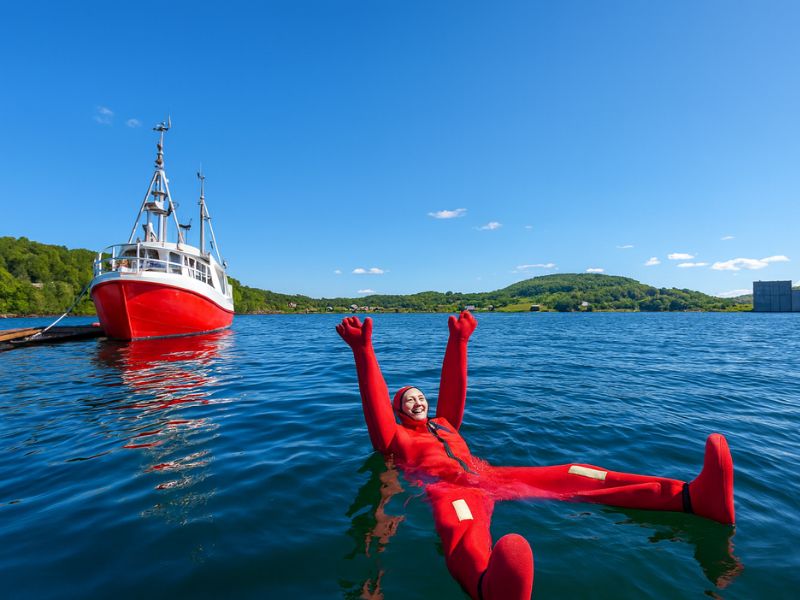
Many tour operators provide thermal suits for specific activities like Northern Lights tours or snowmobiling, reducing the gear you must pack from home.
The mistake is bringing “warm” clothing from temperate climates that proves woefully inadequate for Arctic winter, with -15°C (-5°F) feeling brutal without proper extreme cold gear.
Neck warmers or balaclavas protect exposed facial skin where frostbite develops quickly in -15°C to -20°C conditions combined with wind, making them essential not optional.
What Camera Gear Do You Need for Northern Lights Photography?
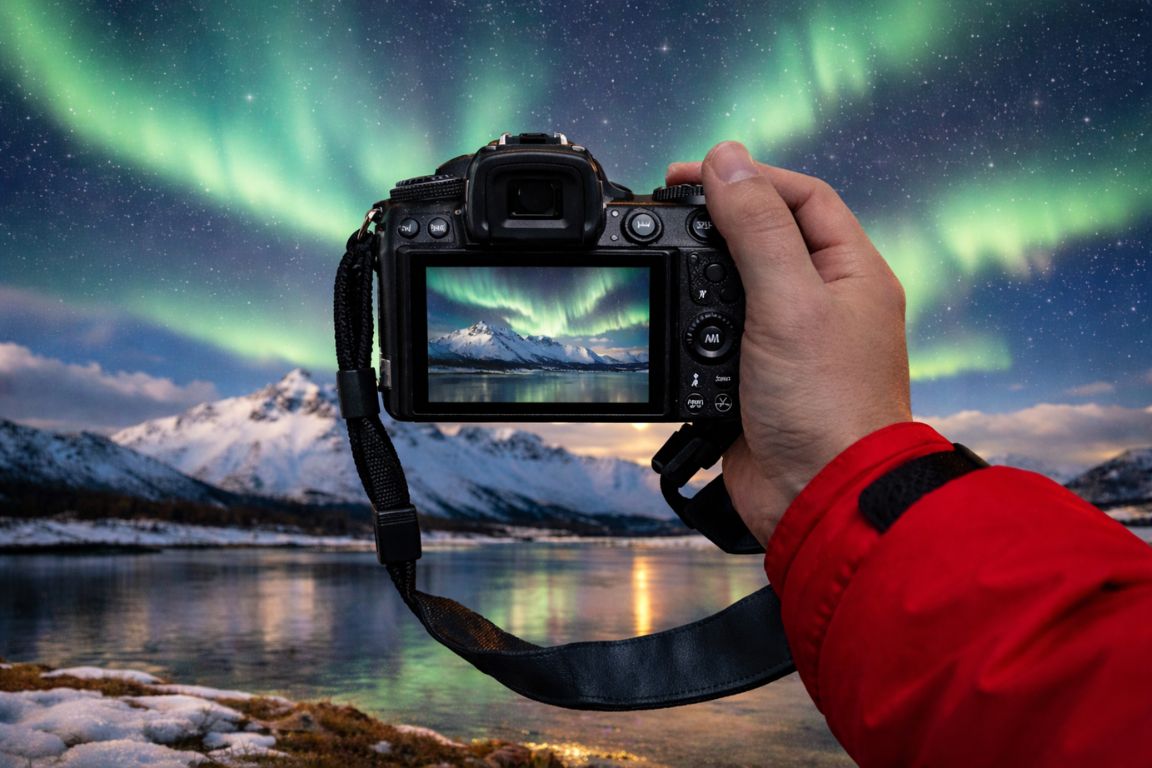
DSLR or mirrorless camera with full manual controls enables adjusting shutter speed, aperture, and ISO settings essential for capturing Northern Lights that automatic modes cannot handle.
Wide-angle lens 14-24mm or 16-35mm with maximum aperture f/2.8 or wider captures expansive aurora displays across the sky while gathering sufficient light during long exposures.
Sturdy tripod holds camera absolutely steady during 10-25 second exposures, with cheap flimsy tripods causing blur from wind vibration ruining aurora photos after hours of cold waiting.
Spare camera batteries (2-3 minimum) are critical since cold drains batteries to 30-50% capacity, with cameras dying after 30-60 minutes in -15°C without spares rotated from warm pockets.
Don’t waste time searching for dark skies—our guide to the best photo spots for Northern Lights around Tromsø maps proven locations with driving directions, parking details, and optimal camera settings.
Table: Northern Lights Photography Equipment Complete
| Equipment | Essential? | Cost New | Why You Need It | Alternative | Weight | Can Rent Locally? | Storage Issues |
|---|---|---|---|---|---|---|---|
| DSLR/Mirrorless Body | Essential | €800-2500+ | Manual controls required | Recent smartphone (limited) | 1-2 lbs | Yes (€40-80/day) | Carry-on only |
| Wide-Angle Lens f/2.8 | Essential | €400-1500+ | Capture wide aurora, gather light | Kit lens f/3.5-5.6 (worse) | 1-2 lbs | Yes (€30-60/day) | Carry-on only |
| Sturdy Tripod | Essential | €50-300 | Steady 10-25 sec exposures | Cheap tripod (risky blur) | 3-5 lbs | Yes (€15-30/day) | Can check |
| Spare Batteries 2-3x | Critical | €40-80 each | Cold drains batteries 50-70% | Hand warmers on battery (helps some) | 0.3 lb each | Rarely | Carry-on only |
| Fast Memory Cards | Very Important | €30-80 | Store large RAW files quickly | Slower cards (buffer risk) | 0.1 lb | Not advisable | Carry-on only |
| Remote Shutter Release | Important | €15-50 | Eliminate camera shake | 2-10 sec timer (works okay) | 0.1 lb | Rarely | Any bag |
| Headlamp Red Filter | Important | €20-50 | See without ruining night vision | Phone light (ruins vision) | 0.3 lb | Not really | Any bag |
| Lens Cleaning Cloth | Recommended | €5-15 | Remove snow/condensation | Shirt sleeve (risky) | 0.1 lb | Buy locally cheap | Any bag |
| Camera Rain/Snow Cover | Recommended | €20-50 | Protect from precipitation | Plastic bag (okay) | 0.2 lb | Buy locally | Any bag |
| Intervalometer | Optional | €30-80 | Time-lapse sequences | Not needed for stills | 0.2 lb | Rarely | Any bag |
Modern smartphones including iPhone 14/15 Pro or Samsung Galaxy S23/S24 capture acceptable Northern Lights photos using night mode, though lacking quality and control of dedicated cameras.
The total camera equipment investment for serious Northern Lights photography reaches €1,500-3,000+ when buying body, lens, tripod, and accessories new, justifying rentals for one-time visitors.
Rental equipment from Tromsø photography shops provides option for travelers wanting DSLR quality without ownership investment, though multi-day rentals approach purchase costs.
Cold weather photography requires keeping spare batteries in inner jacket pockets using body heat, swapping them every 30-45 minutes as working battery drains rapidly.
Memory cards must be fast enough to handle large RAW files from full-frame cameras, with cheap slow cards causing buffer delays missing fleeting aurora moments.
Lens fogging and condensation occur when bringing cold cameras into warm cars or buildings, requiring 20-30 minute temperature adjustment periods or protective covers preventing moisture.
The photography learning curve is steep with first-time aurora photographers frustrated by blurry images, wrong settings, and poor compositions despite spectacular displays overhead.
Remote shutter releases eliminate camera shake from pressing the button, though camera’s built-in 2-10 second timer provides free alternative working nearly as well.
Red-filtered headlamps preserve night vision allowing you to see camera settings and composition without bright white light ruining dark-adapted eyes for 20-30 minutes.
Tour operators often provide basic photography assistance with camera settings recommendations, though dedicated photography workshops (€150-250) teach comprehensive aurora capture techniques.
What Clothing Layering System Works Best for Tromsø Winter?
Base layer of thermal underwear (top and bottom) in merino wool or synthetic fabrics sits against skin wicking moisture while providing first insulation level.
Mid layer fleece or wool sweater adds insulation and warmth, easily removed when entering heated spaces or during higher-activity periods generating body heat.
Outer shell of waterproof breathable jacket and pants protects from wind, snow, and moisture while allowing perspiration to escape preventing dangerous wet cold.
The three-layer system provides maximum flexibility adjusting warmth by adding or removing layers based on activity level, temperature, and wind conditions throughout the day.
Check your travel date before arranging other plans. The four-hour husky outing includes kennel transfers, an Arctic suit and winter boots. Check Kvaløya Husky Dates
Table: Complete Layering System Breakdown
| Layer | Purpose | Materials | What to Pack | Cost Range | Weight | When to Add/Remove |
|---|---|---|---|---|---|---|
| Base Layer | Moisture wicking, first insulation | Merino wool, synthetic | 2-3 sets top/bottom | €30-80 set | 0.5-1 lb set | Always wear |
| Mid Layer Light | Moderate insulation | Fleece, light down | 1-2 pieces | €40-100 | 0.5-1 lb | Moderate cold, indoors |
| Mid Layer Heavy | Significant insulation | Thick fleece, down vest | 1 piece | €60-150 | 1-2 lbs | Cold stationary, outdoors |
| Outer Shell Top | Wind/water protection | Gore-Tex, waterproof breathable | 1 jacket | €150-400 | 1-2 lbs | Outdoor activities always |
| Outer Shell Bottom | Wind/water protection legs | Waterproof pants | 1-2 pairs | €80-200 | 1-2 lbs | Extended outdoor, snow |
| Insulated Parka | Maximum warmth stationary | Down or synthetic -30°C | 1 coat | €200-500 | 2-3 lbs | Northern Lights viewing, low activity |
The base layer must wick moisture away from skin since sweating in extreme cold creates dangerous chilling when activity stops, making cotton absolutely unsuitable.
Merino wool base layers cost more (€60-80 per set) than synthetics (€30-50) but handle odor better allowing 2-3 wears between washing versus synthetics needing daily changes.
Mid layers provide adjustable warmth with light fleece for mild cold or indoor spaces, thick fleece or down vest for serious outdoor exposure in -10°C to -15°C.
The outer shell jacket should be waterproof breathable (Gore-Tex or equivalent) rather than cheap water-resistant materials that trap moisture causing sweat to chill you.
Insulated pants matter more than many visitors expect, with uninsulated legs becoming painfully cold during 2-4 hour Northern Lights viewing sessions standing relatively still.
Avoid cotton entirely including jeans, cotton t-shirts, and cotton socks since cotton retains moisture, loses all insulating value when wet, and creates hypothermia risk.
The layering flexibility allows shedding mid layers when entering heated buildings, stores, or restaurants preventing overheating and excessive sweating that chills when returning outdoors.
Heavy down parkas prove necessary only for low-activity periods like Northern Lights viewing, with active pursuits like hiking generating body heat requiring fewer layers.
Tour-provided thermal suits for specific activities like snowmobiling or some Northern Lights tours eliminate the need to pack your own insulated pants and heavy parka.
What Summer Packing Differs From Winter in Tromsø?
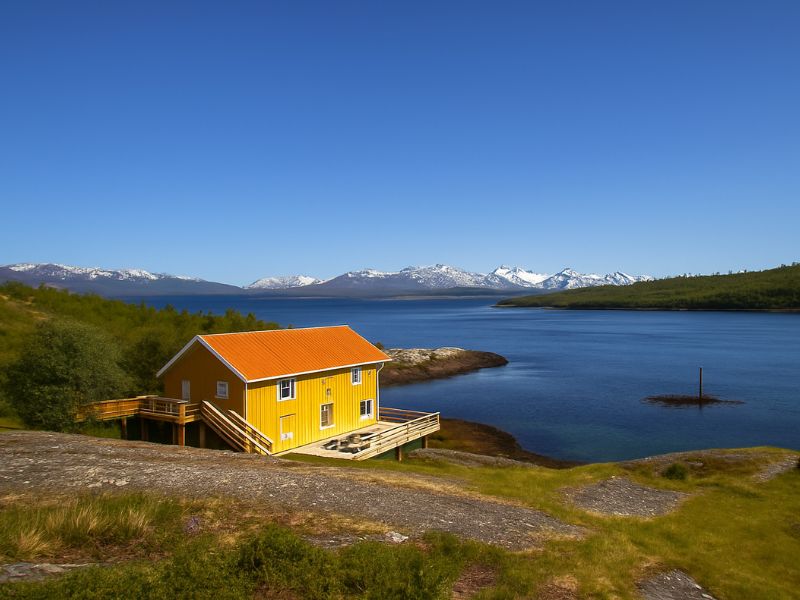
Summer requires significantly lighter packing with temperatures 8-15°C (46-59°F) needing light layers, rain jacket, and fleece rather than extreme cold weather gear.
Hiking boots with ankle support and good traction handle summer trails better than heavy winter boots, requiring proper hiking footwear not casual sneakers.
Rain gear remains essential despite summer season with 8-12 rainy days per month requiring waterproof jacket and potentially rain pants for extended outdoor activities.
Sun protection including sunglasses, sunscreen SPF 50, and hat become critical during midnight sun when 24-hour daylight creates constant UV exposure.
Use our winter vs summer complete comparative guide to evaluate which season suits your interests—covering Northern Lights success rates, hiking accessibility, budget differences, and clothing requirements.
Table: Winter vs Summer Packing Comparison
| Item | Winter (Nov-Mar) | Summer (May-Aug) | Why the Difference |
|---|---|---|---|
| Insulated Jacket | Heavy down -30°C rated | Light fleece or down vest | Temperature difference 25-30°C |
| Base Layers | 2-3 thermal sets | 1 light set optional | Cold requires multiple backups |
| Pants | Insulated waterproof | Hiking pants + rain pants | Winter cold vs summer rain |
| Boots | Winter boots -30°C rated | Hiking boots normal | Ice/snow vs dry trails |
| Socks | 4-5 thick wool pairs | 3-4 hiking sock pairs | Less extreme conditions |
| Hat | Thick insulated | Light beanie or sun hat | Head warmth vs sun protection |
| Gloves | Heavy insulated + mittens | Light gloves optional | Frostbite prevention vs mild cold |
| Sunglasses | Yes (snow glare) | Yes (midnight sun) | Both seasons need protection |
| Sunscreen | SPF 50 (snow reflection) | SPF 50 (24hr sun) | Year-round essential |
| Rain Jacket | Waterproof shell | Waterproof breathable | Both need rain protection |
| Photography Gear | Full kit if shooting aurora | Optional if not priority | Northern Lights vs landscapes |
| Total Weight | 50-60 lbs checked + carry-on | 30-40 lbs carry-on possible | Winter gear much heavier |
Summer temperatures 8-15°C (46-59°F) require layering with base layer, fleece, and waterproof jacket handling variable conditions throughout long daylight hours.
Hiking boots need proper ankle support and Vibram soles for rocky trails, with many visitors mistakenly bringing running shoes or casual sneakers inappropriate for mountain terrain.
Summer rain jacket must be lightweight packable for carrying during hikes, since afternoon showers can develop quickly requiring protection without bulk.
The midnight sun creates unique sunscreen requirements with 24-hour daylight providing constant UV exposure, making SPF 50 applications every 2-3 hours necessary.
Sunglasses in summer protect from endless bright light during midnight sun when sun circles horizon creating perpetual daylight making sleep difficult without eye protection.
Summer packing fits into carry-on luggage for many travelers versus winter’s bulky extreme cold gear requiring checked bags, simplifying travel logistics.
Mosquito repellent becomes important during summer months (June-August) when Arctic mosquitoes emerge briefly but intensely, requiring DEET-based protection for outdoor activities.
The temperature misconception leads summer visitors to underpack warmth, forgetting that 10-12°C (50-54°F) evenings feel chilly requiring fleece layers not just t-shirts.
What Items Should You Definitely Buy Locally vs Bring?
Buy forgotten basics including toiletries, snacks, hand warmers, and cheap accessories locally at supermarkets or outdoor shops accepting 20-40% price premium versus home.
Bring essential items impossible to replace including prescription medications, specific camera equipment, proper winter boots in your exact size, and personal electronics.
Rent expensive specialized gear like cameras (€40-80 daily), telephoto lenses (€30-60), or cross-country skis (€20-30) versus buying equipment used once.
Is Tromsø expensive? Yes, but our complete cost guide shows how to visit on budgets ranging from €60-300 daily with specific strategies for minimizing expenses.
Table: Buy Locally vs Bring From Home Decision Matrix
| Item Category | Bring From Home | Buy in Tromsø | Rent in Tromsø | Why | Local Cost vs Home |
|---|---|---|---|---|---|
| Prescription Medications | Always | Emergency only | Never | Specific to you, may not have | N/A |
| Winter Boots Proper | Strongly Recommended | Backup if desperate | Rarely available | Size/fit critical | €150-300 (2x home price) |
| Camera Body/Lens | If you own | No | Yes (€40-80/day) | Expensive locally | Much higher |
| Base Layers Thermal | Recommended | Backup if needed | No | Size/comfort specific | €40-80 (50% markup) |
| Down Jacket | Recommended | Backup if needed | Sometimes tours provide | Fit and quality important | €200-400 (2x home price) |
| Hand/Toe Warmers | Either | Yes (very available) | N/A | Cheap everywhere | €1-2 each (similar) |
| Sunscreen | Either | Yes (available) | N/A | Widely available | €12-20 (30% markup) |
| Toiletries Basic | Minimal amounts | Yes (widely available) | N/A | Easy to buy | €15-30 (20-40% markup) |
| Snacks Preferred | Bring favorites | Different brands available | N/A | Personal preference | Similar prices |
| Electronics | Always bring | No (limited selection) | Sometimes | Expensive, limited | 50-100% markup |
| Tripod | If you own | Possible but expensive | Yes (€15-30/day) | Heavy but needed for photos | €100-300 (markup) |
Tromsø outdoor shops including XXL, Intersport, and G-Sport sell quality winter gear though at 50-100% premium versus home country prices making pre-trip purchases advisable.
Emergency winter clothing purchases work in a pinch with adequate (not ideal) options available, though expecting exact sizes, preferred brands, or specific features is unrealistic.
Toiletries, snacks, and consumables exist at Norwegian supermarkets (Rema 1000, Kiwi, Coop) with familiar brands or acceptable alternatives at 20-40% premium over home costs.
The critical don’t-buy-locally items are prescription medications, electronics (cameras, phones, laptops), and proper extreme-cold winter boots in specific sizes since replacements are expensive or impossible.
Rental camera equipment provides practical solution for visitors wanting DSLR Northern Lights photos without ownership investment, though total rental costs approach purchase prices beyond 5-7 days.
Tour-provided thermal suits, mittens, and sometimes boots for specific activities reduce packing requirements, though relying entirely on tour gear without backup proves risky.
The strategy is bringing irreplaceable essentials (medications, cameras, boots) and personal-fit items (base layers, gloves) while accepting you’ll buy forgotten basics locally at premium.
Shipping winter gear home after use rather than flying it back works for some travelers, though Norwegian shipping costs are expensive making this impractical for most.
Discover what fits this part of your trip. The 5–8-hour aurora hunt includes a warm meal, thermal suit and web-size photos. Explore Aurora Hunt With Meal And Photos
What Are Common Winter Packing Mistakes?
Bringing inadequate winter boots rated only to -10°C or -15°C rather than proper -30°C boots results in cold painful feet during extended outdoor Northern Lights viewing.
Packing cotton clothing including jeans, cotton socks, or cotton base layers creates hypothermia risk when moisture gets trapped against skin in extreme cold.
Underestimating how many warm layers are needed leads to discomfort and cutting activities short when visitors realize single fleece plus regular jacket can’t handle -15°C conditions.
Check your date before arranging other plans. Explore a sledding day where your packing matters: guests bring warm layers, gloves and winter boots, while camp transfers, feeding, Sámi storytelling and a warm lunch are included. Explore Reindeer Sledding And Sámi Culture
Table: Common Packing Mistakes and Consequences
| Mistake | Why It’s Wrong | Consequence | Solution | How Common |
|---|---|---|---|---|
| Inadequate Winter Boots | “Winter boots” ≠ -30°C rated | Cold feet, frostbite risk, cutting activities short | Buy proper -30°C rated boots | Very common (40%) |
| Cotton Clothing | Retains moisture, loses insulation | Hypothermia risk when wet | Only wool/synthetics | Common (30%) |
| Single Layer/Jacket | Can’t adjust for conditions | Too cold or too hot always | Proper layering system | Common (25%) |
| Cheap Flimsy Tripod | Wind vibration, instability | Blurry aurora photos after hours waiting | Sturdy tripod €50+ | Common photographers |
| Insufficient Spare Batteries | Cold drains batteries fast | Camera dies during aurora display | 2-3 spares minimum | Very common |
| No Hand/Toe Warmers | Backup warmth missing | Unnecessary cold suffering | Bring 10-20 packs | Moderate (20%) |
| Overpacking Summer | Expect 20-25°C but get 10-15°C | Wrong clothing entirely | Research actual temps | Common (25%) |
| Jeans for Winter | Cotton + wet = freeze | Cold wet legs all day | Waterproof insulated pants | Common (20%) |
| Forgetting Sunscreen | Snow reflection intense | Severe sunburn despite cold | SPF 50 always | Moderate (15%) |
| No Neck Protection | Exposed skin area | Frostbite on neck/face | Neck warmer or balaclava | Common (20%) |
Winter boots marketed as “waterproof winter boots” in temperate climates often rate only to -10°C or -15°C, proving inadequate for Arctic -20°C conditions with windchill.
The cotton trap catches visitors wearing cotton jeans or cotton base layers that become wet from snow or sweat, then lose all insulating value creating dangerous chilling.
Single-layer packing brings only a winter coat without proper base layers or mid layers, forcing the choice between freezing or overheating with no adjustment flexibility.
Cheap tripods under €30 wobble in wind causing aurora photo blur after hours of cold waiting, with proper sturdy tripods (€50-150) being essential photography investment.
Battery planning fails when photographers bring only 1 spare versus the 2-3 needed for full evening, finding cameras dead after 90 minutes in -15°C conditions.
Summer overpacking occurs when visitors expect Mediterranean 25°C warmth and bring shorts/t-shirts for 10-15°C reality requiring fleece and long pants.
Jeans for winter represent terrible choice being cotton (moisture-retaining), providing no insulation, and becoming stiff and freezing when wet from snow.
Sunscreen seems counterintuitive for winter Arctic but snow reflection creates intense UV exposure requiring SPF 50 especially during bright late February-March sun return.
Neck and face protection gets overlooked with exposed skin developing frostbite quickly in -15°C to -20°C conditions combined with wind during outdoor activities.
What Electronics and Accessories Do You Need?
Power bank (10,000+ mAh) keeps phones and devices charged during all-day Northern Lights chasing or hiking when away from outlets for 6-12 hours.
European travel adapter Type C and F (Norway standard) converts US/UK/other plugs to Norwegian outlets, with some devices needing voltage converter for 230V European power.
Portable phone charger with cables ensures communication and photography capability doesn’t die midway through activities, critical in Arctic where cell service is limited remotely.
Plan power for a potentially late aurora chase by bus. Check your actual travel date before arranging other evening or early-morning plans, then reserve battery capacity for the return window on your ticket. Check The Big Bus Chase For Your Date
Table: Electronics and Accessories Packing List
| Item | Priority | Why You Need It | Local Cost | Can Buy Locally? | Weight | Voltage/Compatibility |
|---|---|---|---|---|---|---|
| Power Bank 10,000+ mAh | Essential | All-day device charging | €30-60 | Yes | 0.5 lb | Universal (charges via USB) |
| European Adapter Type C/F | Essential | Plug your devices | €10-20 | Yes | 0.2 lb | Must match Norway 230V |
| Phone Charging Cable | Essential | Daily phone charging | €15-30 | Yes | 0.1 lb | Match your phone |
| Camera Charger + Cable | Essential (if bringing camera) | Charge camera batteries | N/A | Bring from home | 0.3 lb | Check voltage 110-240V |
| Headphones | Recommended | Travel entertainment | €30-200 | Yes | 0.3 lb | Universal |
| Kindle/E-reader | Recommended | Reading during polar night | €80-200 | Yes (expensive) | 0.3 lb | Charge via USB |
| Laptop/Tablet | Optional | Photo editing, work | Have it | Yes (very expensive) | 2-4 lbs | Need adapter |
| Voltage Converter | Sometimes | US 110V devices to EU 230V | €20-40 | Yes | 0.5 lb | Only if device doesn’t support 230V |
| International SIM | Optional | Cheaper than roaming | €20-40 | Yes | 0.01 lb | Check phone compatibility |
Norway uses European standard 230V electricity versus US/Canada 110V, requiring voltage converter for devices only supporting 110V (though most modern electronics support both).
Type C and F plugs (European two round pins) are Norwegian standard, requiring adapters for US flat-blade, UK three-pin, or other international plug types.
Power banks must follow airline regulations carrying in carry-on bags only (never checked luggage) with capacity limits varying by airline, typically 27,000 mAh maximum.
Phone charging cables should be brought from home since buying replacements locally costs €15-30 versus €5-10 at home, making pre-trip packing cheaper.
Kindle or e-reader provides entertainment during long polar night evenings or travel days without carrying heavy physical books adding weight and space.
Laptop computers are unnecessary for most tourists adding 3-5 lbs weight and bulk, though digital nomads or serious photographers need them for work or editing.
The electronics trap is bringing too many devices when phone + camera + power bank suffices for most travelers, with laptops and tablets being unnecessary luxury weight.
International roaming charges from home carriers can be expensive (€10-20 daily) versus buying local Norwegian SIM card (€20-40) for multi-week stays.
What Health and Safety Items Should You Pack?
Prescription medications in original labeled bottles bring extra days beyond trip length as safety buffer in case delayed flights or extended stays occur.
First aid basics including bandaids, pain relievers (ibuprofen), anti-diarrheal medication, and antibiotic ointment handle minor medical issues without finding Arctic pharmacies.
Lip balm with SPF and moisturizer combat extreme dryness from cold dry air and snow reflection, preventing painful chapped lips during outdoor activities.
Table: Health and Safety Packing Essentials
| Item | Priority | Quantity | Why Essential | Can Buy Locally? | Notes |
|---|---|---|---|---|---|
| Prescription Medications | Critical | Trip + 3 days extra | Personal health needs | Emergency only | Original bottles with labels |
| Pain Relievers | Important | 20-30 pills | Headaches, soreness, cold-related pain | Yes (€5-10) | Ibuprofen or paracetamol |
| First Aid Kit Small | Important | 1 kit | Minor cuts, blisters, scrapes | Yes (€15-25) | Bandaids, ointment, tape |
| Lip Balm SPF | Very Important | 2-3 tubes | Prevents painful chapped lips | Yes (€5-8) | SPF protection critical |
| Moisturizer | Important | 1 bottle | Combat dry Arctic air | Yes (€10-20) | Face and hands especially |
| Blister Pads | Important | 5-10 | Hiking boots cause blisters | Yes (€8-15) | Prevention and treatment |
| Motion Sickness Pills | Recommended | 10-15 | Winding roads, boat tours | Yes (€6-10) | If prone to motion sickness |
| Anti-Diarrheal | Recommended | 10 pills | Travel stomach issues | Yes (€6-10) | Just in case |
| Altitude Medication | Not Needed | N/A | Tromsø at sea level | N/A | Not relevant here |
| Antihistamines | If Needed | 7-10 pills | Allergies year-round | Yes (€8-12) | If you have seasonal allergies |
| Vitamin D | Recommended Winter | 1 bottle | Polar night compensation | Yes (€10-20) | Locals use heavily |
Prescription medications require original pharmacy bottles with name and prescribing doctor visible, preventing potential customs issues when entering Norway.
The extra medication days (trip + 3) account for flight delays, weather cancellations, or medical emergencies extending stays beyond planned duration.
Norwegian pharmacies (Apotek) stock most medications though requiring prescriptions for many items, making bringing adequate supplies from home easier than seeking replacements.
Lip balm usage increases dramatically in Arctic cold with dry air sucking moisture from lips, requiring reapplication every 2-3 hours during outdoor activities.
Moisturizer prevents painful dry cracked skin on hands and face from cold dry Arctic air, with severe cases developing painful splitting requiring medical attention.
Blister prevention matters more than treatment with new hiking boots causing blisters during extended walking, making moleskin or blister pads essential preventative.
Motion sickness medication helps during boat tours to see whales or fjord cruises on potentially choppy Arctic waters, plus winding mountain roads.
Vitamin D supplements combat polar night darkness during winter when sun never rises for 2 months, with Tromsø residents taking supplements regularly.
The health insurance question requires comprehensive travel insurance covering Arctic activities and potential medical evacuation, which standard policies sometimes exclude.
FAQs
Discover what fits this part of your trip. The 5–8-hour aurora hunt includes a warm meal, thermal suit and web-size photos. Explore Aurora Hunt With Meal And Photos
What is the most important item to pack for Tromsø winter?
Winter boots rated for -30°C (-22°F) with excellent traction prevent frostbite during Northern Lights viewing and provide safe walking on ice/snow, being absolutely essential.
Check your travel date before arranging other plans. The four-hour husky outing includes kennel transfers, an Arctic suit and winter boots. Check Kvaløya Husky Dates
Can I pack only carry-on luggage for Tromsø?
Summer yes (30-40 lbs possible), winter no (bulky extreme cold gear requires 50-60 lbs checked bag) unless accepting tour-provided thermal suits and limited personal gear.
What should I wear for Northern Lights tours?
Thermal base layers, fleece mid layer, down jacket, insulated waterproof pants, winter boots -30°C, thick socks, insulated gloves, warm hat, neck warmer for -10°C to -20°C conditions.
Check your travel date before arranging other plans. The minibus aurora chase includes warm suits, camera-setting help and high-resolution photos. Check Small-Group Aurora Dates
Do I need special camera equipment for Northern Lights?
DSLR/mirrorless with manual controls, wide lens f/2.8, sturdy tripod, spare batteries essential for quality photos, though recent smartphones capture acceptable images with night mode.
What can I buy locally in Tromsø if I forget something?
Toiletries, snacks, hand warmers, basic clothing at 20-50% premium versus home, though proper winter boots, cameras, and medications should be brought from home.
Check your travel date before arranging other plans. The 5–8-hour aurora hunt includes a warm meal, thermal suit and web-size photos. Check Your Tromsø Aurora Date
Is cotton clothing okay for Tromsø?
No, absolutely avoid cotton (including jeans) since it retains moisture and loses insulation when wet, creating hypothermia risk in extreme cold – use only wool/synthetics.
Check the supplied gear before buying or packing extra equipment. The four-hour husky outing includes kennel transfers, an Arctic suit and winter boots. Explore Self-Drive Husky Adventure On Kvaløya
How to Create Your Perfect Tromsø Packing List
Start with season determining whether extreme cold winter gear or lighter summer layers form your packing foundation based on visit dates.
Prioritize the three critical winter items: -30°C winter boots, thermal base layers (2-3 sets), and down jacket rated for extreme cold before any other items.
Invest in proper photography equipment if Northern Lights photography matters, with camera + lens + tripod representing €1,500-3,000+ investment or €70-140 daily rental costs.
Use layering system (base + mid + outer) for winter rather than single heavy items, providing flexibility adjusting warmth throughout varied activity levels and temperatures.
Pack 2-3 complete base layer sets accounting for washing and drying time, since you can’t wear same clothes consecutively in extreme cold without backups.
Accept bulky winter gear requires checked luggage (50-60 lbs typical) versus summer’s possible carry-on only (30-40 lbs) when planning bag strategy.
Bring prescription medications, camera equipment, and proper boots from home while accepting you’ll buy forgotten toiletries or basics locally at premium.
Test all winter gear before departure ensuring boots fit with thick socks, jacket zips work, and layers accommodate movement for activity flexibility.
For complete Arctic packing guidance and tour equipment details, visit Tromso Norway Tours where we provide activity-specific gear recommendations.
Glossary
- Base Layer: Thermal underwear (top and bottom) worn against skin for moisture wicking and first insulation level in layering system.
- -30°C Rating: Boot or jacket insulation specification indicating safe use in temperatures down to -30°C (-22°F) or lower.
- Merino Wool: Natural fiber from merino sheep providing excellent insulation, moisture wicking, and odor resistance for base layers.
- Type C/F Plug: European standard electrical plug with two round pins (Type C) or two round pins with grounding (Type F) used in Norway.
- Packing Cube: Organizational bag compressing clothes while keeping items separated by type or outfit for efficient luggage packing.
Check the supplied gear before buying or packing extra equipment. The four-hour husky outing includes kennel transfers, an Arctic suit and winter boots. Explore Self-Drive Husky Adventure On Kvaløya
Key Takeaways
- Tromsø winter packing requires extreme cold gear: thermal base layers (2-3 sets), down jacket -30°C rated, winter boots -30°C rated, insulated waterproof pants, thick wool socks (4-5 pairs), insulated gloves plus mittens, warm hat, neck warmer for -10°C to -20°C conditions.
- Northern Lights photography needs DSLR/mirrorless camera with manual controls, wide f/2.8 lens, sturdy tripod, 2-3 spare batteries (cold drains rapidly), fast memory cards.
- Summer requires light layers for 8-15°C (46-59°F): fleece, rain jacket, hiking boots, warm clothing despite season.
- Essential year-round items: sunglasses (snow glare winter, midnight sun summer), sunscreen SPF 50, power bank, European adapter Type C/F, reusable water bottle.
- Many tour operators provide thermal suits for activities reducing personal gear needs. Buy forgotten basics locally at XXL, Intersport, G-Sport accepting 50-100% price premium.
- Winter boots are absolute critical essential – frostbite risk with inadequate footwear. Avoid cotton entirely (including jeans) since moisture retention loses insulation creating hypothermia risk.
- Layering system (base + mid + outer) provides flexibility versus single heavy items.
- Total winter luggage 50-60 lbs checked bag plus carry-on required for bulky gear.
- Summer allows carry-on only (30-40 lbs) for many travelers. Pack valuables in carry-on: medications, camera equipment, change of clothes, documents.
- Hand/toe warmers (10-20 packs) provide emergency warmth and keep camera batteries functioning. Lip balm SPF and moisturizer combat extreme dry Arctic air.
- Prescription medications bring trip length plus 3 extra days in original labeled bottles. Skip formal clothing – Tromsø casual everywhere.
- Hair dryers provided by hotels. Plan complete Tromsø packing at /.
Written by Erik Johansen, Tromsø tour guide for the past 15 years, specializing in Northern Lights expeditions and Arctic winter survival preparation.
Check Your Tour Date
Planning an aurora evening? Check your Tromsø date before arranging dinner or other plans; this guided hunt includes a warm meal, thermal suit and web-size souvenir photos.
Adjust activity, timing or group needs
General recommendations: confirm dates and group requirements
Use the checklist without booking a tour: check the forecast close to departure, build a moisture-managing layer system, bring footwear suited to expected conditions, keep medications and camera equipment in carry-on luggage, and leave room to buy ordinary forgotten items locally. For independent aurora viewing, choose a safely accessible dark location, arrange reliable transport and a return plan, and do not drive in unfamiliar winter conditions unless properly prepared.
Compare Your Group’s Real Costs
Use current quotes in the same currency. Include transport, fuel, parking and equipment in your DIY total. Include all participants and extras in the tour total.
Booking takes place with the provider. Prices, exact departures and available options are shown there. We may earn a commission when you book through these links.