Tromsø in Winter vs Summer Comparison
Choose Tromsø winter (Northern Lights, dog sledding, -20°C) or summer (midnight sun, hiking, 10-15°C). Winter €140-200, summer €120-180. Complete 2026 guide.
Last updated: August 31, 2026
TL;DR
Winter (December-February) offers Northern Lights viewing (70-80% success 3-4 nights), polar night darkness (0-6 hours daylight), dog sledding (€200-250), snowmobiling (€250-300), whale watching November-January only (€120-180), temperatures -10°C to -20°C requiring extreme gear. Summer (June-July) provides midnight sun (24-hour daylight), hiking (free trails), fishing (€80-150), kayaking (€60-100), temperatures 10-15°C comfortable layers, no Northern Lights possible. Winter costs €140-200 accommodation peak versus €120-180 summer, with December-February being highest prices and crowds. Winter activities motorized and guided (expensive €120-300), summer activities outdoors and independent (cheaper or free). Daylight: winter 0-6 hours (polar night November 21-January 21), summer 18-24 hours (midnight sun May 20-July 22). Winter atmosphere magical dark Arctic with Christmas markets, summer bright endless days with outdoor adventure. Best for first-timers: winter if prioritizing Northern Lights (primary draw), summer if preferring hiking and outdoor activities. Shoulder seasons: March transitional (Northern Lights ending, daylight returning), September-October (Northern Lights beginning, autumn colors, best value 25-30% cheaper). Winter requires -30°C gear (boots €100-200, layers €200-400), summer needs rain jacket and warm layers (10-15°C variable). Activities overlap: Arctic Cathedral, Cable Car, museums, dining year-round. Unique winter: Northern Lights tours, dog sledding, snowmobiling, whale watching, polar night. Unique summer: hiking, midnight sun tours, fishing, kayaking, wildlife (not whales).
5–8 hours for aurora hunt with meal and photos. Book The Aurora Hunt
Discover what fits this part of your trip. The 5–8-hour aurora hunt includes a warm meal, thermal suit and web-size photos. Explore Aurora Hunt With Meal And Photos
What Are the Fundamental Differences Between Winter and Summer in Tromso?
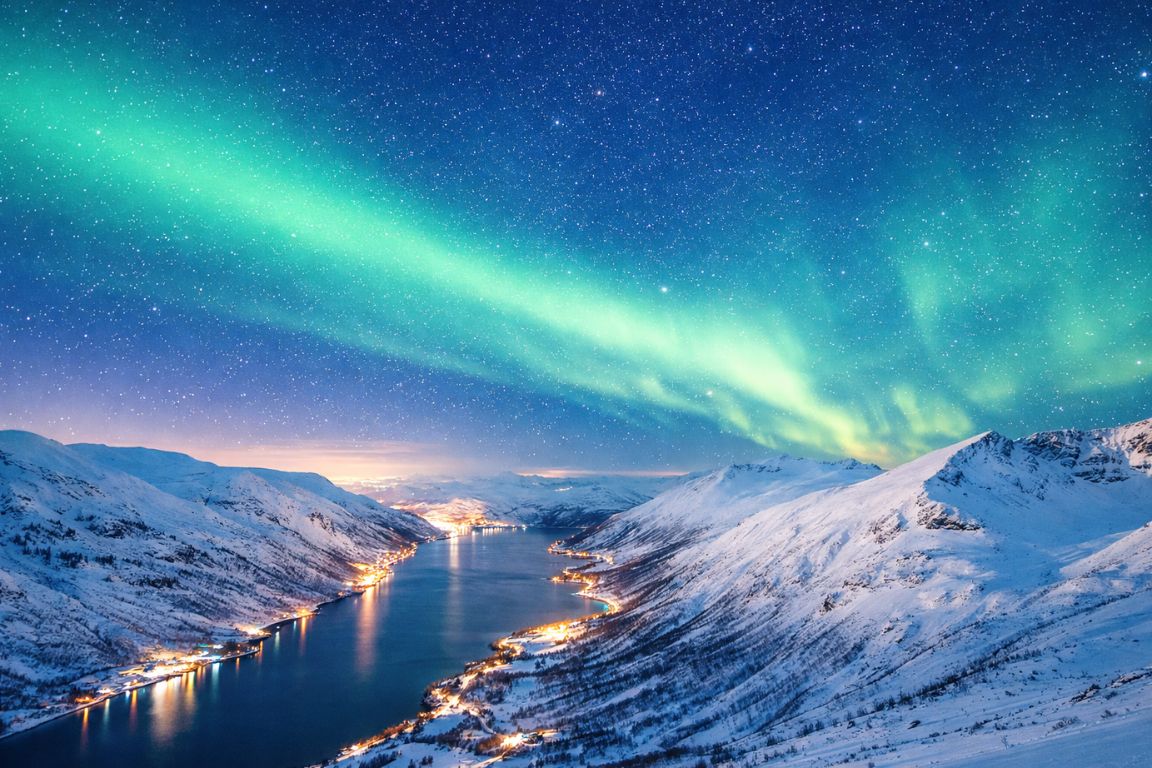
Winter revolves around Northern Lights phenomenon with 70-80% viewing success over 3-4 nights during December-February peak season and polar night creating 24-hour darkness opportunities.
Summer centers on midnight sun experience with 24-hour continuous daylight enabling hiking, outdoor activities, and unique photographic opportunities during May 20-July 22 period.
Temperature extremes separate seasons dramatically with winter -10°C to -20°C requiring extreme cold gear versus summer 10-15°C needing only moderate layers and rain protection.
Activity portfolios differ fundamentally with winter being motorized guided experiences (dog sledding €200-250, snowmobiling €250-300) versus summer outdoor independent adventures (hiking free, kayaking €60-100).
Table: Winter vs Summer in Tromso Overview Comparison
| Factor | Winter (Dec-Feb) | Summer (Jun-Jul) | Difference Impact | Which Is Better | Considerations |
|---|---|---|---|---|---|
| Primary Phenomenon | Northern Lights (70-80% success) | Midnight Sun (24hr daylight) | Complete opposite experiences | Depends on priority | Winter if aurora focus |
| Temperature Range | -10°C to -20°C | 10-15°C | 25-30°C difference | Summer comfort | Winter extreme cold |
| Daylight Hours | 0-6 hrs (polar night) | 18-24 hrs (midnight sun) | Total reversal | Summer activities | Winter photography unique |
| Activity Type | Motorized, guided (€120-300) | Outdoor, independent (€0-150) | Cost and style | Summer budget-friendly | Winter unique Arctic |
| Accommodation | €140-200 (highest) | €120-180 (high) | 10-15% difference | Summer slightly cheaper | Both expensive |
| Crowds | Very High (Dec-Feb) | High (Jun-Jul) | Both peak seasons | Similar crowding | Book 4-6 weeks both |
| Weather Stability | Stable cold, dry | Variable, rainy | Winter more predictable | Winter reliability | Summer wetness |
| Clothing Requirements | Extreme -30°C gear (€300-500) | Rain jacket, layers (€100-200) | Double investment | Summer easier | Winter essential gear |
| Unique Activities | Dog sledding, snowmobiling, whale watching | Hiking, midnight sun, kayaking, fishing | Completely different portfolios | Depends on preference | Can’t do both seasons |
| Photography | Northern Lights, blue hour, contrast | Midnight sun, golden hour, landscapes | Different opportunities | Both excellent | Different skills |
The Northern Lights impossibility during summer stems from 18-24 hour daylight overwhelming aurora displays despite them technically occurring overhead invisible in bright conditions.
Polar night phenomenon (November 21-January 21) creates perpetual darkness with 0-2 hours civil twilight maximum enabling all-day Northern Lights viewing flexibility.
Midnight sun period (May 20-July 22) produces 24-hour continuous daylight with sun circling horizon never setting creating endless golden-hour light for photography.
Temperature gear investment shows winter requiring €300-500 complete Arctic clothing (boots €100-200, jacket €100-200, layers €100-150) versus summer €100-200 rain gear and layers.
The activity cost difference reflects winter motorized guided experiences necessitating equipment and guides (€120-300) versus summer hiking trails and outdoor adventures (free or €60-150).
Accommodation pricing peaks both seasons though winter December-February commanding €140-200 versus summer €120-180 showing 10-15% winter premium reflecting higher demand.
Weather predictability favors winter with stable high-pressure cold systems versus summer’s maritime climate bringing frequent rain, fog, and rapidly changing conditions.
Crowd levels remain high both seasons though winter December-February peak slightly exceeding summer June-July with Christmas-New Year being absolute busiest period.
The booking timeline requires 4-6 weeks advance both seasons for quality accommodation and popular tours, with Christmas week demanding 8-12 weeks ahead.
Discover what fits this part of your trip. The Sommarøy road trip includes a salmon picnic and professional photos. Explore Sommarøy Fjord Tour With Salmon Picnic
How Do Northern Lights vs Midnight Sun Compare in Tromso?
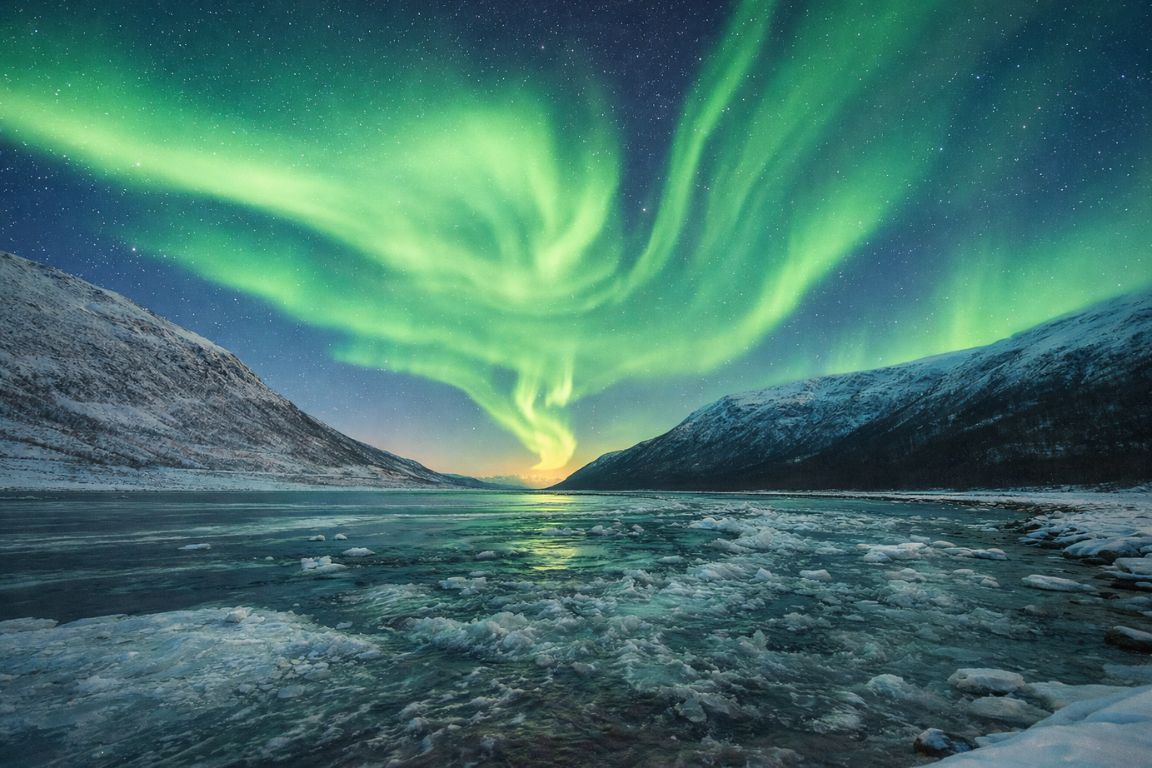
Northern Lights viewing during winter provides 70-80% cumulative success over 3-4 nights December-February with displays ranging from faint green curtains to vivid dancing rainbow auroras.
Midnight sun summer enables 24-hour photography, late-night hiking at 11pm-2am, and biological experience of endless daylight affecting sleep patterns and energy levels.
Northern Lights require escaping city light pollution (5-60km drives to Bortle 2-4 locations) with tours costing €90-150 or DIY requiring car rental and photography skills.
Midnight sun accessibility happens everywhere including city center with no special locations or tours required, though elevated viewpoints (Cable Car €35) enhancing experience.
Table: Northern Lights vs Midnight Sun Detailed Comparison
| Aspect | Northern Lights (Winter) | Midnight Sun (Summer) | Winner | Why Different |
|---|---|---|---|---|
| Occurrence Dates | September-March (best Nov-Feb) | May 20-July 22 (peak Jun-Jul) | N/A | Seasonal phenomena |
| Viewing Success Rate | 70-80% over 3-4 nights (Dec-Feb) | 100% guaranteed every day | Midnight Sun (certainty) | Weather affects aurora |
| Location Requirements | Must escape city 5-60km | Visible everywhere including city | Midnight Sun (easier) | Light pollution aurora issue |
| Tour Cost | €90-150 guided tours | €50-80 midnight sun tour (optional) | Midnight Sun (cheaper) | Aurora requires chasing |
| DIY Difficulty | Hard (car, gear, knowledge) | Easy (just stay awake) | Midnight Sun (accessible) | Aurora technical |
| Photography Challenge | Very High (tripod, settings, cold) | Low-Medium (just timing) | Midnight Sun (easier) | Aurora requires skill |
| Duration of Experience | 30-90 min typical viewing | Continuous 24 hours daily | Midnight Sun (extended) | Aurora comes and goes |
| Physical Comfort | Very Cold (-15°C to -25°C) | Comfortable (10-15°C) | Midnight Sun (pleasant) | Winter exposure |
| Uniqueness Factor | Very High (rare, magical) | Very High (surreal, unusual) | Tie (both unique) | Different unusual |
| Disappointment Risk | 20-30% see nothing | 0% (always visible) | Midnight Sun (reliable) | Aurora unpredictable |
| Sleep Disruption | Minimal (tours 6pm-midnight) | High (daylight prevents sleep) | Northern Lights (better sleep) | Midnight sun biological |
| Special Equipment Needed | Camera, tripod, warm gear (€500-1500) | Just sunglasses, eye mask | Midnight Sun (minimal) | Aurora photography intensive |
Northern Lights magic stems from unpredictability and dancing movement creating awe when displays appear, with vivid KP 4-5 shows producing lifetime memories.
The midnight sun surrealism affects visitors biologically with 24-hour daylight disrupting circadian rhythms, requiring blackout curtains or eye masks for sleep.
Aurora photography requirements include camera with manual controls (€800-3000), wide-angle lens f/2.8 (€400-1500), tripod (€50-150), making serious photography expensive investment.
Midnight sun photography advantages show continuous golden-hour light 10pm-2am creating magical landscape conditions without technical difficulty of aurora shooting.
The success rate difference shows Northern Lights being weather and aurora-dependent (70-80% success meaning 20-30% disappointment) versus midnight sun 100% guaranteed visibility.
Northern Lights tour necessity for most visitors shows guides accessing dark locations, monitoring forecasts, and providing photography assistance justifying €90-150 costs.
Midnight sun tour optionality reflects phenomenon being visible everywhere, with €50-80 tours adding guided experiences (hiking, boat trips) rather than being essential viewing access.
Duration comparison shows aurora viewing lasting 30-90 minutes typical (sometimes hours during strong displays) versus midnight sun persisting continuously 24 hours daily.
The comfort factor heavily favors midnight sun with pleasant 10-15°C temperatures versus aurora hunting in -15°C to -25°C windchill requiring extreme cold tolerance.
Sleep management strategies differ with winter maintaining normal patterns despite darkness versus summer requiring blackout solutions preventing biological confusion.
What Temperature and Weather Differences Exist?
Winter temperatures averaging -10°C to -15°C (lows -18°C to -25°C) create genuine Arctic cold requiring extreme gear and limiting outdoor exposure to 30-60 minute periods.
Summer temperatures ranging 10-15°C (highs 18-20°C warmest days) provide comfortable conditions though rain jacket essential with precipitation 12-15 days monthly.
Winter weather stability shows high-pressure systems creating clear cold conditions ideal for Northern Lights though brutal -20°C temperatures testing human limits.
Summer weather variability brings frequent rain, fog, and rapidly changing maritime conditions with 3-4 different weather patterns possible single day.
Our complete best time to visit Tromsø guide breaks down each month’s conditions, helping you choose optimal timing for your priorities.
Check your travel date before arranging other plans. The four-hour husky outing includes kennel transfers, an Arctic suit and winter boots. Check Kvaløya Husky Dates
Table: Temperature and Weather in Tromso Comprehensive Comparison
| Weather Factor | Winter (Dec-Feb) | Summer (Jun-Jul) | Practical Impact | Planning Considerations |
|---|---|---|---|---|
| Average Daytime Temp | -10°C to -15°C | 10-15°C | 25°C difference | Winter extreme gear essential |
| Average Nighttime Temp | -15°C to -20°C | 8-12°C | 25-30°C difference | Winter heating costs high |
| Extreme Cold Days | -18°C to -25°C (10-15 days) | 5-8°C (rare cold) | Winter dangerous exposure | Frostbite risk management |
| Extreme Warm Days | -5°C to 0°C (5-8 days) | 18-22°C (5-10 days) | Winter “warm” still cold | Adjust expectations |
| Precipitation Days | 10-12 days (snow) | 12-15 days (rain) | Summer wetter frequency | Rain gear essential summer |
| Precipitation Type | Snow (dry, manageable) | Rain (wet, miserable) | Winter actually better | Rain worse than snow |
| Wind Speed Average | 12-18 km/h | 15-22 km/h | Summer windier | Summer windchill factor |
| Windchill Factor | -20°C to -30°C perceived | 5-10°C perceived | Winter brutal | Winter limits outdoor time |
| Weather Stability | Stable (3-5 day patterns) | Variable (hourly changes) | Winter predictable | Summer requires flexibility |
| Fog/Low Cloud | 15-20% days | 25-35% days | Summer worse visibility | Summer affects photography |
| Clear Sky Days | 30-35% fully clear | 20-25% fully clear | Winter better aurora | Summer fewer perfect days |
| UV Radiation | Low (snow reflection) | Moderate-High | Summer sunburn risk | Summer sunscreen essential |
Winter windchill calculation shows -15°C ambient temperature with 15 km/h winds creating -25°C to -30°C perceived temperature requiring extreme cold protection.
The snow versus rain debate heavily favors snow with dry winter precipitation being manageable versus summer rain causing wet misery and activity limitations.
Layering requirements show winter needing 4-5 clothing layers (base, mid, insulation, shell, accessories) versus summer 2-3 layers (base, shell, accessories) with rain protection.
Weather forecast accuracy improves winter with stable 3-5 day high-pressure patterns versus summer’s maritime chaos creating hourly condition changes.
The clear sky advantage shows winter 30-35% fully cloud-free nights benefiting Northern Lights versus summer 20-25% reducing photography opportunities.
Frostbite danger during winter affects exposed skin within 15-30 minutes at -20°C requiring constant monitoring of fingers, toes, nose, cheeks for white patches.
Summer rain persistence creates 50-60% probability of encountering rain during 7-day visits requiring waterproof everything (jacket, pants, bags) as essential not optional.
Indoor refuge accessibility shows winter temperatures driving visitors indoors every 30-60 minutes warming hands and bodies versus summer enabling extended outdoor comfort.
The heating costs during winter add €15-30 daily to accommodation expenses with -20°C exterior temperatures requiring constant heating versus summer minimal costs.
UV radiation during summer reflects off water and snow creating sunburn risk despite moderate 10-15°C temperatures, requiring SPF 30-50 sunscreen application.
How Do Winter and Summer Activities Compare in Tromso?
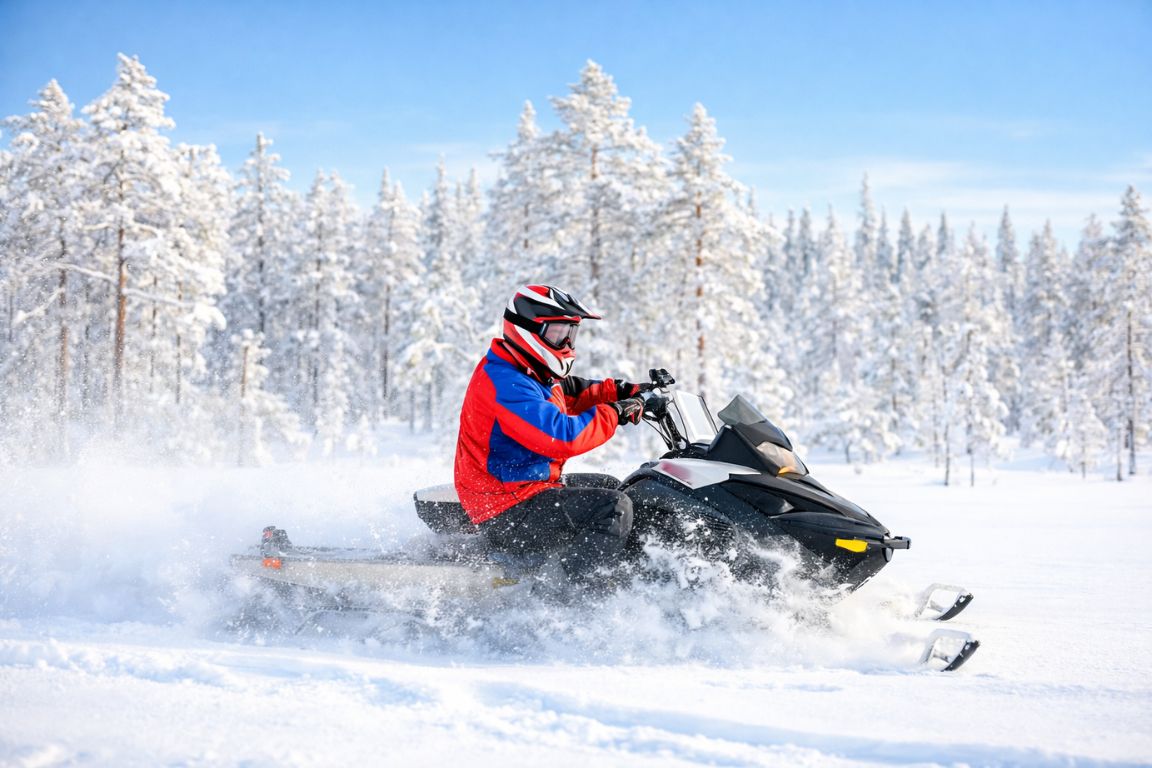
Winter activities focus on motorized guided experiences including dog sledding (€200-250), snowmobiling (€250-300), Northern Lights tours (€90-150), and whale watching November-January (€120-180).
Summer activities emphasize outdoor adventures including hiking (free trails), kayaking (€60-100), fishing (€80-150), midnight sun tours (€50-80), and wildlife viewing (birds, not whales).
Winter exclusive experiences include dog sledding interaction with huskies, snowmobile wilderness access, whale watching orca and humpback pods, and ice fishing frozen lakes.
Summer exclusive opportunities show hiking Tromsø’s 100+ trails, midnight sun hikes 11pm-2am, sea kayaking fjords, and extended outdoor comfort without cold limitations.
Table: Winter vs Summer Activities Comprehensive Matrix
| Activity Category | Winter Options | Cost Winter | Summer Options | Cost Summer | Year-Round Options | Best Season |
|---|---|---|---|---|---|---|
| Primary Phenomenon | Northern Lights tours | €90-150 | Midnight sun tours | €50-80 | None | Tie (both unique) |
| Dog/Animal | Dog sledding | €200-250 | Reindeer visit (limited) | €80-120 | None | Winter (dog sledding) |
| Motorized | Snowmobiling | €250-300 | None (no snow) | N/A | None | Winter only |
| Wildlife | Whale watching (Nov-Jan) | €120-180 | Bird watching, seals | €60-100 | Wildlife cruise | Winter (whales) |
| Hiking | Limited, technical gear needed | Equipment €200-400 | Extensive 100+ trails | Free | Cable Car €35 | Summer (accessible) |
| Water Activities | Ice fishing (limited) | €100-150 | Kayaking, fishing, boat tours | €60-150 | None practical | Summer (comfortable) |
| Photography Focus | Aurora, blue hour, stars | Gear €500-1500 | Midnight sun, landscapes, wildlife | Gear €300-800 | City, architecture | Tie (different) |
| Cultural/Indoor | Museums, Arctic Cathedral, dining | €30-80 | Same attractions | €30-80 | All museums/dining | Tie (same) |
| Skiing/Snow Sports | Cross-country, downhill nearby | €40-100 | None (no snow) | N/A | None | Winter only |
| Cycling | Impossible (ice) | N/A | City biking, trails | €15-25 rental | None winter | Summer only |
| Camping | Extreme (experts only) | Gear €500+ | Comfortable tent camping | Gear €200-400 | None practical winter | Summer (feasible) |
Dog sledding uniqueness provides interaction with enthusiastic huskies, traditional Arctic transport experience, and wilderness access impossible other ways creating winter highlight.
The snowmobiling adrenaline delivers speed, mountain access, and motorized Arctic adventure appealing to thrill-seekers though expensive and weather-dependent.
Whale watching exclusivity (November-January only) shows orcas and humpbacks following herring into fjords creating 70-85% success viewing magnificent marine mammals.
Hiking accessibility explosion during summer enables exploring 100+ trails ranging from easy coastal walks to challenging mountain ascents without technical gear.
Northern Lights photography challenges require learning manual camera settings, tripod technique, composition, and cold-weather equipment management versus simpler summer photography.
Midnight sun hiking enables unique 11pm-2am mountain ascents during golden-hour light creating surreal experiences impossible at lower latitudes.
The sea kayaking summer advantage shows calm fjord conditions, comfortable temperatures, wildlife viewing (seals, birds), and coastal perspectives inaccessible by land.
Fishing opportunities summer include sea fishing for cod and halibut (€80-150 guided) or freshwater lake fishing for Arctic char and trout.
Winter skiing shows limited downhill nearby (Tromsø Alpinsenter €40-60) with cross-country being more accessible though requiring equipment rental (€25-40 daily).
Cultural activities remain identical both seasons with Arctic Cathedral (€8-12), Fjellheisen Cable Car (€35), Polaria (€18), museums (€12-18) operating year-round.
The free activity advantage heavily favors summer with hiking, beach walks, city exploration being comfortable versus winter limiting outdoor time to 30-60 minute cold-exposure periods.
How Do Daylight Hours Affect the Experience?
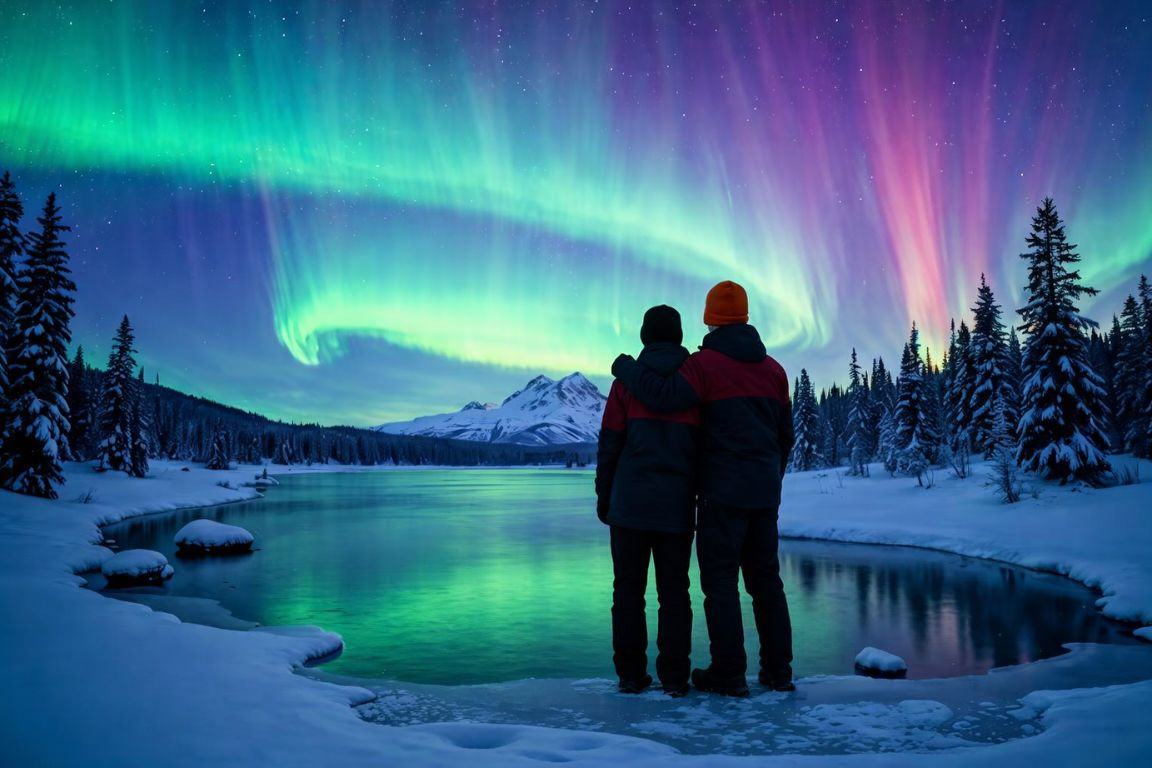
Polar night (November 21-January 21) creates 0-2 hours civil twilight with sun never rising, producing perpetual darkness enabling all-day Northern Lights viewing flexibility.
Midnight sun (May 20-July 22) generates 24-hour continuous daylight with sun circling horizon, creating surreal biological experience and extended activity opportunities.
Winter limited daylight (4-8 hours December-February) compresses sightseeing into 10am-4pm window requiring efficient itinerary planning and prioritization.
Summer endless daylight enables flexible scheduling with attractions, restaurants, and activities operating until 10-11pm accommodating late sleepers and spontaneous plans.
Check your travel date before arranging other plans. The 5–8-hour aurora hunt includes a warm meal, thermal suit and web-size photos. Check Your Tromsø Aurora Date
Table: Daylight Hours Impact Throughout Year
| Month | Sunrise | Sunset | Total Daylight | Civil Twilight | Usable Hours | Best Activities | Planning Impact |
|---|---|---|---|---|---|---|---|
| December | None | None | 0 hrs (polar night) | 11am-2pm (~3 hrs blue light) | 3 hrs twilight | Northern Lights all day, indoor activities | Compress sightseeing 11am-2pm |
| January | None-10am | 2pm-None | 0-4 hrs | 10am-3pm | 5 hrs usable | Northern Lights, limited sightseeing | Early starts essential |
| February | 9am | 5pm | 8 hrs | 8am-6pm | 10 hrs usable | Northern Lights evening, day activities | Balanced schedule |
| March | 7am | 7pm | 12 hrs | 6am-8pm | 14 hrs usable | Late aurora, full day sightseeing | Flexible timing |
| April | 5am | 9pm | 16 hrs | 4am-10pm | 18 hrs usable | No aurora, extended outdoor | Long productive days |
| May | 2am | Midnight | 22 hrs | All day | 24 hrs | Midnight sun approaching | Sleep management |
| June | Midnight | Midnight | 24 hrs (midnight sun) | All day | 24 hrs | Endless possibilities | Sleep crucial |
| July | Midnight | Midnight | 24 hrs (midnight sun) | All day | 24 hrs | Same as June | Blackout curtains |
| August | 4am | 10pm | 18 hrs | 2am-Midnight | 22 hrs usable | Extended daylight | Still very long |
| September | 6am | 8pm | 14 hrs | 5am-9pm | 16 hrs usable | Aurora returns evening | Balanced |
| October | 8am | 6pm | 10 hrs | 7am-7pm | 12 hrs usable | Early aurora season | Shortening fast |
| November | 10am-None | 2pm-None | 4-0 hrs | 9am-3pm declining | 6-3 hrs | Aurora focus, polar night coming | Compress activities |
Polar night photography advantage shows perpetual blue-hour light during 11am-2pm twilight creating unique atmospheric conditions impossible during normal day-night cycles.
The midnight sun biological disruption affects sleep with 24-hour daylight preventing natural melatonin production, requiring blackout curtains or eye masks for rest.
Winter compressed sightseeing shows 3-5 hour useful daylight windows (11am-3pm) requiring prioritizing outdoor attractions (Arctic Cathedral, Cable Car) during twilight versus indoor museums anytime.
Summer scheduling flexibility enables hiking departures at 9pm, restaurant dinners at 10pm, and midnight photography sessions without darkness constraints.
The winter blue hour magic during polar night creates 2-3 hours beautiful twilight with pink-purple-blue gradients perfect for photography though requiring timing coordination.
Summer golden hour extension shows sunrise/sunset periods lasting 3-4 hours each with low-angle sun creating ideal photography light versus brief 30-60 minute windows lower latitudes.
Activity timing winter requires coordinating outdoor experiences during 11am-3pm twilight maximizing limited light while scheduling Northern Lights tours 6pm-midnight darkness.
Restaurant timing summer shows dinner service extending 5-10pm with late reservations (9-10pm) being common versus winter 5-8pm compressed into limited social hours.
The energy level paradox shows winter darkness creating low energy and depression risk while summer endless daylight producing hyperactivity and exhaustion from overextension.
Seasonal affective disorder (SAD) during winter affects 20-30% of visitors experiencing temporary depression from darkness, requiring vitamin D supplements and light therapy for extended stays.
What Are the Cost and Crowd Differences?
Winter peak December-February commands highest accommodation (€140-200) with Christmas week (December 20-January 5) spiking to €180-250 representing 30-60% premiums.
Summer high season June-July maintains elevated pricing (€120-180) being 10-15% cheaper than winter though still expensive compared to shoulder seasons.
Winter crowds concentrate December-February with very high tourist numbers creating booking competition requiring 4-6 weeks advance reservations for quality properties.
Summer visitor levels June-July remain high though slightly less intense than winter peak, with 3-4 weeks advance booking being adequate versus 4-6 weeks winter.
For exact price breakdowns of accommodation, meals, activities, and transport, see our comprehensive guide on Tromsø’s costs with budget comparison by spending level.
Check your date before arranging other plans. Explore Tromsø through a three-hour guided food walk that includes local tastings, water, coffee and tea, with menus changing seasonally. Discover the Tromsø Food Walk
Table: Cost and Crowd Comparison by Season
| Factor | Winter (Dec-Feb) | Summer (Jun-Jul) | Spring (Mar-May) | Autumn (Sep-Nov) | Best Value | Why Different |
|---|---|---|---|---|---|---|
| Accommodation | €140-200 | €120-180 | €100-160 | €100-160 | Autumn (cheapest) | Winter highest demand |
| Christmas Week Premium | €180-250 | N/A | N/A | N/A | Avoid Christmas | Extreme peak |
| Tour Prices | €90-300 | €50-150 | €80-250 | €90-250 | Summer (lower range) | Winter motorized expensive |
| Restaurant Prices | Same year-round | Same year-round | Same year-round | Same year-round | No difference | Consistent pricing |
| Flight Costs | High (+30-50% vs shoulder) | High (+20-40% vs shoulder) | Medium | Medium (-25-30% vs peak) | Autumn (cheapest) | Demand-based |
| Overall Daily Budget | €150-300 | €130-250 | €110-220 | €110-220 | Spring/Autumn | Accommodation drives difference |
| Crowd Level | Very High | High | Low-Medium | Low-Medium | Spring/Autumn | Peak seasons busy |
| Booking Timeline | 4-6 weeks (8-12 Xmas) | 3-4 weeks | 2-3 weeks | 2-3 weeks | Shoulders flexible | Peak competition |
| Northern Lights Tour Availability | Full operation | None (no aurora) | Limited (Mar only) | Full operation (Sep-Nov) | Autumn (value) | Seasonal |
| Activity Cancellation Rate | 15-20% weather | 10-15% weather | 15-25% variable | 20-30% storms | Summer (most stable) | Weather patterns |
Winter accommodation premium reflects Northern Lights being primary Tromsø attraction driving demand with 60-70% of annual visitors concentrating November-February.
The Christmas week nightmare shows €180-250 accommodation (double shoulder rates) and 8-12 weeks booking requirements for mediocre properties during December 20-January 5.
Summer slight discount (€120-180 vs €140-200 winter) shows midnight sun attracting fewer visitors than Northern Lights despite being equally unique phenomenon.
Tour cost differences show winter motorized activities (dog sledding €200-250, snowmobiling €250-300) being expensive versus summer hiking (free) and kayaking (€60-100).
Flight pricing peaks both seasons though winter showing 30-50% premiums versus shoulder seasons while summer maintaining 20-40% premiums reflecting lower demand.
The overall daily budget calculation shows winter €150-300 (€140-200 accommodation, €90-300 activities, €50-80 food) versus summer €130-250 (€120-180 accommodation, €50-150 activities, €50-80 food).
Crowd intensity difference shows winter December-February with tour buses, full restaurants, and busy attractions versus summer being high but manageable with better flow.
Booking competition winter requires 4-6 weeks securing quality accommodation and preferred tour departures versus 3-4 weeks summer being adequate most circumstances.
The shoulder season value shows September-November and March-May offering 25-30% lower accommodation (€100-160) and fewer crowds though weather being variable.
Activity cancellation rates show winter 15-20% from extreme cold (-30°C) or storms, summer 10-15% being most stable, autumn 20-30% from frequent storm systems.
How Do Clothing and Packing Requirements Differ?
Winter extreme gear includes -30°C rated boots (€100-200), down jacket (€100-200), thermal base layers (€70-150), insulated pants (€60-120), and extensive accessories (€70-150).
Summer moderate clothing requires rain jacket (€80-200), warm mid-layer fleece (€40-80), thermal base layer light (€40-70), and regular hiking pants (€40-80).
Winter luggage challenge involves bulky items filling suitcases with boots, jacket, layers consuming space limiting other clothing and requiring larger bags.
Summer packing efficiency enables fitting everything in carry-on with compact rain gear and layers taking minimal space versus winter checked luggage necessity.
Packing for Arctic conditions can be overwhelming—our complete packing guide breaks down exactly what you need for winter (-20°C) versus summer (10-15°C) visits with priority rankings.
The husky outing supplies a thermal suit and snow boots. Check it on your actual travel date before buying or packing activity-specific gear around that inclusion. Check Your Husky Sledding Date
Table: Clothing and Packing Complete Comparison
| Item Category | Winter Requirements | Winter Cost | Summer Requirements | Summer Cost | Rental Option? | Can Skip? |
|---|---|---|---|---|---|---|
| Footwear | -30°C insulated boots, ice grip | €100-200 | Waterproof hiking boots | €80-150 | No | Winter no, summer maybe |
| Outerwear | -30°C down parka or equivalent | €100-200 | Waterproof rain jacket | €80-200 | Winter tours provide thermal suits | Summer no |
| Base Layers | Heavy thermal top/bottom | €70-150 | Light thermal or synthetic | €40-70 | No | Winter no, summer yes |
| Mid Layers | Fleece + insulated vest | €60-120 | Fleece or sweater | €40-80 | No | Winter no, summer for cool days |
| Pants | Insulated waterproof or ski pants | €60-120 | Hiking pants, jeans okay | €40-80 | Some tours provide | Winter on tours, summer yes |
| Gloves | Heavy mittens + liner gloves | €40-80 | Light gloves or none | €20-40 | Rarely provided | Winter no, summer yes |
| Hat | Thick wool, covers ears | €20-40 | Light beanie or none | €15-30 | No | Winter no, summer yes |
| Neck/Face | Balaclava or thick neck warmer | €15-30 | Light buff optional | €10-20 | No | Winter no, summer yes |
| Socks | Thick wool, 4-5 pairs | €30-60 | Normal hiking socks | €15-30 | No | No for either |
| Accessories | Hand/toe warmers, goggles | €30-50 | Sunglasses, sun hat | €20-50 | No | Winter hand warmers recommended |
| TOTAL INVESTMENT | €525-1,050 | If buying new | €385-790 | If buying new | Tours provide some winter | Winter much more expensive |
| Luggage Size | Large checked bag required | Weight 20-25kg | Carry-on possible | Weight 8-12kg | N/A | Winter needs more space |
Winter boot investment represents most critical item with -30°C rating being essential preventing frostbite on toes during extended outdoor exposure.
The thermal suit provision on winter tours (dog sledding, snowmobiling) reduces personal gear needs though base layers, gloves, and boots requiring personal purchase.
Summer rain jacket quality matters with cheap €30-50 options failing in constant rain versus quality €80-200 waterproof breathable shells maintaining comfort.
Layering system winter shows base layer (against skin) + fleece (warmth) + down jacket (insulation) + shell (wind/water) creating proper protection versus fewer summer layers.
The glove strategy winter involves thin liner gloves (€15-25) enabling camera operation under heavy mittens (€25-55) providing warmth versus summer going bare-handed.
Hand warmer economics shows chemical warmers (€1-2 each, 10-20 needed for week) costing €10-40 total being worthwhile comfort investment winter.
Boot rental limitation shows no commercial boot rental in Tromsø requiring purchasing or bringing from home, unlike ski boots being commonly rented.
The packing weight shows winter luggage reaching 20-25kg with bulky items versus summer 8-12kg fitting carry-on avoiding checked bag fees (€25-50 each way).
Gear ownership consideration shows whether investing €525-1,050 winter gear makes sense for single trip versus €385-790 summer being more reusable other destinations.
Rental clothing limitation shows some tour operators providing thermal suits (snowmobiling, whale watching) but gloves, boots, base layers requiring personal ownership.
What Are the Pros and Cons of Each Season?
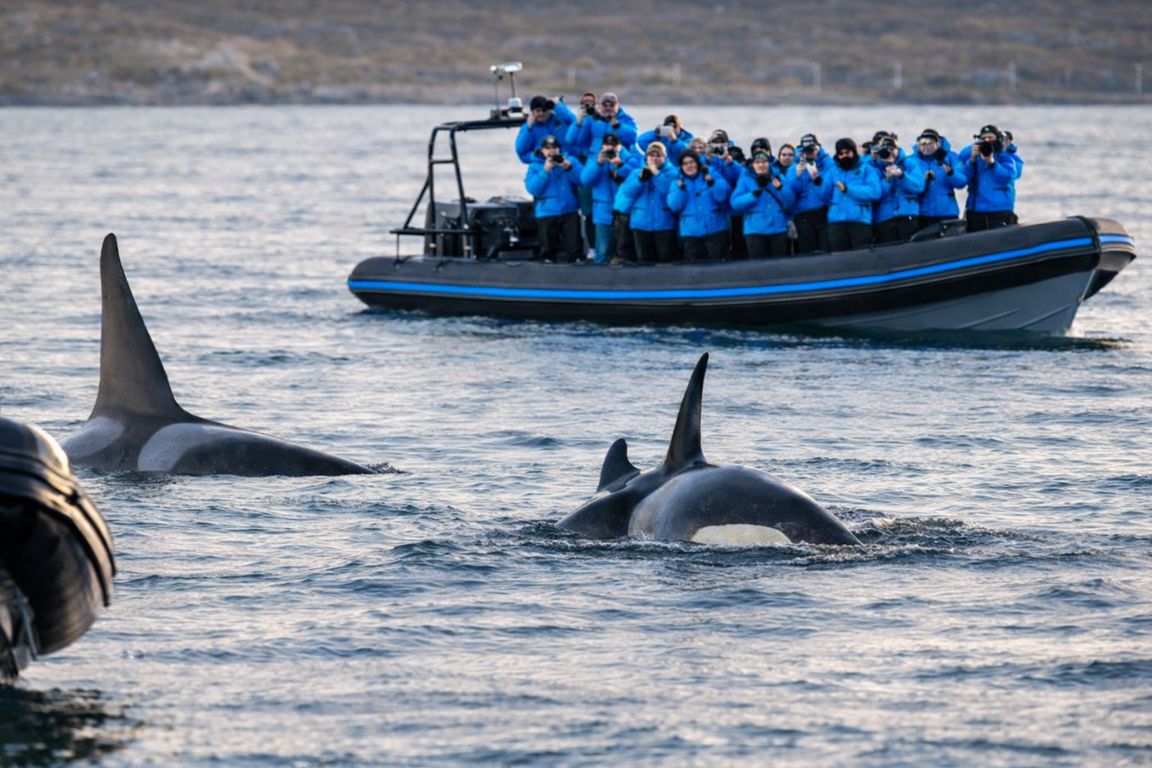
Winter pros include Northern Lights viewing (70-80% success), unique Arctic activities (dog sledding, snowmobiling, whale watching), magical polar night atmosphere, and Christmas markets.
Winter cons involve extreme cold (-20°C limiting outdoor time), expensive motorized activities (€200-300), highest accommodation costs (€140-200), and limited daylight (0-6 hours).
Summer pros show midnight sun phenomenon, comfortable temperatures (10-15°C), extensive free hiking, outdoor activities (kayaking, fishing), and longer daylight enabling flexibility.
Summer cons include no Northern Lights possibility, frequent rain (12-15 days monthly), sleep disruption from 24-hour daylight, and missing winter-exclusive activities.
Our comprehensive guide to the best months to see the Northern Lights in Tromsø ranks January through March with specific success rates, costs, and crowd levels for each month.
Check your date before arranging other plans. Explore a four-hour winter program combining reindeer sledding, feeding, Sámi storytelling, camp transfers and a warm lunch. Explore Tromsø Reindeer Sledding
Table: Complete Pros and Cons Analysis
| Season | Major Pros | Major Cons | Who Wins | Best For | Deal Breakers |
|---|---|---|---|---|---|
| Winter | – Northern Lights 70-80% success – Dog sledding unique experience – Whale watching Nov-Jan only – Polar night magical atmosphere – Christmas markets December – Snow-covered landscapes – Clear stable weather |
– Extreme cold -20°C – Limited daylight 0-6 hrs – Expensive activities €200-300 – Highest accommodation €140-200 – Bulky gear required €500-1000 – Short outdoor exposure tolerance – Seasonal affective disorder risk |
Northern Lights priority | – First-time Arctic visitors – Northern Lights seekers – Winter sports enthusiasts – Photography (aurora, blue hour) |
– Can’t tolerate extreme cold – Tight budget – Claustrophobia (darkness) – Need outdoor freedom |
| Summer | – Midnight sun 24hr daylight – Comfortable temps 10-15°C – Extensive free hiking – Outdoor activities accessible – Wildlife (birds, seals) – Flexible scheduling – Minimal gear needed |
– No Northern Lights possible – Frequent rain 12-15 days – Sleep disruption daylight – No whale watching – Missing winter activities – Higher UV exposure – Crowds still high Jun-Jul |
Outdoor activity priority | – Hikers and outdoor enthusiasts – Budget travelers (free activities) – Families with kids – Cold-averse visitors – Multi-activity seekers |
– Must see Northern Lights – Want whale watching – Need darkness for sleep – Dislike rain |
Northern Lights priority shows 60-70% of visitors choosing winter specifically for aurora viewing making it Tromsø’s signature attraction justifying cold and expense.
The midnight sun biological impact creates genuine sleep disruption requiring blackout curtains, eye masks, and melatonin supplements for sensitive visitors.
Dog sledding uniqueness provides experience unavailable other seasons making winter essential for visitors wanting husky interaction and traditional Arctic transport.
Hiking accessibility summer enables exploring 100+ trails from easy 1-hour walks to challenging 6-hour mountain ascents without technical gear or guides.
The budget consideration shows summer enabling €50-80 daily savings through free hiking versus €200-300 winter motorized activities creating significant cost difference.
Whale watching exclusivity (November-January only) makes early winter essential for marine mammal enthusiasts wanting orca and humpback encounters.
Cold tolerance variability shows some visitors thriving in -20°C finding it invigorating while others finding it unbearable limiting outdoor enjoyment.
Photography opportunities differ with winter enabling Northern Lights and blue-hour twilight versus summer’s golden-hour midnight sun and landscape opportunities.
The rain tolerance summer requires accepting 50-60% probability of rain during week-long visits with waterproof everything being essential not optional.
Christmas atmosphere December shows festive markets, decorations, and holiday spirit creating magical Arctic winter though commanding highest prices and crowds.
Which Season Is Best for Different Traveler Types?
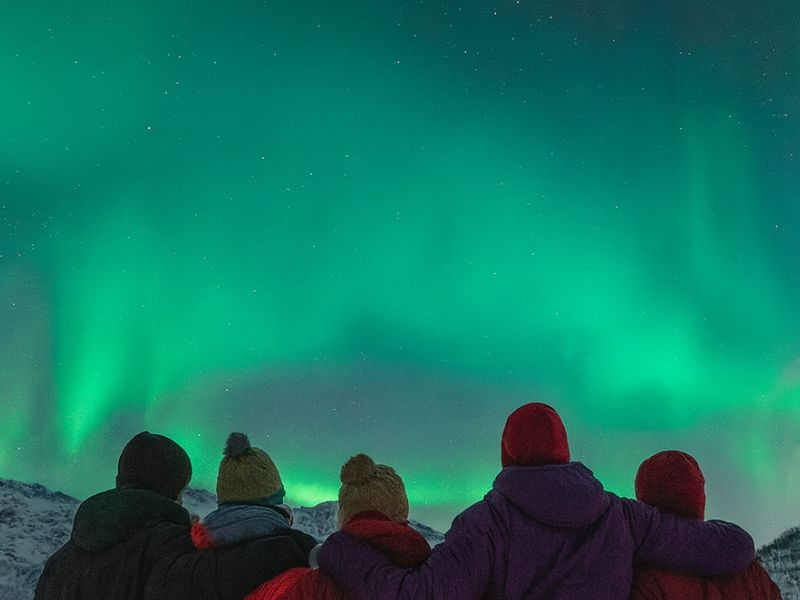
First-time Arctic visitors should choose winter if Northern Lights being primary motivation (60-70% choose winter) versus summer if outdoor activities and midnight sun priority.
Budget travelers benefit from summer’s free hiking and lower accommodation (€120-180 vs €140-200) plus avoiding expensive motorized winter activities (€200-300).
Families with kids favor summer with comfortable temperatures (10-15°C), outdoor freedom, and avoiding extreme cold gear expenses (€250-400 per child) required winter.
Photography enthusiasts split based on interests with aurora/landscape shooters choosing winter versus midnight sun/wildlife photographers preferring summer.
Which one should you book?
Not sure which season matches what you actually want? Pick your priority and see the real tour that fits it, before you dig into the full traveler-type table below.
Table: Best Season in Tromso by Traveler Profile
| Traveler Type | Recommended Season | Alternative | Why This Season | Budget Impact | Activity Priorities | Concerns |
|---|---|---|---|---|---|---|
| First-Time Arctic Visitors | Winter (if aurora priority) | Summer (if outdoor priority) | Northern Lights iconic Arctic experience | Higher (€150-300 daily) | Dog sledding, aurora, whale watching | Cold tolerance essential |
| Budget Travelers | Summer | Autumn shoulder | Free hiking, lower accommodation, no expensive tours | Lower (€100-200 daily) | Hiking, DIY activities, outdoor | Miss Northern Lights |
| Families with Kids | Summer | Late February (warmer) | Comfortable temps, outdoor freedom, kid-friendly | Medium (€200-400 family daily) | Hiking, Polaria, outdoor play | Winter gear cost per child |
| Serious Photographers | Winter (aurora) or Summer (midnight sun) | Both if possible | Unique phenomena each season | High (gear + travel) | Northern Lights or landscapes | Equipment challenges each |
| Outdoor Adventure Seekers | Summer | September shoulder | Hiking, kayaking, climbing, fishing | Medium (€130-250 daily) | Trails, water activities, wildlife | Rain frequency |
| Luxury Travelers | Winter | Either works | Premium experiences, tours, accommodation | Very High (€400-800 daily) | Best of everything, exclusivity | Cost not concern |
| Cold-Averse Visitors | Summer only | May/August shoulders | Cannot tolerate -20°C | Medium (€130-250 daily) | Outdoor activities, sightseeing | Miss Northern Lights entirely |
| Senior Travelers | Summer or Late February | September | Mobility easier comfortable temps | Medium (€150-280 daily) | Moderate activities, scenery | Winter mobility ice risk |
| Solo Travelers | Either (winter social tours) | Shoulder autumn | Winter tours social, summer hiking safe | Medium (€120-280 daily) | Tours or independent hiking | Winter lonely dark |
| Returning Visitors | Opposite season from first visit | Shoulder seasons | Experience both phenomena | Varies | See what was missed | Shoulder weather variable |
First-time Arctic priority shows Northern Lights being bucket-list experience for 60-70% making winter essential despite cold and expense.
Budget summer advantage shows €50-100 daily savings through free hiking (versus €200-300 winter tours) and lower accommodation (€120-180 vs €140-200).
Family summer benefits include avoiding €250-400 per child winter gear costs, comfortable outdoor play, and kid-friendly temperatures versus winter indoor confinement.
Photography split shows aurora photographers requiring winter while landscape/wildlife shooters preferring summer’s midnight sun and extended golden hours.
The outdoor adventure emphasis summer provides 100+ hiking trails, kayaking fjords, fishing opportunities, and climbing versus winter’s limited technical ice climbing.
Luxury indifference to cost shows both seasons offering premium experiences with winter dog sledding and fine dining versus summer helicopter tours and exclusive lodges.
Cold-averse necessity choosing summer since -20°C winter being genuinely dangerous for those unable to tolerate extreme cold or with circulation issues.
-20°C sounds like too much? You do not need winter cold to get a real Arctic day out on the water.
Senior mobility consideration favors summer with ice-free sidewalks and comfortable temperatures versus winter’s slippery conditions and restricted movement.
Solo traveler decision shows winter group tours providing social interaction versus summer independent hiking being safe and rewarding though potentially lonely.
Returning visitor strategy recommends experiencing opposite season from first visit gaining complete Tromsø perspective versus repeating same conditions.
FAQs
Choose a departure that fits your dates; natural conditions remain uncertain. The 5–8-hour aurora hunt includes a warm meal, thermal suit and web-size photos. Explore Aurora Hunt With Meal And Photos
Should I visit Tromsø in winter or summer?
Winter (December-February) if prioritizing Northern Lights (70-80% success), dog sledding (€200-250), whale watching (November-January), despite -20°C cold. Summer (June-July) if wanting midnight sun, hiking (free), comfortable 10-15°C temperatures, though no Northern Lights possible.
If whale watching decides the season, check the cruise on your actual travel date before arranging other plans; weather and whale movements affect both its route and sightings. Check Tromsø Whale-Watching Dates
Can you see Northern Lights in Tromsø in summer?
No, Northern Lights are impossible during summer (May-August) due to 18-24 hour daylight overwhelming aurora displays despite them technically occurring overhead invisible in bright conditions.
Visiting in the bright summer months? Explore Sommarøy’s islands by road with a salmon picnic and photos; this is daytime sightseeing, not an aurora outing. Explore The Sommarøy Day Trip
What is better, Tromsø polar night or midnight sun?
Different unique experiences: polar night (November 21-January 21) enables all-day Northern Lights viewing and magical darkness, midnight sun (May 20-July 22) provides 24-hour endless activities and surreal daylight.
Is Tromsø too cold in winter?
Winter averages -10°C to -15°C (lows -18°C to -25°C) being genuinely cold requiring extreme gear (€500-1000 investment), limiting outdoor exposure to 30-60 minutes, though manageable with proper clothing and planning.
Discover what fits this part of your trip. The four-hour husky outing includes kennel transfers, an Arctic suit and winter boots. Explore Self-Drive Husky Adventure On Kvaløya
What is the cheapest time to visit Tromsø?
September-October and April-May shoulder seasons offer 25-30% lower accommodation (€100-160 vs €140-200 peak) and fewer crowds, with September providing best value combining aurora potential with autumn beauty.
How many hours of daylight does Tromsø have in winter?
December-January polar night: 0-2 hours twilight (no sunrise/sunset). February: 6-8 hours. November: 4-6 hours declining. March: 12 hours transitional with aurora still visible evenings.
Discover a three-hour city food walk starting by the Arctic Hunter monument, with guided tastings and warm drinks included. Discover the Tromsø Food Walk
How to Decide Between Winter and Summer Visit
Prioritize Northern Lights if aurora viewing being primary bucket-list motivation choosing December-February peak season accepting -20°C cold and €140-200 accommodation.
Choose summer if preferring comfortable temperatures (10-15°C), extensive free hiking (100+ trails), outdoor activity independence, and avoiding extreme cold gear investment (€500-1000).
Consider both seasons if time and budget allowing, experiencing complete Arctic duality of polar night darkness and midnight sun daylight creating comprehensive understanding.
Evaluate budget constraints with summer saving €50-100 daily through free hiking and lower accommodation versus winter’s expensive motorized activities (€200-300) and peak pricing.
Assess cold tolerance honestly since -20°C winter being genuinely challenging for cold-averse visitors versus comfortable 10-15°C summer suiting broader range.
Research specific interests whether dog sledding, whale watching, snowmobiling requiring winter or hiking, kayaking, fishing necessitating summer.
Plan shoulder season compromise through September-October (aurora beginning, 25-30% cheaper, autumn colors) or March (aurora ending, twilight beauty, returning daylight).
Book 4-6 weeks December-February winter peak or 3-4 weeks June-July summer high season securing quality accommodation and preferred tour dates.
Avoid Christmas week (December 20-January 5) if budget-conscious since €180-250 accommodation and 8-12 weeks booking representing poor value despite identical conditions.
For optimized seasonal planning and Arctic experiences, explore comprehensive options at / where we guide winter and summer adventures.
Glossary
- Polar Night: November 21-January 21 period when sun never rises creating 0-2 hours twilight maximum and perpetual darkness enabling all-day aurora viewing.
- Midnight Sun: May 20-July 22 period when sun never sets creating 24-hour continuous daylight circling horizon producing surreal endless day.
- Civil Twilight: Dim ambient light period when sun below horizon but illuminating sky, occurring 11am-2pm December polar night creating blue-hour photography.
- Windchill: Perceived temperature combining air temperature and wind speed, with -15°C ambient becoming -25°C to -30°C perceived at 15 km/h winds.
- Shoulder Season: March-May and September-November transitional periods offering 25-30% lower costs though variable weather between peak winter and summer.
Choose a departure that fits your dates; natural conditions remain uncertain. The 5–8-hour aurora hunt includes a warm meal, thermal suit and web-size photos. Explore Aurora Hunt With Meal And Photos
Key Takeaways
- Winter (December-February) provides Northern Lights viewing 70-80% success over 3-4 nights, polar night darkness 0-6 hours daylight (November 21-January 21 zero sunrise), dog sledding €200-250, snowmobiling €250-300, whale watching November-January only €120-180, temperatures -10°C to -20°C requiring extreme -30°C gear costing €500-1000 investment.
- Summer (June-July) offers midnight sun 24-hour continuous daylight May 20-July 22, hiking 100+ free trails, kayaking €60-100, fishing €80-150, temperatures 10-15°C comfortable with rain jacket essential (12-15 precipitation days monthly).
- Winter costs €140-200 accommodation peak highest plus expensive motorized activities creating €150-300 daily budgets versus summer €120-180 accommodation plus free hiking enabling €130-250 daily.
- Daylight extremes: winter 0-6 hours compressing sightseeing 11am-2pm twilight versus summer 18-24 hours enabling midnight hiking and flexible scheduling. Winter exclusive: dog sledding husky interaction, snowmobile wilderness, whale watching orca/humpback pods, polar night all-day aurora viewing. Summer exclusive: extensive hiking, midnight sun 11pm-2am golden hour, sea kayaking, comfortable outdoor freedom. Both seasons crowded requiring 4-6 weeks winter or 3-4 weeks summer advance booking.
- Winter activities motorized guided €120-300 versus summer outdoor independent free or €60-150. Photography different: winter Northern Lights, blue hour, stars requiring tripod €500-1500 gear versus summer midnight sun landscapes €300-800 equipment.
- Weather: winter stable cold high-pressure clear (30-35% cloud-free) versus summer variable maritime rain frequent (25-35% fog).
- Clothing: winter extreme -30°C boots €100-200, down jacket €100-200, thermal layers €70-150, bulky checked luggage versus summer rain jacket €80-200, fleece €40-80, carry-on possible.
- Cultural activities identical year-round: Arctic Cathedral €8-12, Cable Car €35, Polaria €18, museums €12-18. First-timers choose winter if aurora priority (60-70% do), summer if outdoor/hiking focus.
- Budget travelers favor summer for free hiking and lower costs €50-100 daily savings. Families prefer summer comfortable 10-15°C avoiding winter child gear €250-400 each. Cold-averse must choose summer since -20°C dangerous for intolerant.
- Shoulder seasons: September-October best value 25-30% cheaper (€100-160 accommodation) with 50-65% aurora success plus autumn colors, March transitional 60-70% aurora with returning 12-hour daylight creating twilight beauty. Christmas week December 20-January 5 avoid if budget-conscious (€180-250 accommodation double rates).
- Northern Lights impossible summer April-August due 18-24 hour daylight. Midnight sun disrupts sleep requiring blackout curtains. Plan complete seasonal experiences at /.
Written by Erik Johansen, Tromsø tour guide for the past 15 years, specializing in seasonal Arctic experiences and helping visitors choose optimal timing.
Check Your Tour Date
Planning an aurora evening? Check your Tromsø date before arranging dinner or other plans; this guided hunt includes a warm meal, thermal suit and web-size souvenir photos.
Adjust activity, timing or group needs
General recommendations: confirm dates and group requirements
In summer, experience the midnight sun independently from the city or a suitable public viewpoint when skies allow, then use the long daylight for self-guided walks or condition-appropriate hikes. In either season, combine free city exploration with year-round sights and book only the guided activity that solves a transport, equipment or access need.
Compare Your Group’s Real Costs
Use current quotes in the same currency. Include transport, fuel, parking and equipment in your DIY total. Include all participants and extras in the tour total.
Booking takes place with the provider. Prices, exact departures and available options are shown there. We may earn a commission when you book through these links.