Tromsø Northern Lights Tours vs DIY Chasing
Northern Lights tours (€90-150, 65-75% success) vs DIY (€50-100 car, 40-50% success): which suits you? Compare costs, expertise, winter driving. Tromsø 2026 guide
Last updated: August 31, 2026
TL;DR
Guided Northern Lights tours (€90-150 per person, 6-8 hours) provide expert guides who chase clear skies, handle all logistics, offer photography assistance, and deliver 65-75% success rates over Arctic winter. DIY chasing requires rental car (€50-100 daily), winter driving skills, aurora forecasting knowledge, own camera equipment, and familiarity with safe viewing locations, offering complete freedom but demanding significant preparation. Tours make sense for most visitors lacking winter driving experience, aurora knowledge, or photography expertise, while DIY works for experienced photographers, groups of 4+ splitting car costs (€12-25 each vs €90-150 per tour), and confident winter drivers wanting location flexibility. Key differences: guides monitor weather and KP index constantly finding optimal spots versus your amateur forecasting, professional photography assistance versus trial-and-error learning, heated buses with hot drinks versus sitting in cold cars, social tour atmosphere versus private experiences. Tours include transport, guide expertise, photography tips, warm clothing often, and backup dates if weather fails. DIY requires researching dark sky locations, understanding aurora science, winter tires and driving skills, bringing own warm gear and camera equipment. Success rates favor tours at 65-75% due to guide expertise versus 40-50% DIY for beginners. Total costs: tours €90-150 per person single night, DIY €80-150 first night (car rental, gas, parking) dropping to €30-50 subsequent nights as car cost spreads.
5–8 hours for aurora hunt with meal and photos. Book The Aurora Hunt
Three named tours cover most of what this comparison argues for. Here is how they line up before the detailed breakdown.
Discover what fits this part of your trip. The minibus aurora chase includes warm suits, camera-setting help and high-resolution photos. Explore Small-Group Aurora Chase With HD Photos
What Do Northern Lights Tours Include?
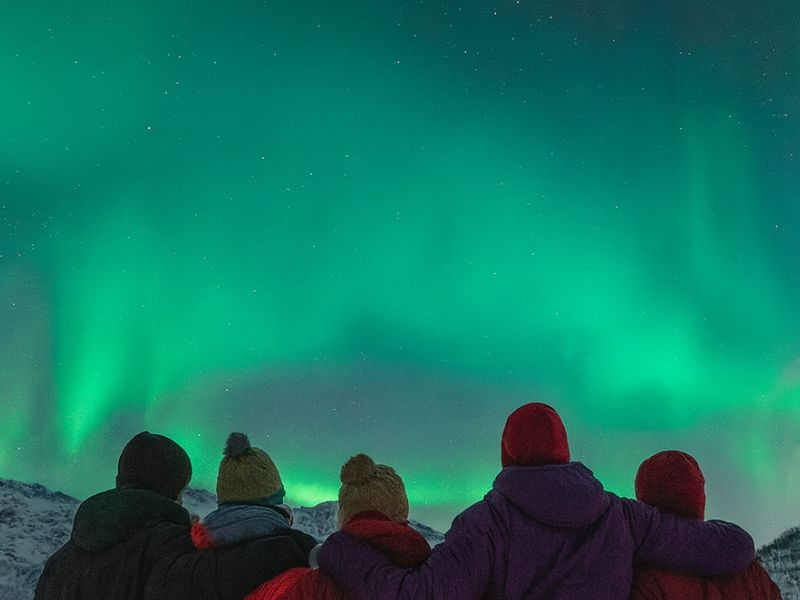
Professional guides with years of aurora experience constantly monitor weather forecasts, KP index predictions, and cloud cover satellite data to determine optimal viewing locations each night.
Transportation in heated buses or vans drives 50-200km from Tromsø seeking clear skies and active aurora displays, with guides making real-time route adjustments based on changing conditions.
Photography assistance helps guests with camera settings (typically 15-20 second exposures, f/2.8 aperture, ISO 1600-3200), composition advice, and often group photos with Northern Lights backdrop.
Hot drinks including coffee, tea, and sometimes traditional Norwegian snacks or soup provide warmth during 2-4 hour outdoor viewing sessions in -10°C to -20°C (-5°F to -15°F) conditions.
Table: What’s Included in Northern Lights Tours
| Included Item | Typical Tours | Premium Tours | Value | DIY Equivalent |
|---|---|---|---|---|
| Expert Guide | Yes | Yes, smaller groups | High – years of experience | Your amateur knowledge |
| Transportation | Heated bus/van | Luxury van, smaller groups | High – no driving stress | Rental car €50-100/day |
| Weather Monitoring | Constant checking | Real-time pro tools | Very High – optimal spots | Free apps, learning curve |
| Photography Help | Basic settings advice | Dedicated photo instruction | High for beginners | YouTube tutorials |
| Warm Clothing | Sometimes thermal suits | Always provided | Medium – saves packing | Must bring own |
| Hot Drinks | Coffee, tea | Gourmet drinks, snacks | Low-Medium | Thermos €15-30 |
| Campfire Experience | Sometimes | Often included | Medium – atmosphere | Can build own |
| Group Photos | Usually | Professional photos | Medium | Tripod + self-timer |
| Backup Rebooking | Often if no aurora | Guaranteed rebooking | High – second chance | Lose money, rebook self |
| Hotel Pickup/Dropoff | Yes | Yes | High – convenience | Drive yourself |
Tour guides typically have 5-15+ years of Northern Lights experience with intimate knowledge of 20-30 viewing locations around Tromsø offering varied terrain and backup options.
The weather monitoring advantage is enormous, with guides checking professional forecasting tools every 30-60 minutes and communicating with other guides about real-time conditions.
Photography assistance ranges from basic “use these settings” to dedicated workshops teaching composition, foreground elements, and post-processing techniques depending on tour type.
Thermal suits provided by many operators save packing bulky winter gear and ensure guests stay warm during multi-hour outdoor sessions in extreme cold.
The social experience of sharing aurora sightings with fellow travelers creates memorable group excitement impossible to replicate on solitary DIY chases.
Most tours operate 6-8 hours total including 2-3 hours driving, 2-4 hours at viewing locations, with guides extending or shortening based on aurora activity and guest comfort.
What Does DIY Northern Lights Chasing Require?
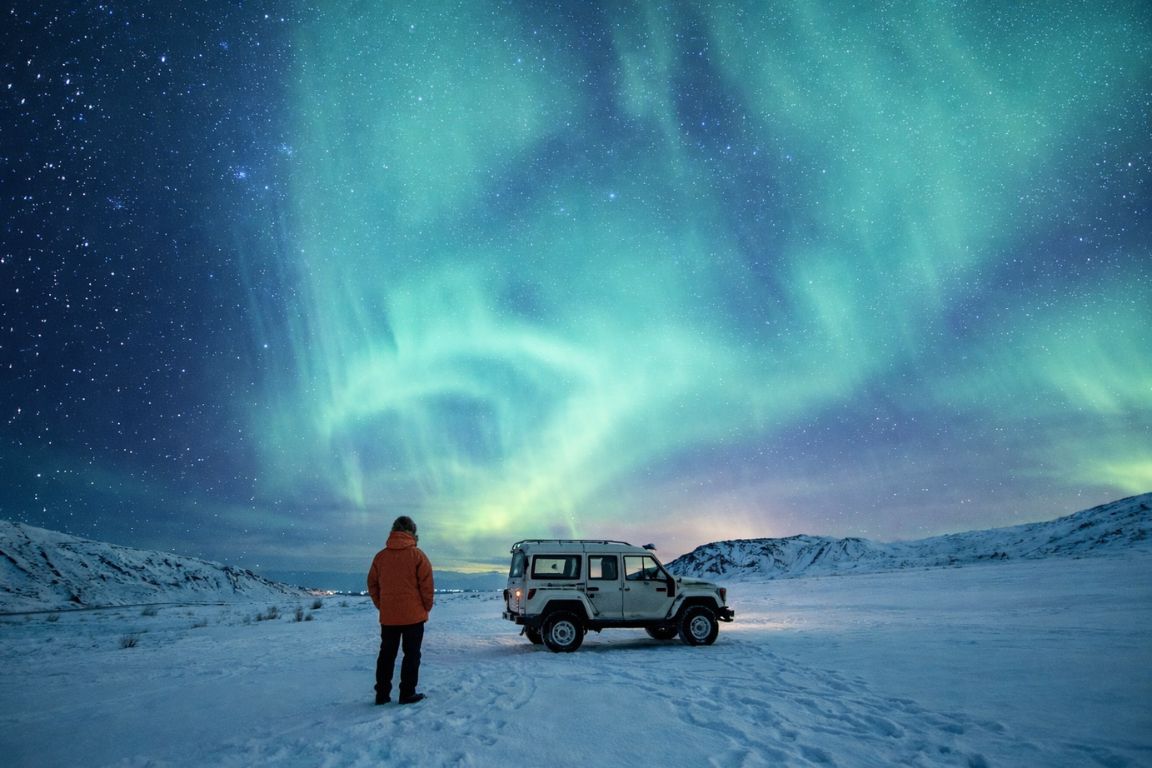
Rental car (€50-100 daily) with winter tires and snow/ice driving capability provides the transportation foundation, requiring comfort navigating dark unfamiliar roads in winter conditions.
Aurora forecasting knowledge using apps like My Aurora Forecast, Norway Lights, or websites showing KP index, cloud cover, and aurora oval predictions determines when and where to chase.
Camera equipment including DSLR or mirrorless with manual controls, wide-angle lens (f/2.8 or faster), sturdy tripod, and spare batteries that drain rapidly in extreme cold.
Table: DIY Northern Lights Requirements Complete Checklist
| Requirement | Cost | Difficulty to Acquire | Consequence if Missing | Can Learn/Buy Locally? |
|---|---|---|---|---|
| Rental Car Winter | €50-100/day | Easy to rent, hard to drive | Can’t reach dark locations | Yes – airport/city |
| Winter Driving Skills | Free (if you have) | Hard – requires experience | Dangerous accidents | No – need prior experience |
| Aurora Forecasting Knowledge | Free (apps) | Medium – learning curve | Miss optimal nights/locations | Yes – apps/research |
| Dark Sky Locations | Free (research) | Medium – need local knowledge | Poor viewing, light pollution | Yes – online research |
| Camera + Lens | €800-2000+ owned | Easy to buy, hard to master | Phone photos only (poor) | Yes – expensive locally |
| Tripod Sturdy | €30-150 | Easy | Blurry photos | Yes (€40-100) |
| Warm Winter Clothing | €200-500+ | Easy to buy | Hypothermia risk, cut sessions short | Yes – very expensive |
| Spare Camera Batteries | €40-80 each | Easy | Camera dies quickly in cold | Yes (expensive) |
| Headlamp Red Light | €20-50 | Easy | Ruin night vision | Yes (€30-60) |
| Emergency Supplies | €30-60 | Easy | Stranded in remote areas | Yes |
| Offline Maps | Free (download) | Easy | Get lost no cell service | Yes – download before |
| Coffee/Snacks | €10-20 | Easy | Cold, uncomfortable | Yes – supermarkets |
Winter driving in Arctic Norway demands experience with snow, ice, black ice, and darkness, with roads often unlit, narrow, and winding through mountains.
Aurora forecasting requires understanding KP index (0-9 scale of geomagnetic activity), cloud cover predictions, aurora oval position, and real-time solar wind data.
Knowing good viewing locations means researching 10-15 dark sky spots at varying distances and directions from Tromsø, providing options when clouds block specific areas.
Camera settings for Northern Lights typically use 15-25 second exposures, f/2.8 or wider aperture, ISO 1600-3200, manual focus on infinity, and RAW format for post-processing flexibility.
Emergency preparedness matters since you’ll be in remote locations where help takes 30-60+ minutes if cars break down, weather deteriorates, or accidents occur.
The learning curve is steep with first-time DIY chasers often frustrated by blurry photos, poor location choices, misread forecasts, and uncomfortable cold reducing session length.
Experienced photographers and confident winter drivers find DIY chasing rewarding and cost-effective, while beginners face expensive gear investment and frustrating learning period.
How Do Success Rates Compare Between Tours and DIY?
Guided tours achieve 65-75% Northern Lights sighting rates across the season, with experienced guides’ expertise in weather interpretation and location selection maximizing success.
DIY beginners experience 40-50% success rates due to limited location knowledge, amateur weather forecasting, and tendency to give up too early when initial spots prove cloudy.
Experienced DIY chasers with proper knowledge and equipment reach 60-70% success rates matching tours, though requiring years of practice building local expertise.
Table: Success Rate Comparison Tours vs DIY
| Experience Level | Success Rate | Why This Rate | Photography Success | Weather Adaptation | Optimal Location Finding |
|---|---|---|---|---|---|
| Guided Tour | 65-75% | Expert guides, pro forecasting, location knowledge | 70-80% with guide help | Excellent – constant monitoring | Excellent – years of spots |
| First-Time DIY | 30-40% | No experience, amateur forecasting, poor locations | 20-30% (learning curve) | Poor – limited understanding | Poor – generic online spots |
| Intermediate DIY (1-2 trips) | 40-50% | Some experience, better forecasting, known spots | 40-50% (improving) | Fair – learning tools | Fair – 5-10 known locations |
| Experienced DIY (3+ trips) | 60-70% | Years of practice, excellent forecasting, local knowledge | 70-80% (mastered settings) | Very Good – pro tools used | Very Good – 20+ locations |
| Professional Photographer DIY | 70-80% | Mastered all aspects, best equipment, dedication | 90%+ (professional quality) | Excellent – full dedication | Excellent – exhaustive research |
Tour guides make split-second decisions to move locations when clouds approach, driving to backup spots 50-100km away that DIY chasers often don’t know exist.
The “sighting rate” measures seeing Northern Lights at all, while photography success requires additional technical skills many guests lack even when aurora appears.
First-time DIY attempts commonly fail because beginners stay at single locations hoping clouds clear rather than driving to alternative spots like experienced guides do.
Groups booking multi-night tours benefit from guide commitment to find aurora across 2-3 attempts, versus single-night DIY where one cloudy evening ends your opportunity.
Weather remains the ultimate variable affecting everyone equally, with completely overcast nights preventing sightings for both tours and DIY regardless of expertise.
The cumulative success over 3-4 nights pushes tour participants to 85-90% probability of seeing Northern Lights at least once, making multi-night stays critical.
What Are the Cost Differences Between Tours and DIY?
Single-person DIY costs €80-120 nightly including rental car (€50-80 split over trip), gas (€20-30), parking (€10+), making it more expensive than €90-150 tours offering better expertise.
Groups of 4+ benefit dramatically from DIY with €50-100 daily car costs splitting to €12-25 per person, significantly undercutting €90-150 per-person tour rates.
Multi-night DIY spreads the rental car cost over multiple evenings (€50-100 total divided by 3-4 nights) versus paying €90-150 per person per tour night.
For exact price breakdowns of accommodation, meals, activities, and transport, see our comprehensive guide on Tromsø’s costs with budget comparison by spending level.
Table: Complete Cost Comparison Tours vs DIY
| Scenario | Tour Cost | DIY Cost | Winner | Breakeven Point | Notes |
|---|---|---|---|---|---|
| Solo Traveler, 1 Night | €90-150 | €100-150 (car €60, gas €25, parking €15) | Tour | N/A | DIY more expensive + harder |
| Solo Traveler, 3 Nights | €270-450 (3 tours) | €160-230 (car €60/night avg, gas €70, parking €30) | DIY | 2-3 nights | If you have skills |
| Couple, 1 Night | €180-300 (2 people) | €100-150 (shared car) | DIY | Immediately | If experienced |
| Couple, 3 Nights | €540-900 (2 people, 3 tours) | €160-230 (shared costs) | DIY heavily | Immediately | Major savings |
| Group of 4, 1 Night | €360-600 (4 people) | €100-150 (€25-40 each) | DIY heavily | Immediately | Huge savings |
| Group of 4, 3 Nights | €1080-1800 | €160-230 (€40-60 each) | DIY overwhelmingly | Immediately | Massive savings |
Solo travelers rarely benefit financially from DIY since paying full rental car costs (€50-100 nightly) exceeds or matches tour prices without gaining guide expertise.
The cost crossover happens around 2 people where DIY becomes competitive if you possess winter driving skills and aurora knowledge, eliminating tour expertise premium.
Large groups (4-6+ people) save hundreds of euros via DIY with rental car and gas costs dividing dramatically, though still requiring driver confidence and preparation.
Hidden DIY costs include camera equipment (€800-2000+ if buying), warm clothing rental if needed (€30-50 daily), and potential towing/accident costs in remote areas.
Tour costs appear higher per person but include expertise, transportation, photography assistance, and often warm clothing rental, bundling services DIY chasers must provide themselves.
First-time visitors should calculate total DIY costs including equipment purchases or rentals before assuming it’s cheaper than tours, as startup costs often exceed tour pricing.
Budget-conscious groups of 4+ with existing winter driving experience and camera gear find DIY delivering massive savings (€40-60 per person total vs €270-450 per person on tours across 3 nights).
What Photography Advantages Do Tours Offer?
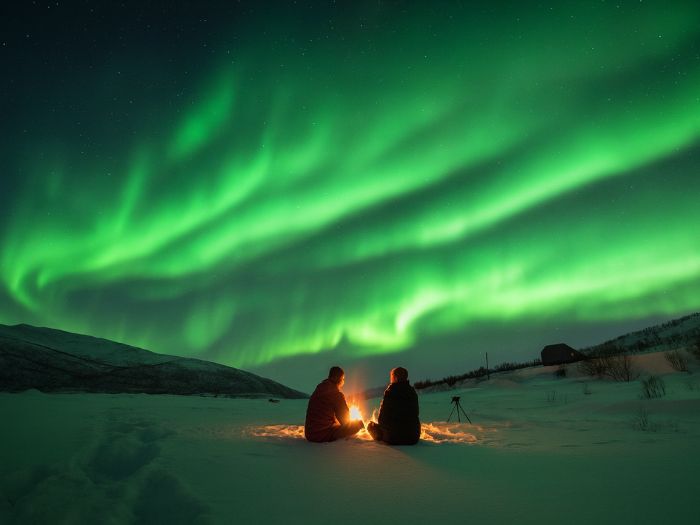
Tour guides provide helping beginners achieve sharp aurora photos instead of fumbling with manual modes during precious viewing time.
Group photo services mean everyone appears in Northern Lights photos versus DIY solo travelers struggling with tripod self-timers or missing photos entirely.
Guides know optimal foreground compositions using trees, mountains, or frozen lakes creating compelling images rather than generic aurora-only shots lacking depth.
Find the best photo spots for Northern Lights with our detailed location guide featuring GPS coordinates, Bortle scale ratings, accessibility assessments, and composition strategies for each spot.
Table: Photography Tours vs DIY Comparison
| Photography Aspect | Guided Tours | DIY Chasing | Winner | Why |
|---|---|---|---|---|
| Camera Settings Help | Immediate expert advice | YouTube/trial-and-error | Tours | Beginners waste time fumbling |
| Composition Advice | Guide shows foreground spots | Must research/discover | Tours | Years of location knowledge |
| You in the Photo | Guide/group helps | Tripod self-timer struggles | Tours | Everyone wants proof they were there |
| Professional Photos | Often included/available | Must capture own | Tours | Guaranteed quality keepsakes |
| Time Efficiency | Settings dialed immediately | 30-60 min learning curve | Tours | More time actually viewing |
| Backup if Photos Fail | Reshoot next location | Photos gone forever | Tours | Multiple location attempts |
| Foreground Elements | Guide selects perfect spots | Generic roadside shots | Tours | Composition makes photos |
| Equipment Flexibility | Works with phones/basic cameras | Needs good DSLR/mirrorless | DIY | Full manual control |
Photography workshops (€150-250) specifically teach aurora photography with dedicated instruction on composition, settings, and post-processing versus basic tours offering brief settings advice.
The group dynamic means fellow travelers take photos of you with Northern Lights, impossible on solo DIY missions unless you master complicated tripod self-timer setups.
Guides position groups at optimal foreground locations using rocks, trees, or frozen lakes creating depth and interest versus tourists parking randomly along roads shooting blank skies.
Professional photos from some premium tours provide guaranteed quality images even if your own attempts fail, worth the premium for once-in-lifetime visitors.
Phone cameras now capture decent Northern Lights photos with night modes on recent iPhones and Samsung Galaxy models, though DSLR/mirrorless still produce superior results.
The time wasted on DIY figuring out camera settings means 30-60 minutes of precious viewing time spent in menus instead of experiencing the actual aurora display.
Experienced photographers prefer DIY for complete creative control, unlimited composition experimentation, and ability to stay at locations as long as desired chasing perfect shots.
What Are the Winter Driving Challenges for DIY?
Norwegian E-roads through mountains feature winding curves, steep grades, and limited guardrails with darkness creating disorienting conditions for drivers unfamiliar with terrain.
Black ice forms invisibly on roads creating zero-traction surfaces that cause vehicles to slide uncontrollably, particularly dangerous on curves and hills.
Limited cell coverage in remote areas 30-100km from Tromsø means breakdowns or accidents leave you stranded potentially hours before help arrives.
Compare seasons directly in our Tromsø winter vs summer guide covering temperatures, unique activities, and budget differences.
Table: Winter Driving Challenges in Arctic Norway
| Challenge | Frequency | Danger Level | Skills Required | Prevention | Consequence if Unprepared |
|---|---|---|---|---|---|
| Snow/Ice on Roads | Constant (Dec-Apr) | High | Winter tire experience | Slow speeds, winter tires mandatory | Slide off road, accident |
| Black Ice | Common (below -5°C) | Very High | Advanced driving skills | Extreme caution, slow speeds | Complete loss of control |
| Poor Visibility | Common (snowfall/darkness) | High | Confidence in darkness | Headlights, slow speeds | Disorientation, accidents |
| Narrow Mountain Roads | Common outside cities | Medium | Steady nerves | Slow speeds, awareness | Collision with oncoming traffic |
| Wildlife (Reindeer/Moose) | Occasional | Very High | Quick reactions | Vigilance, speed limits | Severe accidents, animal strikes |
| Limited Cell Service | Frequent (remote areas) | Medium-High | Self-reliance | Offline maps, emergency supplies | Stranded without help |
| Road Closures | Occasional (storms) | Medium | Flexibility | Check road conditions | Stranded or long detours |
| Parking on Ice | Common at viewpoints | Medium | Winter parking skills | Parking brake consideration | Car slides away |
Reindeer and moose frequently cross roads at night with collisions causing severe vehicle damage and potential injuries, requiring constant vigilance scanning roadsides.
Winter tires (studded or friction) are mandatory in Norway November-April with rental cars equipped properly, though tires alone don’t substitute for winter driving experience.
The psychological stress of navigating unfamiliar dark icy mountain roads while passengers pressure you to drive faster searching for Northern Lights degrades decision-making.
Some viewing locations require short walks across icy surfaces or snow-covered terrain to reach optimal spots away from roadside light pollution.
Norwegian police strictly enforce speed limits and drunk driving laws with severe penalties, making responsible navigation critical despite urgency chasing aurora displays.
Many popular Northern Lights locations near Tromsø are well-maintained and relatively safe, though backup spots requiring mountain driving present serious challenges for inexperienced drivers.
Experienced winter drivers from Nordic countries, Canada, or northern US states handle Arctic driving confidently, while those from temperate climates often underestimate the danger.
When Does DIY Make Sense vs Tours?
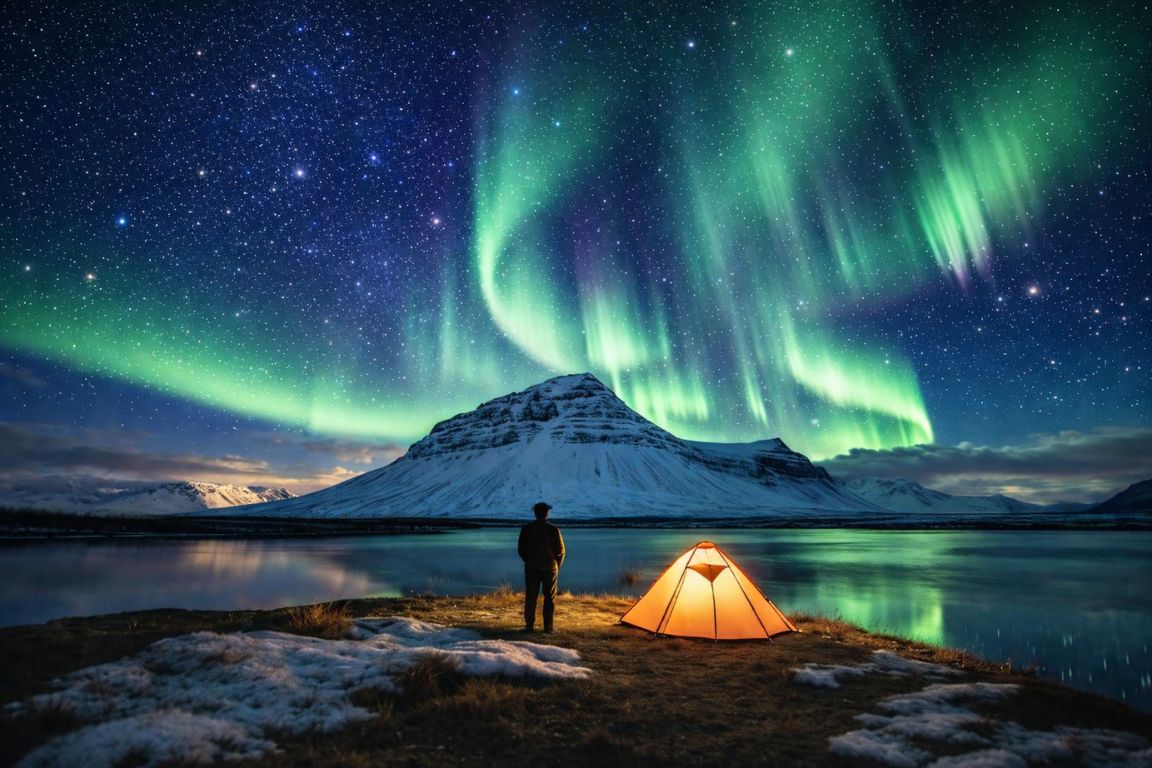
DIY works for experienced winter drivers with proper aurora knowledge who want complete location flexibility and are comfortable navigating Arctic conditions independently.
Groups of 4+ people benefit financially from DIY with rental car costs splitting to €12-25 per person versus €90-150 tour rates, though requiring qualified driver in the group.
Dedicated photographers need DIY for unlimited composition time, creative control, and ability to stay at locations hours perfecting shots versus tour time constraints.
Traveling alone? Our complete guide to Tromsø for solo travelers covers safety (exceptionally high), meeting people strategies, single accommodation costs, and activities where solo travel works best.
Table: Who Should Choose Tours vs DIY
| Traveler Type | Best Choice | Why | Cost Impact | Success Probability |
|---|---|---|---|---|
| First-Time Arctic Visitor | Tours | No experience, safety, expertise | Pay premium for knowledge | High (65-75%) |
| Solo Traveler | Tours | Cost similar, safer, social | Similar or cheaper | High (65-75%) |
| Couples No Winter Experience | Tours | Safety, no driving stress | Worth premium for comfort | High (65-75%) |
| Groups 4+ Experienced | DIY | Major cost savings | €40-60 vs €270-450 per person | Medium-High if skilled (60%) |
| Photographers Serious | DIY | Creative control, time flexibility | Equipment cost justified | High if experienced (70%) |
| Winter Driving Experts | DIY | Comfortable conditions, flexibility | Saves money | High if knowledgeable (65%) |
| Budget Travelers Experienced | DIY | Cost savings if skilled | Significant savings | Medium (50-60%) |
| Families with Kids | Tours | Safer, less stressful, bathrooms | Worth convenience | High (65-75%) |
First-time Northern Lights visitors overwhelmingly benefit from tours eliminating learning curves, driving stress, and equipment requirements while maximizing limited vacation time.
The safety argument favors tours strongly for inexperienced winter drivers, with tour buses and vans better equipped and drivers more skilled navigating Arctic conditions.
Returning visitors with previous Tromsø experience sometimes transition to DIY after learning locations, weather patterns, and photography techniques on initial guided tours.
Budget travelers must honestly assess whether they possess necessary skills (winter driving, aurora forecasting, photography) before choosing DIY purely for cost savings.
Families with children benefit from tour bathrooms, heated waiting areas, and structured timing versus hours sitting in cold cars with restless kids.
The social experience of tours appeals to solo travelers and couples wanting to share aurora excitement versus isolated DIY experiences.
Photographers on their second or third Northern Lights trip often switch to DIY after initial tours teach them locations and techniques, then wanting unlimited shooting time.
What Equipment Do You Need for DIY Northern Lights?
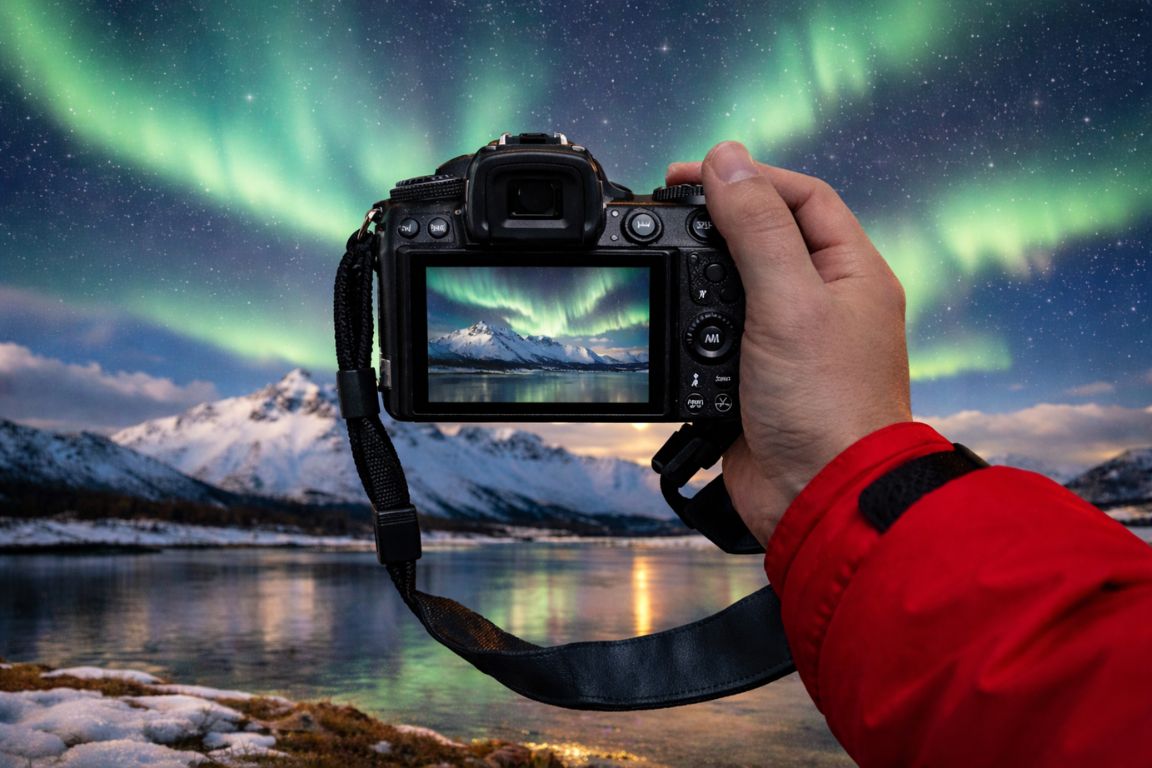
DSLR or mirrorless camera with manual mode provides necessary control over shutter speed, aperture, and ISO settings that phones and automatic cameras lack.
Wide-angle lens (14-24mm or 16-35mm) with f/2.8 or wider maximum aperture captures expansive aurora displays while gathering sufficient light during long exposures.
Sturdy tripod holds camera steady during 15-25 second exposures, with cheap flimsy tripods causing blur from wind or shutter vibration ruining shots.
Prepare properly with our complete packing guide featuring season-specific clothing lists, gear recommendations, rental versus purchase decisions, and luggage size requirements.
Check your travel date before arranging other plans. The minibus aurora chase includes warm suits, camera-setting help and high-resolution photos. Check Small-Group Aurora Dates
Table: DIY Photography Equipment Complete List
| Equipment | Essential? | Cost New | Why You Need It | Alternative | Can Rent? |
|---|---|---|---|---|---|
| DSLR/Mirrorless Camera | Essential | €800-2500+ | Manual controls required | Recent smartphone (acceptable) | Yes (€40-80/day) |
| Wide-Angle Lens f/2.8 | Essential | €400-1500 | Capture wide aurora, gather light | Kit lens f/3.5-5.6 (worse) | Yes (€30-60/day) |
| Sturdy Tripod | Essential | €50-200 | Steady 15-25 sec exposures | Cheap tripod (likely blurry) | Yes (€15-30/day) |
| Spare Batteries (2-3) | Very Important | €40-80 each | Cold drains batteries rapidly | Hand warmers on battery (helps) | Not really |
| Memory Cards Fast | Very Important | €30-80 | Store RAW files | Slower cards (risk buffer) | Not advisable |
| Remote Shutter Release | Important | €15-40 | Reduce vibration | 2-sec timer (works okay) | Rarely |
| Headlamp Red Light | Important | €20-50 | See without ruining night vision | Phone flashlight (ruins vision) | Not really |
| Lens Cleaning Cloth | Recommended | €5-10 | Remove condensation/snow | Shirt sleeve (risky) | No |
| Camera Rain Cover | Recommended | €20-40 | Protect from snow | Plastic bag (works okay) | No |
| Hand/Toe Warmers | Recommended | €1-2 each | Keep batteries warm | Inner pockets body heat | Buy locally cheap |
Camera rental in Tromsø runs €40-80 daily for DSLR bodies plus €30-60 for wide-angle lenses, totaling €70-140 daily making multi-night trips expensive.
Modern smartphones (iPhone 14/15 Pro, Samsung Galaxy S23/S24) capture acceptable Northern Lights photos using night mode, though lacking the quality and control of dedicated cameras.
Cold weather drains batteries to 30-50% capacity with cameras dying after 30-60 minutes in -15°C (5°F), requiring 2-3 spare batteries rotated from warm pockets.
The total equipment investment for quality Northern Lights photography reaches €1,500-3,000+ when buying camera, lens, tripod, and accessories, justifying tours for casual one-time visitors.
Rental equipment from Tromsø shops provides option for visitors wanting DSLR quality without ownership investment, though multi-day rentals approach equipment purchase costs.
Lens condensation and fogging occurs when bringing cold cameras into warm cars or buildings, requiring 30-minute adjustment periods or protective covers.
What Knowledge Must You Have for DIY Success?
KP index understanding (0-9 scale) helps you interpret geomagnetic activity predictions with KP 3+ visible in Tromsø and KP 5+ producing strong displays.
Cloud cover forecasting using yr.no, met.no, or satellite imagery determines which directions from Tromsø offer clear skies versus where clouds block aurora viewing.
Aurora oval position awareness shows where the auroral zone sits relative to Tromsø with displays typically visible 60-120 degrees across northern sky.
Table: Essential Knowledge for DIY Aurora Chasing
| Knowledge Area | Importance | Learning Curve | Where to Learn | Mistakes if Missing |
|---|---|---|---|---|
| KP Index Interpretation | Essential | Medium | Apps, websites, practice | Miss optimal nights |
| Cloud Cover Forecasting | Essential | Hard | Weather sites, experience | Drive to cloudy areas |
| Aurora Oval Position | Important | Medium | Apps show real-time | Look wrong direction |
| Best Viewing Times | Important | Easy | Generally 9pm-2am peak | Give up too early |
| Light Pollution Zones | Essential | Easy | Light pollution maps | Choose bad locations |
| Safe Dark Locations | Essential | Medium-Hard | Research, local knowledge | Dangerous spots, private land |
| Camera Settings | Very Important | Medium-Hard | YouTube, practice | Blurry/dark photos |
| Weather Pattern Reading | Important | Hard | Meteorology, experience | Poor timing decisions |
| Solar Wind Speed | Recommended | Medium | Space weather sites | Miss strength predictions |
| Moon Phase Impact | Nice to have | Easy | Moon calendars | Bright moon washes out aurora |
The KP index predicts auroral activity with 0-3 meaning weak displays requiring very dark skies, 4-6 indicating moderate activity visible even with some light pollution, and 7-9 representing rare major storms.
Cloud cover forecasting requires checking multiple weather sources since predictions change rapidly, with experienced chasers monitoring every 1-2 hours throughout evening.
Tromsø sits directly under the auroral oval most nights during winter, meaning Northern Lights often appear overhead or slightly north rather than distant horizon phenomena.
Light pollution maps show dark sky zones requiring 20-40km drives from Tromsø center, with many good locations within 30 minutes providing adequate darkness.
The learning curve for reliable DIY success takes 2-3 trips minimum with first attempts involving significant trial-and-error frustration normal even for diligent researchers.
Aurora forecast apps including My Aurora Forecast, Norway Lights, and Aurora Alerts provide notifications when KP index rises and conditions favor viewing.
Understanding when to give up at cloudy locations versus when to wait for clearings separates successful chasers from those who leave too early missing displays.
What Are the Pros and Cons Summary?
Tours deliver stress-free experiences with expert guides, convenient logistics, photography help, and social atmosphere, costing €90-150 per person but maximizing success rates.
DIY offers cost savings for groups, complete flexibility, unlimited photography time, and personal experiences, requiring skills, equipment, and preparation while risking lower success rates.
The decision ultimately depends on your priorities: comfort and expertise (tours) versus savings and control (DIY), with no objectively “better” choice for all visitors.
Table: Complete Tours vs DIY Pros and Cons
| Factor | Tours Advantages | Tours Disadvantages | DIY Advantages | DIY Disadvantages |
|---|---|---|---|---|
| Cost | Predictable pricing, includes everything | €90-150 per person per night | €12-50 per person if group splits costs | Solo travelers pay more than tours |
| Success Rate | 65-75% expert-guided | Can’t extend if aurora weak | 60-70% if experienced | 30-50% if beginner |
| Convenience | Zero planning, pickup/dropoff | Fixed schedule constraints | Complete schedule freedom | Must plan everything |
| Driving | No driving stress, experienced drivers | Can’t control route decisions | Go exactly where you want | Winter driving danger |
| Photography | Expert settings help, group photos | Time limits at each location | Unlimited shooting time | Trial-and-error learning |
| Expertise | Years of guide knowledge | Follow guide’s decisions | Learn yourself, personal growth | Steep learning curve |
| Equipment | Often thermal suits provided | Minimal photography instruction | Use your own pro gear | Must own/rent all equipment |
| Safety | Professional drivers, group security | Less adventurous feeling | Private personal experience | Isolated if problems |
| Weather Backup | Free rebooking often | Must trust guide’s calls | Make your own decisions | Lose money if wrong |
| Social | Meet fellow travelers | Less privacy | Private romantic experience | Can be lonely solo |
Tours work best for: first-time visitors, solo travelers, non-drivers, photography beginners, anyone prioritizing comfort, families, elderly guests, those with limited Arctic experience.
DIY works best for: experienced winter drivers, groups 4+, serious photographers, budget travelers with skills, returning visitors, confident Aurora forecasters, adventure seekers.
The hybrid approach books one tour first night to learn locations and techniques, then attempts DIY subsequent nights applying knowledge gained.
Most visitors choose tours and feel satisfied with the decision, valuing stress-free experiences over potential cost savings that come with significant preparation requirements.
The false economy trap catches inexperienced visitors choosing DIY purely for cost savings, then failing due to lack of skills and wasting money on poor results.
Tour companies in Tromsø maintain high standards with experienced guides, reliable vehicles, and good safety records making tours legitimate expertise purchases rather than tourist traps.
FAQs
Check your travel date before arranging other plans. The minibus aurora chase includes warm suits, camera-setting help and high-resolution photos. Check Small-Group Aurora Dates
Are Northern Lights tours worth it?
Guided tours can be worthwhile when you want transport, local planning and equipment handled for you. They do not guarantee a sighting; compare the current price and inclusions with your independent plan. See the small-group hunt’s current dates and price.
Discover what fits this part of your trip. The minibus aurora chase includes warm suits, camera-setting help and high-resolution photos. Explore Small-Group Aurora Chase With HD Photos
How much do Northern Lights tours cost in Tromsø?
Standard Northern Lights tours cost €90-150 per person for 6-8 hours including transport, guide expertise, photography assistance, and often hot drinks or thermal clothing.
Check your travel date before arranging other plans. The minibus aurora chase includes warm suits, camera-setting help and high-resolution photos. Check Small-Group Aurora Dates
Can I see Northern Lights without a tour in Tromsø?
Yes, with rental car (€50-100/day), winter driving skills, aurora forecasting knowledge, and camera equipment, though DIY success rates drop to 40-50% for beginners versus 65-75% guided.
Discover what fits this part of your trip. The minibus aurora chase includes warm suits, camera-setting help and high-resolution photos. Explore Small-Group Aurora Chase With HD Photos
Is it cheaper to chase Northern Lights yourself?
Only for groups of 4+ people splitting car costs (€12-25 each vs €90-150 per tour) if you have winter driving experience and aurora knowledge, otherwise tours cost similar or less.
Check your travel date before arranging other plans. The minibus aurora chase includes warm suits, camera-setting help and high-resolution photos. Check Small-Group Aurora Dates
What camera do I need for Northern Lights?
DSLR or mirrorless with manual controls, wide-angle lens f/2.8 or wider, sturdy tripod, and spare batteries, totaling €1,500-3,000+, though recent smartphones capture acceptable photos.
Want help with your aurora camera settings? This minibus chase includes guide assistance and downloadable high-resolution photos. Explore The Aurora Photography Chase
How dangerous is winter driving in Norway?
Very dangerous without experience, with black ice, poor visibility, narrow mountain roads, and wildlife creating serious accident risks for drivers unfamiliar with Arctic winter conditions.
Check your travel date before arranging other plans. The minibus aurora chase includes warm suits, camera-setting help and high-resolution photos. Check Small-Group Aurora Dates
How to Decide Between Tours and DIY Northern Lights
Assess your winter driving experience honestly, with tours being mandatory for anyone uncomfortable navigating snow, ice, and darkness on unfamiliar Norwegian roads.
Calculate actual DIY costs including rental car divided by group size, gas, parking, equipment rental or purchases, comparing realistically to €90-150 per-person tour rates.
Consider your photography priorities whether casual phone photos suffice (tours fine) or you need unlimited shooting time with professional equipment (DIY better).
Evaluate trip length since solo travelers booking 3+ nights benefit from DIY spreading car costs, while single-night visitors almost always choose tours more economically.
Research aurora forecasting apps and practice interpreting KP index, cloud cover, and weather patterns before arrival determining if you can reliably find optimal viewing conditions.
Factor in stress tolerance whether you prefer expert guidance eliminating decisions or enjoy independence accepting responsibility for success or failure.
Examine your equipment situation including whether you own suitable camera gear (€1,500-3,000+ value) or would need to rent/buy making tours more economical.
Consider safety priorities with tours providing professional drivers, group security, and emergency support versus DIY accepting isolation and self-reliance in remote locations.
For expertly guided Northern Lights tours maximizing your Arctic adventure, book at / where experienced guides deliver memorable aurora experiences.
Glossary
- KP Index: Scale 0-9 measuring geomagnetic activity predicting Northern Lights strength, with KP 3+ visible in Tromsø and higher numbers indicating stronger displays.
- Aurora Oval: Ring-shaped zone around magnetic poles where Northern Lights occur, with Tromsø sitting directly beneath during most winter nights.
- Black Ice: Invisible ice layer on roads creating zero-traction surfaces causing vehicles to slide uncontrollably, major winter driving hazard.
- Light Pollution: Artificial lighting from cities obscuring faint Northern Lights, requiring 20-40km drives from Tromsø to dark sky locations.
- Thermal Suit: Insulated full-body clothing provided by tour operators keeping guests warm during multi-hour outdoor sessions in -10°C to -20°C (-5°F to -15°F).
Check your travel date before arranging other plans. The minibus aurora chase includes warm suits, camera-setting help and high-resolution photos. Check Small-Group Aurora Dates
Key Takeaways
- Northern Lights tours cost €90-150 per person for 6-8 hours including expert guides, transport, photography help, achieving 65-75% success rates.
- DIY requires rental car (€50-100 daily), winter driving skills, aurora forecasting knowledge, camera equipment, achieving 40-50% success for beginners or 60-70% for experienced chasers.
- Tours make sense for first-time visitors, solo travelers, non-drivers, photography beginners, families, prioritizing comfort and expertise. DIY works for groups 4+ splitting costs (€12-25 each), experienced winter drivers, serious photographers wanting unlimited time, confident aurora forecasters.
- Key tour advantages: expert weather monitoring, professional drivers, photography assistance, warm clothing often included, social experience, backup rebooking if cloudy.
- DIY advantages: complete flexibility, unlimited photography time, cost savings for groups, private personal experience, creative control.
- Tour guides monitor KP index, cloud cover, solar wind constantly finding optimal viewing locations versus amateur DIY forecasting.
- Winter driving in Arctic Norway dangerous without experience due to black ice, poor visibility, narrow roads, wildlife requiring serious skills.
- Camera requirements: DSLR/mirrorless with manual controls, wide f/2.8 lens, sturdy tripod, spare batteries, totaling €1,500-3,000+ investment.
- Solo travelers rarely save money with DIY paying full €50-100 car costs versus €90-150 tours including expertise.
- Groups 4+ save massively via DIY at €40-60 per person total across 3 nights versus €270-450 per person on tours. Success rates: tours 65-75%, experienced DIY 60-70%, beginner DIY 40-50%, first-time DIY 30-40%.
- Essential DIY knowledge includes KP index interpretation, cloud cover forecasting, aurora oval position, light pollution zones, safe dark locations.
- Tours provide photography settings help, composition advice, group photos, versus DIY trial-and-error learning. Book Northern Lights tours at /.
Written by Erik Johansen, Tromsø tour guide for the past 15 years, specializing in Northern Lights expeditions and Arctic photography instruction.
Check Your Tour Date
Planning an aurora evening? Check your Tromsø date before arranging dinner or other plans; this guided hunt includes a warm meal, thermal suit and web-size souvenir photos.
Adjust activity, timing or group needs
General recommendations: confirm dates and group requirements
Keep the independent plan if your group already has a confident winter driver and understands aurora and cloud forecasts. Check official road, weather, tyre and driving guidance, identify lawful parking and turnaround points before dark, download offline maps, carry warm layers and supplies, and never stop in a live traffic lane for a sighting or photo.
Compare Your Group’s Real Costs
Use current quotes in the same currency. Include transport, fuel, parking and equipment in your DIY total. Include all participants and extras in the tour total.
Booking takes place with the provider. Prices, exact departures and available options are shown there. We may earn a commission when you book through these links.