Tromsø Itinerary Ideas for First-Timers: Complete Planning Guide
First-time Tromsø itinerary: 5-day plan with Northern Lights (3 attempts), dog sledding €150-250, whale watching. Budget €1,000-1,500. 3/5/7-day options. 2026 guide.
Last updated: August 31, 2026
TL;DR
First-time Tromsø visitors should plan 5-day itineraries balancing Northern Lights attempts (3 evenings), major activities (dog sledding, whale watching), city exploration, and weather flexibility. Classic 5-day winter itinerary: Day 1 arrival afternoon + evening Northern Lights tour (€90-150), Day 2 dog sledding morning (€150-250) + Arctic Cathedral + Cable Car afternoon, Day 3 whale watching full day (€120-180, November-January only) + evening aurora DIY, Day 4 Tromsø Museum + Polaria aquarium + local exploration, Day 5 morning Sami cultural experience (€100-180) + departure evening. Total budget: €600-900 budget, €1,000-1,500 mid-range, €2,000-3,500 luxury for 5 days plus flights. Summer 5-day: Day 1 arrival + midnight sun tour (€80-120), Day 2 Tromsdalstinden hike (4-6 hours free), Day 3 fjord cruise (€80-150), Day 4 fishing trip (€100-180), Day 5 Senja Island day trip (€120-180). Three-day condensed: Day 1 arrival + Northern Lights, Day 2 dog sledding + city sights, Day 3 morning activity + departure. Seven-day extended: adds snowmobile safari, Lyngen Alps skiing, multiple aurora attempts, extra cultural experiences. Book accommodation 3-6 months ahead peak winter, 2-3 months summer. Essential activities for first-timers: Northern Lights tour (winter), dog sledding (winter), Cable Car Fjellheisen, Arctic Cathedral, midnight sun experience (summer).
5–8 hours for aurora hunt with meal and photos. Book The Aurora Hunt
Discover what fits this part of your trip. The 5–8-hour aurora hunt includes a warm meal, thermal suit and web-size photos. Explore Aurora Hunt With Meal And Photos
What Should a First-Timer’s Tromsø Itinerary Include?
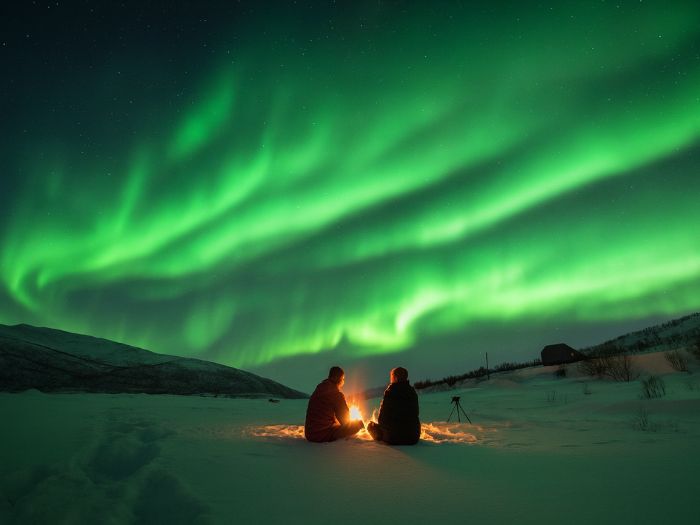
Northern Lights tour during winter visits (October-March) represents the quintessential Arctic experience, requiring evening departure around 6-7pm returning midnight after 6-8 hour guided chase.
Dog sledding provides hands-on Arctic adventure impossible to replicate elsewhere, with 2-4 hour experiences driving your own husky team through snowy wilderness justifying €150-250 cost.
City exploration including Arctic Cathedral, Cable Car to Fjellheisen, harbor walks, and downtown shopping covers essential cultural and photographic landmarks in 4-6 hours.
Weather contingency days built into schedules prevent disappointment when clouds block Northern Lights or storms cancel outdoor activities, making 5+ day stays essential for flexibility.
Check your travel date before arranging other plans. The 5–8-hour aurora hunt includes a warm meal, thermal suit and web-size photos. Check Your Tromsø Aurora Date
Table: Essential First-Timer Activities by Priority
| Activity | Priority | Season | Cost | Duration | Why Essential | Can Skip If | Booking Timeline |
|---|---|---|---|---|---|---|---|
| Northern Lights Tour | Critical (winter) | Oct-Mar | €90-150 | 6-8 hrs | Once-in-lifetime phenomenon | Visiting summer | 1-2 weeks |
| Dog Sledding | Critical (winter) | Nov-Apr | €150-250 | 2-4 hrs | Authentic Arctic experience | Budget extremely tight | 2-4 weeks |
| Arctic Cathedral Visit | Very Important | Year-round | €8-12 | 1 hr | Iconic Tromsø landmark | Very rushed schedule | Walk-in |
| Cable Car Fjellheisen | Very Important | Year-round | €35 roundtrip | 2-3 hrs | Panoramic views | Can hike free instead | Walk-in |
| City Walking Tour | Important | Year-round | Free self-guided | 2-3 hrs | Orientation, history | Returning visitors | Self-paced |
| Whale Watching | Critical (if Nov-Jan) | Nov-Jan only | €120-180 | 6-8 hrs | Seasonal wildlife | Wrong season | 1-3 weeks |
| Midnight Sun Tour | Critical (summer) | May-Jul | €80-120 | 4-6 hrs | 24hr daylight phenomenon | Visiting winter | 1-2 weeks |
| Polaria Aquarium | Recommended | Year-round | €18 | 1-2 hrs | Arctic marine life, indoor option | Good weather only | Walk-in |
| Tromsø Museum | Recommended | Year-round | €15 | 2-3 hrs | Northern culture, Sami history | Not culturally interested | Walk-in |
| Sami Cultural Experience | Recommended | Year-round | €100-180 | 4-6 hrs | Indigenous Arctic culture | Budget tight | 1-2 weeks |
The priority hierarchy helps first-timers allocate limited time and budget, with “Critical” activities being non-negotiable must-dos defining Arctic experiences.
Northern Lights tours specifically deserve priority over DIY attempts for first-timers lacking location knowledge, weather interpretation skills, and photography expertise that guides provide.
Dog sledding represents the unique Arctic activity impossible elsewhere, justifying premium €150-250 cost through authentic musher experience driving your own team versus riding in sleds.
Arctic Cathedral and Cable Car combine for excellent half-day pairing (3-4 hours total) providing cultural and scenic highlights requiring minimal planning or advanced booking.
Whale watching works only during November-January orca and humpback feeding season, making it essential if visiting those months but irrelevant outside that window.
Summer midnight sun tours replace winter Northern Lights as the seasonal phenomenon priority, with 24-hour daylight being equally magical though less famous.
Cultural activities including museums and Sami experiences provide weather backup options during storms or extreme cold when outdoor activities become dangerous or unpleasant.
The timing consideration shows evening Northern Lights tours (6pm-midnight) don’t conflict with daytime activities, allowing efficient scheduling fitting 2-3 experiences daily.
What Does a Perfect 5-Day First-Timer Itinerary Look Like?
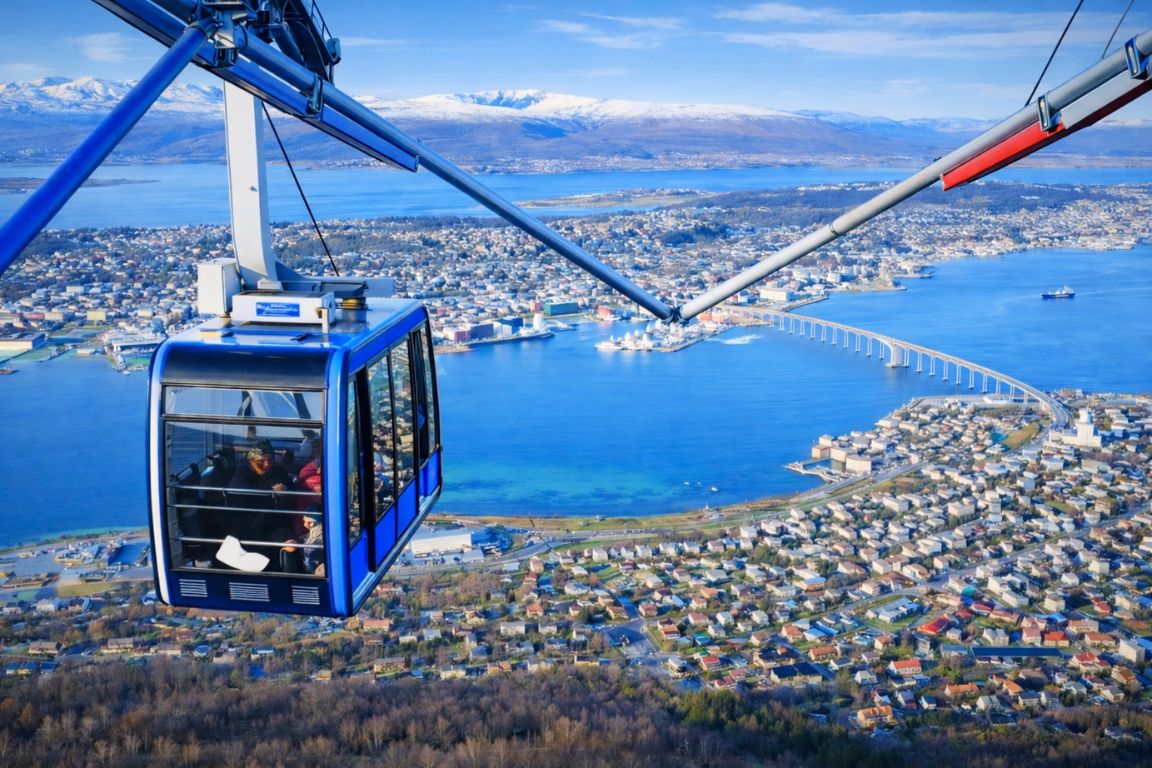
Day 1 arrival afternoon combines flight recovery with evening Northern Lights tour (6pm-midnight), utilizing jet lag adrenaline keeping you awake during guide-led aurora chase.
Day 2 features morning dog sledding (8am-12pm) as the most physically demanding activity done early with fresh energy, followed by afternoon Arctic Cathedral and Cable Car visits.
Day 3 dedicates the full day to whale watching (November-January, 7am-3pm) or alternative major activity like fjord cruise (summer), with evening free for DIY Northern Lights or rest.
Day 4 provides recovery pacing with morning Tromsø Museum or Polaria visits, afternoon local area exploration, and optional evening Northern Lights third attempt for weather buffer.
Day 5 morning includes final activity like Sami cultural experience or snowmobile safari before afternoon packing and evening departure maximizing time without wasted final day.
Table: Complete 5-Day Winter Itinerary for First-Timers
| Day | Time | Activity | Cost | Duration | Intensity | Notes |
|---|---|---|---|---|---|---|
| Day 1 | 11am-2pm | Flight arrival, hotel check-in | Flights separate | 3 hrs | Low | Settle in, rest briefly |
| 2pm-5pm | City walking tour self-guided, lunch | €15-25 | 3 hrs | Low | Arctic Cathedral exterior, harbor | |
| 6pm-12am | Northern Lights tour #1 | €90-150 | 6 hrs | Low-Medium | First aurora attempt | |
| Day 2 | 8am-12pm | Dog sledding experience | €150-250 | 4 hrs | High | Most demanding activity |
| 12pm-2pm | Lunch downtown | €20-35 | 2 hrs | Low | Recovery meal | |
| 2pm-5pm | Arctic Cathedral + Cable Car | €43-47 | 3 hrs | Low | Classic combo | |
| 6pm-12am | Rest or DIY aurora if clear | Free-€90 | Flexible | Low | Optional second attempt | |
| Day 3 | 7am-8am | Early breakfast | €10-15 | 1 hr | Low | Fuel for long day |
| 8am-3pm | Whale watching tour (Nov-Jan) | €120-180 | 7 hrs | Medium-High | Full day adventure | |
| 3pm-6pm | Late lunch, recovery, rest | €20-35 | 3 hrs | Low | Exhaustion likely | |
| 8pm-11pm | Northern Lights tour #2 or DIY | €0-90 | 3 hrs | Low | Third attempt | |
| Day 4 | 9am-12pm | Tromsø Museum | €15 | 3 hrs | Low | Cultural learning |
| 12pm-2pm | Lunch, local café | €20-30 | 2 hrs | Low | Relaxed pacing | |
| 2pm-5pm | Polaria aquarium + shopping | €18-50 | 3 hrs | Low | Indoor activities | |
| 6pm-11pm | Free evening, optional aurora DIY | Free | Flexible | Low | Recovery day | |
| Day 5 | 8am-12pm | Sami cultural experience | €100-180 | 4 hrs | Low-Medium | Final major activity |
| 12pm-3pm | Lunch, pack, hotel checkout | €20-30 | 3 hrs | Low | Prepare departure | |
| 3pm-5pm | Airport transfer, depart | €12-35 | 2 hrs | Low | Evening flight out |
The 5-day structure provides three Northern Lights attempts (evenings 1, 2, 4) delivering 70-80% cumulative success probability through multiple weather windows.
Day 2’s dog sledding timing capitalizes on post-arrival energy recovery before jet lag hits hardest, with afternoon sightseeing requiring minimal physical exertion.
Whale watching (Day 3) as the longest most intensive activity places strategically mid-trip after initial adjustment but before end-of-trip exhaustion sets in.
Day 4’s lighter schedule provides essential recovery time preventing burnout that afflicts travelers attempting high-intensity activities five consecutive days without breaks.
The morning departure Day 5 allows one final quality activity before afternoon flights rather than wasting entire morning sitting at hotel or airport.
Budget distribution totals €600-900 budget (hostels, self-catering, selective activities), €1,000-1,500 mid-range (hotels, mixed dining, all activities), or €2,000-3,500 luxury (premium everything).
Alternative Day 3 activities for visits outside November-January whale season include snowmobile safari (€180-280), Senja Island day trip (€120-180), or extended hiking (free).
The flexibility built into Day 4 allows adjusting schedules if Day 2 or 3 weather caused activity cancellations, providing backup window for rescheduling.
Evening Northern Lights timing (6pm-midnight) strategically avoids conflicting with daytime activities, enabling efficient 2-3 experiences daily without schedule conflicts.
Most first-timers rate this 5-day structure as “perfect balance” in post-trip feedback, feeling they experienced Arctic comprehensively without excessive exhaustion or time pressure.
Our guide on how many days you should spend in Tromsø provides sample itineraries for 1-7 day visits, helping you maximize your Arctic experience without wasted time.
How Does a 3-Day Condensed Itinerary Work?
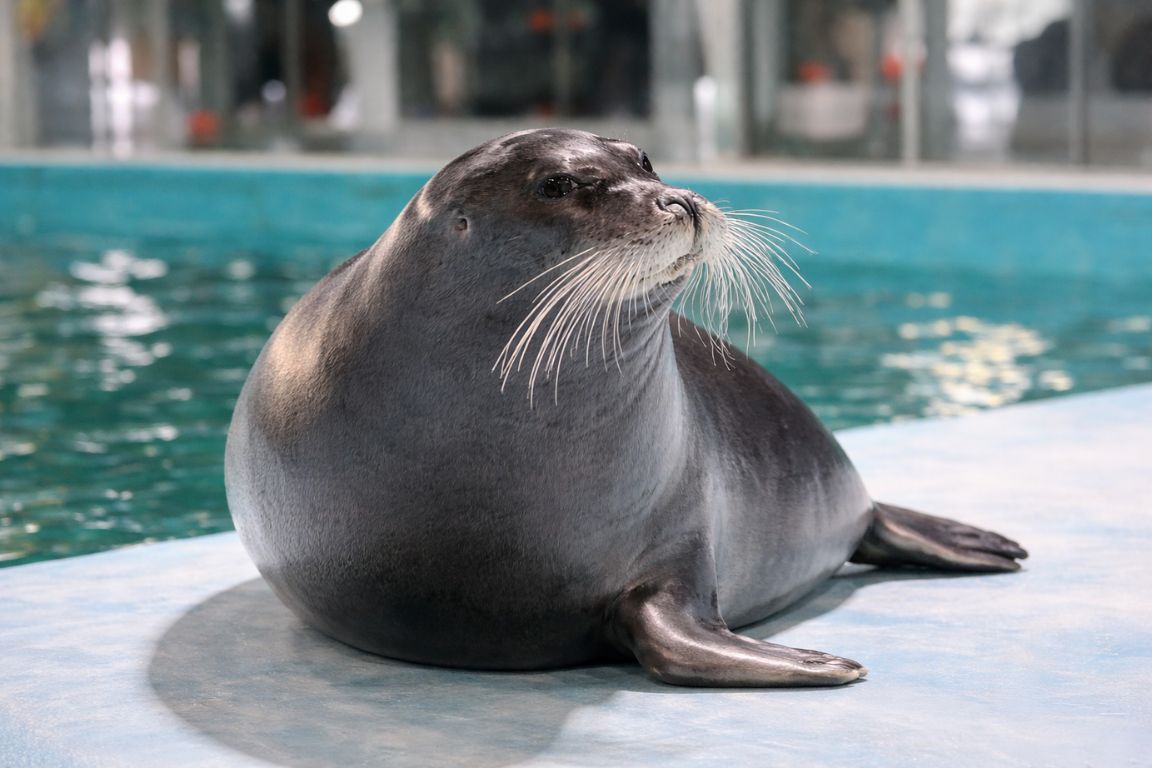
Day 1 combines arrival afternoon with evening Northern Lights tour (6pm-midnight) utilizing travel excitement keeping you awake despite jet lag for first aurora attempt.
Day 2 packs morning dog sledding (8am-12pm) with afternoon city highlights (Arctic Cathedral, Cable Car, harbor) before evening DIY Northern Lights or second tour attempt.
Day 3 morning includes one final activity like Polaria aquarium or Sami cultural experience before afternoon packing and departure, accepting rushed pacing throughout.
The three-day compromise sacrifices weather buffer, recovery time, and multiple activity options to fit essential Arctic experiences into minimum viable duration.
Table: 3-Day Quick First-Timer Itinerary
| Day | Morning | Afternoon | Evening | Activities Total | Budget | Trade-Offs |
|---|---|---|---|---|---|---|
| Day 1 | Flight arrival 10am-1pm | City walking tour, lunch, settle | Northern Lights tour | 4-5 hrs activities | €150-220 | Jet lag impact |
| Day 2 | Dog sledding 8am-12pm | Lunch, Arctic Cathedral, Cable Car | Rest or Northern Lights #2 | 7-8 hrs activities | €250-350 | Exhausting pace |
| Day 3 | Polaria or museum 9am-11am | Pack, lunch, depart 2pm+ | Travel | 2-3 hrs activities | €80-120 | Minimal final day |
| TOTALS | 2 major activities | Essential sights covered | 2 aurora attempts | 13-16 hrs total | €480-690 | Rushed, high aurora fail risk |
The 3-day limitation means only 1-2 Northern Lights attempts delivering 50-60% cumulative success versus 70-80% with 5-day trips providing more weather windows.
Day 2’s packed schedule combining dog sledding, multiple sights, and potential second aurora tour creates exhausting 12-14 hour activity days risking burnout.
Final day’s abbreviated activity window wastes morning waiting for departure versus 5-day trips utilizing final morning productively before afternoon flights.
Weather contingency essentially disappears with no backup days, meaning canceled dog sledding or whale watching eliminates that experience entirely versus rescheduling opportunities longer stays provide.
The cost-efficiency paradox shows 3-day trips appearing cheaper (€480-690 vs €1,000-1,500 for 5 days) but delivering poor value with fixed flight costs (€200-400) spread over fewer experiences.
Most travelers attempting 3-day itineraries report post-trip regret wishing they’d allocated more time after experiencing Tromsø’s appeal and realizing how much they missed.
The 3-day structure works only for truly time-constrained visitors (business travelers, cruise connections, tight multi-destination tours) accepting compromises versus choosing it by preference.
Budget travelers particularly avoid 3-day trips since per-day costs reach €160-230 including accommodation versus €120-180 daily on 5-7 day stays through fixed cost spreading.
Alternative Day 3 structures extend departure to evening allowing full morning activity (Sami experience, snowmobile half-day) before afternoon packing improving value slightly.
Our complete guide to what to see and do in Tromsø provides 1-day, 2-day, and 3-day itineraries covering major attractions, hidden gems, best restaurants, and timing strategies for efficient sightseeing.
What Does a 7-Day Extended First-Timer Itinerary Include?
Seven days adds Senja Island day trip (Day 5), Lyngen Alps skiing or ice climbing (Day 6), and multiple backup Northern Lights opportunities across five evenings.
The extended duration provides comfortable pacing with recovery days interspersed between intensive activities preventing exhaustion that plagues rushed shorter itineraries.
Additional activities include snowmobile safari, fishing expeditions, cross-country skiing, multiple cultural experiences, and deeper city exploration impossible in 3-5 day trips.
Week-long stays reduce daily cost pressure spreading €200-400 flight costs over seven days (€29-57 daily) versus three days (€67-133 daily) improving overall value.
Table: Complete 7-Day Extended First-Timer Itinerary
| Day | Primary Activity | Secondary Activity | Evening | Cost | Type |
|---|---|---|---|---|---|
| Day 1 | Arrive 11am, city walking tour | Arctic Cathedral, shopping | Northern Lights tour #1 | €150-220 | Orientation |
| Day 2 | Dog sledding 8am-12pm | Lunch, Polaria aquarium | Northern Lights DIY attempt | €200-300 | Adventure |
| Day 3 | Whale watching 7am-3pm (Nov-Jan) | Late lunch, recovery | Northern Lights tour #2 | €180-260 | Wildlife |
| Day 4 | Tromsø Museum, Sami culture | Cable Car afternoon | Rest evening | €150-220 | Cultural |
| Day 5 | Senja Island day trip 8am-6pm | Return, dinner | Northern Lights DIY if clear | €150-220 | Exploration |
| Day 6 | Snowmobile safari OR Lyngen skiing | Lunch, local area | Northern Lights tour #3 | €220-340 | Adventure |
| Day 7 | Fishing tour OR cross-country ski | Lunch, pack, depart evening | Travel | €130-210 | Activity |
The 7-day advantage provides five Northern Lights opportunities (nights 1, 2, 5, 6, plus DIY night 4) achieving 85-95% cumulative success through extensive weather buffer.
Senja Island day trip (Day 5) adds geographic diversity visiting dramatic coastal landscapes 100km west of Tromsø, requiring full 10-hour day but delivering spectacular scenery.
Lyngen Alps skiing or ice climbing (Day 6) appeals to adventure enthusiasts wanting advanced winter sports beyond tourist activities like dog sledding or snowmobiling.
Day 4’s lighter cultural focus provides essential mid-week recovery preventing exhaustion, strategically placed after three intensive days (dog sledding, whale watching, travel).
The flexibility allows weather-based adjustments postponing outdoor activities during storms, utilizing indoor backup options (museums, aquarium, shopping) without compromising trip quality.
Budget distribution shows €1,050-1,750 total for 7 days (€150-250 daily) being comparable to 5-day trips (€200-300 daily) since accommodation/meal costs remain similar while adding activities.
Most first-timers find 7 days providing comprehensive Arctic immersion without the “now what?” feeling that emerges beyond 10 days when running out of major activities.
Social connections deepen over week-long stays with repeated café visits, hostel interactions, and becoming “regular” creating richer experiences than transient 3-day anonymous tourism.
How Do Summer and Winter Itineraries Differ?
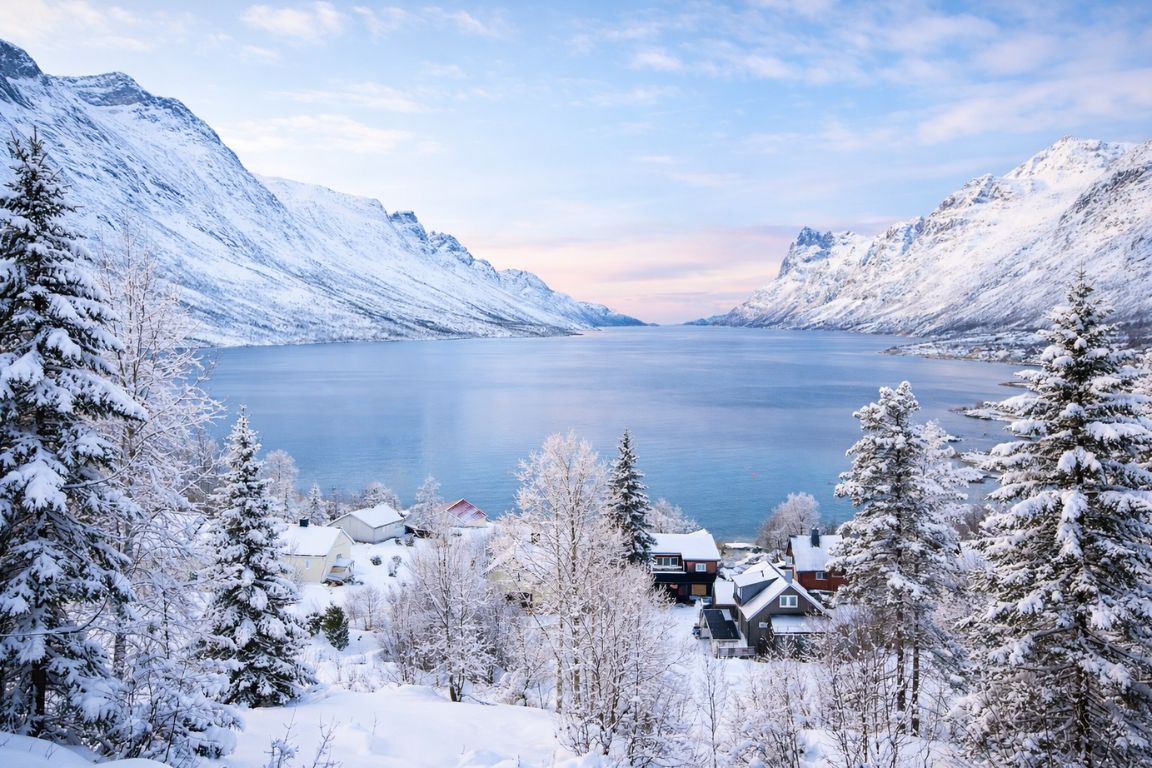
Winter itineraries prioritize Northern Lights hunting with 3-5 evening tours, dog sledding, snowmobiling, whale watching (November-January), and winter cultural experiences.
Summer focuses on hiking extensive trails, midnight sun tours replacing Northern Lights, fishing expeditions, fjord cruises, and outdoor activities impossible during winter snow coverage.
The seasonal pacing differs with winter’s cold and darkness requiring more indoor recovery time while summer’s 24-hour daylight enables extended outdoor sessions.
Activity availability completely changes by season with dog sledding, snowmobiling, Northern Lights tours operating October-April while hiking, midnight sun experiences running May-September.
Check your travel date before arranging other plans. The Sommarøy road trip includes a salmon picnic and professional photos. Check Your Sommarøy Tour Date
Table: Winter vs Summer Itinerary Comparison
| Aspect | Winter (Nov-Feb) | Summer (Jun-Jul) | Why Different |
|---|---|---|---|
| Main Phenomenon | Northern Lights chasing (3-5 attempts) | Midnight sun tours (24hr light) | Seasonal light conditions |
| Signature Activity | Dog sledding €150-250 | Mountain hiking (free-€80 guided) | Snow access vs trail access |
| Daylight Hours | 0-6 hours (polar night) | 24 hours (never sets) | Arctic latitude effect |
| Pacing | Slower (cold, darkness) | Faster (extended daylight) | Weather impact |
| Evening Activities | Northern Lights tours 6pm-12am | Midnight sun hikes, fishing 10pm-2am | Light availability |
| Wildlife Focus | Whale watching Nov-Jan (€120-180) | Bird watching, reindeer (€50-100) | Seasonal migration |
| Water Activities | Ice fishing (€60-100) | Fjord cruises, kayaking (€80-150) | Ice coverage |
| Recovery Needs | More indoor time required | Less indoor time needed | Temperature comfort |
| Clothing Required | Extreme cold gear (-30°C) | Light layers (8-15°C) | Temperature difference |
| Photography Focus | Aurora, twilight, blue hour | Midnight sun, landscapes, wildlife | Light conditions |
Winter evening activities center around Northern Lights tours (6pm-midnight) freeing daytime for dog sledding, whale watching, cultural sites creating efficient non-overlapping scheduling.
Summer midnight sun tours operate 10pm-2am taking advantage of low-angle golden light when sun circles horizon, appealing to photographers and romantics wanting unique lighting.
The hiking access difference is dramatic with winter snow covering trails requiring winter skills and equipment, while summer opens extensive networks from easy coastal walks to challenging mountain ascents.
Whale watching specifically operates November-January when orcas and humpback whales follow herring into Tromsø fjords, making this three-month window the only viable period for marine wildlife.
Winter’s polar night creates natural activity breaks with 0-6 hours daylight limiting daytime options while darkness enables Northern Lights, leading to later sleep schedules (bed 1-2am after aurora tours).
Summer’s endless daylight challenges sleep despite blackout curtains, with many visitors struggling to rest during 24-hour brightness requiring sleep masks and discipline maintaining regular schedules.
Activity intensity increases in summer with hiking, fishing, and kayaking being more physically demanding than stationary winter activities like Northern Lights viewing or museum visits.
The budget impact shows winter averaging €20-40 higher daily costs with Northern Lights tours (€90-150) plus expensive dog sledding (€150-250) versus summer’s free hiking alternatives.
First-time visitors choosing between seasons should prioritize Northern Lights (requires winter October-March) or midnight sun (requires summer May-August) as these phenomena cannot compromise.
The winter vs summer complete comparative guide helps you choose the right season by comparing everything from accommodation costs (€140-200 vs €120-180) to unique phenomena and activity portfolios.
Which tour fits which day?
The 3, 5, and 7-day plans above all lean on the same four bookable anchors. Here is which one matches which slot, so you are not re-reading the day-by-day tables to find the booking link.
Whale watching only runs November through January. Outside that window, swap the Day 3 slot for the fjord cruise or snowmobile safari mentioned above instead.
What Are Common First-Timer Itinerary Mistakes?
Booking only 2-3 nights for Northern Lights trips results in 50-60% cumulative success probability creating high disappointment risk when weather doesn’t cooperate.
Over-scheduling 3-4 major activities daily ignores exhaustion from cold, jet lag, and travel, with realistic limit being 2-3 quality experiences maximum including transitions.
Skipping weather contingency means rigid itineraries fail when storms cancel activities, leaving visitors with nothing to do versus flexible schedules accommodating adjustments.
Ignoring seasonal limitations like attempting summer Northern Lights (impossible due to 24-hour daylight) or winter hiking (trails snow-covered requiring expert skills).
For step-by-step help planning your visit to Tromsø including booking timelines, budget breakdowns, and seasonal considerations, see our comprehensive 2026-2027 travel guide.
Check your travel date before arranging other plans. The 5–8-hour aurora hunt includes a warm meal, thermal suit and web-size photos. Check Your Tromsø Aurora Date
Table: Common First-Timer Mistakes and Solutions
| Mistake | Why It’s Wrong | Consequence | Solution | How Common |
|---|---|---|---|---|
| Only 2-3 Nights | Insufficient Northern Lights buffer | 50-60% aurora success, high disappointment | Book minimum 4-5 nights | Very common (40%) |
| Over-Scheduling Activities | Exhaustion, jet lag, cold impact | Burnout, cutting activities short | 2-3 activities daily maximum | Common (30%) |
| No Weather Contingency | Arctic weather unpredictable | Canceled activities ruin days | Build flexible schedule | Common (25%) |
| Wrong Season for Activity | Summer = no aurora, winter = no hiking | Impossible to do desired activity | Research seasonal availability | Moderate (15%) |
| Not Booking Ahead | Peak season fills 3-6 months early | No accommodation or tours available | Book 3-6 months winter, 2-3 summer | Moderate (20%) |
| Underestimating Cold | -15°C feels brutal unprepared | Cutting activities short, misery | Proper -30°C gear essential | Common (30%) |
| Rigid Day Plans | Can’t adjust for weather/energy | Forced miserable experiences | Maintain schedule flexibility | Moderate (20%) |
| Skipping Recovery Days | Constant activity creates exhaustion | Burnout mid-trip | Include 1-2 lighter days | Common (25%) |
| All DIY Northern Lights | Miss guide expertise, locations | Lower success, poor photos | Book at least one guided tour | Moderate (15%) |
| Ignoring Meal Planning | Restaurant costs €60-100 daily | Budget blown quickly | Mix self-catering and restaurants | Moderate (20%) |
The 2-3 night trap catches numerous first-timers booking brief trips then regretting insufficient time after experiencing Tromsø’s appeal and comprehensive activity offerings.
Over-scheduling stems from underestimating Arctic conditions with cold, darkness, jet lag, and travel transitions consuming more energy than temperate-climate sightseeing.
Weather contingency matters enormously in Arctic with storms, heavy snow, or extreme cold canceling outdoor activities requiring backup indoor options (museums, aquarium) or flexible rescheduling.
Seasonal mistake examples include summer visitors expecting Northern Lights (impossible with 24-hour daylight) or winter visitors planning serious hiking (trails snow-covered, dangerous without winter skills).
The booking timeline catches many visitors finding no accommodation or sold-out tours when attempting reservations 4-6 weeks before December-February peak Northern Lights season.
Cold weather underestimation leads to inadequate clothing causing cut-short activities when -15°C (-5°F) feels brutal on faces, hands, feet during extended outdoor Northern Lights viewing.
Rigid planning forces activities during storms or extreme cold rather than postponing for better conditions, creating miserable experiences versus flexible schedules adapting to weather.
Recovery day omission creates exhaustion by Day 4-5 when travelers realize they’ve done intensive activities five consecutive days without breaks, leading to burnout.
Pure DIY Northern Lights attempts save €90-150 per person but sacrifice guide location knowledge, weather monitoring expertise, and photography assistance dramatically improving success rates.
Check the full outing length before filling the rest of your day. The 2½-hour city walk combines local history with included Polar Museum admission. Explore Tromsø City Walk And Polar Museum
What Budget Should First-Timers Plan Per Day?
Budget travelers allocating €80-120 daily use hostels (€30-50), cook most meals (€15-30), walk or bus (€10-20), and mix free activities with 1-2 budget paid experiences.
Mid-range visitors spending €180-250 daily stay mid-level hotels (€120-180), mix restaurant and self-catered meals (€40-80), use taxis occasionally, and do 1-2 quality tours.
Luxury travelers investing €400-700+ daily book premium hotels (€200-400), dine at upscale restaurants (€100-200), use private tours (€300-500), and enjoy unrestricted activities.
The realistic budget for first-time comprehensive experience falls €200-300 daily covering comfortable accommodation, balanced dining, and essential activities creating quality Arctic memories.
Check your travel date before arranging other plans. The 5–8-hour aurora hunt includes a warm meal, thermal suit and web-size photos. Check Your Tromsø Aurora Date
Table: Daily Budget Breakdown by Traveler Type
| Expense | Ultra-Budget | Budget | Mid-Range | Comfort | Luxury | What Changes |
|---|---|---|---|---|---|---|
| Accommodation | €30-50 hostel | €60-100 budget hotel | €120-180 hotel | €180-280 upscale | €300-500 luxury | Quality, amenities |
| Breakfast | €3-6 self | €8-12 hostel | €15-20 included | €20-30 buffet | €35-50 premium | Variety, service |
| Lunch | €6-10 packed | €12-20 cheap | €20-35 restaurant | €30-45 upscale | €50-80 fine | Quality, experience |
| Dinner | €8-15 cooked | €18-30 affordable | €35-60 standard | €50-80 quality | €80-150 fine dining | Atmosphere, quality |
| Transport | €0-10 walk/bus | €10-20 buses | €20-40 mix | €40-80 taxis often | €80-150 private always | Convenience |
| Activities | €0-30 mostly free | €50-100 selective | €100-180 essential | €150-300 multiple | €300-500 premium/private | Quality, variety |
| Extras | €5-10 minimal | €15-25 some | €25-50 moderate | €50-100 comfortable | €100-200 unlimited | Flexibility |
| DAILY TOTAL | €80-120 | €120-180 | €200-300 | €300-500 | €700-1000+ | Experience level |
The mid-range €200-300 daily budget provides the “classic first-timer experience” described in travel guides, combining comfortable hotels, balanced dining, and comprehensive activities.
Budget €120-180 proves sustainable for most travelers through strategic compromises: hostel private rooms (€60-100), self-catered breakfasts/lunches (€15-25), one restaurant dinner (€25-40), selective tours (€50-100).
Ultra-budget €80-120 requires significant discipline walking in -15°C cold, cooking all meals despite exhaustion, and predominantly using free activities making it mentally draining.
Luxury €700-1000+ enables private Northern Lights tours (€500-800), helicopter excursions (€300-500), fine dining every meal, and premium accommodations without budget stress.
The 5-day total budget calculates: budget €600-900, mid-range €1,000-1,500, comfort €1,500-2,500, luxury €3,500-5,000+ per person excluding flights.
Activity costs dominate budgets with Northern Lights tours (€90-150), dog sledding (€150-250), whale watching (€120-180) consuming €360-580 total across 5-day trips.
Food represents major savings opportunity with self-catering (€15-30 daily) versus restaurants (€60-100) saving €30-50 per person daily or €150-250 over 5 days.
The budget creep phenomenon sees visitors planning €150 daily actually spending €200-250 through spontaneous additions (“just one more tour” or “let’s try that restaurant”).
Compare the current quote with your own group budget. The 5–8-hour aurora hunt includes a warm meal, thermal suit and web-size photos. Explore Aurora Hunt With Meal And Photos
What Activities Should First-Timers Prioritize vs Skip?
Prioritize Northern Lights guided tours (€90-150) over pure DIY attempts for first-timers lacking location knowledge, aurora forecasting skills, and photography expertise guides provide.
Skip expensive helicopter tours (€300-500) delivering 15-20 minute flights when Cable Car (€35) provides similar views from 421m Fjellheisen at fraction of cost.
Prioritize dog sledding (€150-250) as unique Arctic experience impossible to replicate elsewhere, justifying premium cost through authentic hands-on musher adventure.
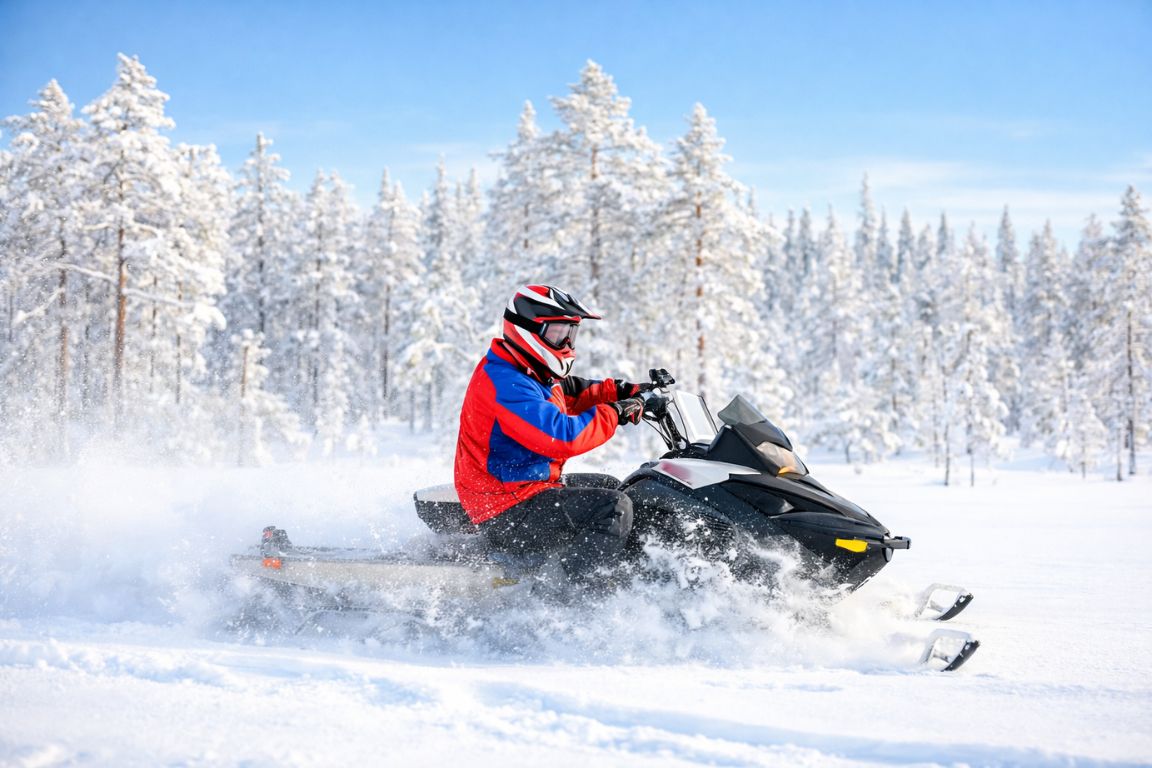
Skip snowmobile safaris (€180-280) if budget-constrained since they deliver brief 2-3 hour thrills when cross-country skiing (€20-30 rental) provides similar wilderness access affordably.
Table: Prioritize vs Skip Activity Decisions
| Activity | Prioritize or Skip? | Cost | Why | Alternative | For First-Timers |
|---|---|---|---|---|---|
| Northern Lights Guided Tour | PRIORITIZE | €90-150 | Expert knowledge, photo help, 65-75% success | DIY free but risky | Strongly recommend |
| Dog Sledding | PRIORITIZE | €150-250 | Unique Arctic, can’t replicate | None comparable | Essential experience |
| Arctic Cathedral + Cable Car | PRIORITIZE | €43-47 | Iconic landmarks, efficient combo | Free hike cable car route | Highly recommend |
| Whale Watching (Nov-Jan) | PRIORITIZE if season | €120-180 | Seasonal wildlife, orcas/humpbacks | Nothing similar | Do if in season |
| Midnight Sun Tour (Jun-Jul) | PRIORITIZE summer | €80-120 | Unique phenomenon, 24hr light | Free viewing anywhere | Summer essential |
| Polaria Aquarium | PRIORITIZE if bad weather | €18 | Indoor backup, Arctic marine life | Skip if good weather | Useful contingency |
| Tromsø Museum | OPTIONAL | €15 | Cultural learning, Sami history | Skip if time tight | Nice but not critical |
| Snowmobile Safari | SKIP if budget tight | €180-280 | Expensive brief thrill | Cross-country ski €20-30 | Lower priority |
| Helicopter Tour | SKIP | €300-500 | Terrible value, 15-20 minutes | Cable Car €35 same views | Not recommended |
| Multiple Aurora Tours | OPTIONAL | €90-150 each | Increases success probability | Mix guided + DIY | 1-2 tours sufficient |
Northern Lights guided tours deliver dramatically better success rates (65-75%) than first-timer DIY attempts (30-40%) through guide weather monitoring, location knowledge, and aurora forecasting expertise.
Dog sledding provides the quintessential Arctic adventure driving your own husky team versus riding in sleds, creating memorable hands-on experience justifying €150-250 cost.
The Arctic Cathedral + Cable Car combination efficiently delivers cultural landmark and panoramic viewpoint in one 3-4 hour afternoon, making it perfect filler between major activities.
Helicopter tours rank as worst value offering 15-20 minute flights at €300-500 when Cable Car provides nearly identical views from 421m elevation at €35.
Snowmobile safaris deliver 2-3 hour experiences at €180-280 creating high per-hour costs (€75-120/hour) versus cross-country skiing’s similar wilderness access at €20-30 rentals.
Whale watching specifically prioritizes for November-January visits when orcas and humpbacks feed reliably in Tromsø fjords, but skip entirely outside those months.
Multiple Northern Lights tours increase cumulative success probability with 2-3 guided attempts across 5-day stays providing 80-85% success through redundant weather windows.
Museum and aquarium visits serve primarily as weather backup contingencies during storms or extreme cold when outdoor activities become dangerous or unpleasant.
Our complete guide to budget-friendly activities in Tromsø covers free experiences (Arctic Cathedral exterior, downtown walks, beaches), cheap dining options, and saving 50-70% through smart planning.
Which one should you book first?
Pick what matters most for your trip and see the real pick for that slot.
FAQs
Check your travel date before arranging other plans. The 5–8-hour aurora hunt includes a warm meal, thermal suit and web-size photos. Check Your Tromsø Aurora Date
What is the best itinerary for first-time Tromsø visitors?
Five days including arrival + Northern Lights, dog sledding + city sights, whale watching (if November-January) + aurora, cultural day, and final morning activity before departure provides ideal balance.
Check the full outing length before filling the rest of your day. The 5–8-hour aurora hunt includes a warm meal, thermal suit and web-size photos. Explore Aurora Hunt With Meal And Photos
How many days do I need for my first Tromsø trip?
Minimum 4-5 days for comprehensive first-time experience covering Northern Lights attempts (3 evenings), major activities (dog sledding, cultural sites), and weather buffer for flexibility.
What activities are essential for first-time Tromsø visitors?
Northern Lights guided tour (winter), dog sledding, Arctic Cathedral, Cable Car Fjellheisen, whale watching (November-January only), midnight sun tour (summer), and city exploration.
Check the full outing length before filling the rest of your day. The 5–8-hour aurora hunt includes a warm meal, thermal suit and web-size photos. Explore Aurora Hunt With Meal And Photos
Can I see everything in Tromsø in 3 days?
No, 3 days allows only surface-level highlights with 1-2 Northern Lights attempts (50-60% success), one major activity, and city tour, missing many experiences and accepting rushed pacing.
What is the best first-time winter Tromsø itinerary?
5 days with Day 1 arrival + Northern Lights, Day 2 dog sledding + sights, Day 3 whale watching + aurora, Day 4 cultural recovery day, Day 5 morning activity + departure.
Should first-timers do guided or DIY Northern Lights tours?
Guided tours for first-timers provide location knowledge, weather monitoring, photography assistance, and higher success rates (65-75% vs 30-40% DIY) justifying €90-150 cost.
How to Plan Your Perfect First-Timer Tromsø Itinerary
Start with duration determining whether 3-day condensed, 5-day optimal, or 7-day extended itinerary fits your vacation time and budget constraints.
Prioritize season-specific phenomenon whether Northern Lights (requires October-March winter) or midnight sun (requires May-August summer) as these define entire experience.
Book accommodation 3-6 months ahead for peak winter (December-February) or summer (June-July) seasons securing best rates and availability before sell-outs.
Allocate three Northern Lights attempts minimum across 4-5 nights providing 70-80% cumulative success probability accounting for inevitable cloudy weather evenings.
Schedule major physical activities (dog sledding, whale watching) early in trip when energy levels are highest before jet lag and exhaustion accumulate.
Build flexibility with 1-2 lighter days allowing weather adjustments, activity rescheduling, or spontaneous additions based on conditions and interests discovered.
Balance activity intensity alternating demanding adventures (dog sledding, whale watching, hiking) with easier cultural experiences (museums, Cathedral, shopping) preventing burnout.
Budget realistically planning €200-300 daily for mid-range comfortable first-time experience covering accommodation, balanced dining, and essential activities comprehensively.
For expertly designed first-timer itineraries optimizing Arctic experiences, book at / where we create perfect introductions.
Check the full outing length before filling the rest of your day. The 5–8-hour aurora hunt includes a warm meal, thermal suit and web-size photos. Explore Aurora Hunt With Meal And Photos
Glossary
- Northern Lights Buffer: Multiple evening attempts (3-5 nights) providing weather contingency for 70-80% cumulative aurora success versus single attempts.
- Recovery Day: Lighter activity schedule with museums, shopping, or rest allowing physical and mental recovery between intensive adventures.
- Whale Season: November-January period when orcas and humpback whales feed in Tromsø fjords, only viable time for marine wildlife viewing.
- Flexible Day: Unstructured schedule with optional activities easily postponed or rescheduled based on weather conditions or energy levels.
- Peak Season: December-February (Northern Lights) or June-July (midnight sun) periods with highest crowds, prices, requiring 3-6 months advance booking.
Check your travel date before arranging other plans. The 5–8-hour aurora hunt includes a warm meal, thermal suit and web-size photos. Check Your Tromsø Aurora Date
Key Takeaways
- First-time Tromsø visitors should plan 5-day itineraries for comprehensive experiences: Day 1 arrival + Northern Lights tour (€90-150), Day 2 dog sledding (€150-250) + Arctic Cathedral + Cable Car, Day 3 whale watching November-January (€120-180) or alternative full-day activity, Day 4 museums + cultural recovery, Day 5 morning Sami experience + departure.
- Minimum 4-5 nights essential for Northern Lights success with 70-80% cumulative probability across 3 evening attempts. Three-day condensed version covers highlights but feels rushed with only 50-60% aurora success and no weather buffer. Seven-day extended adds Senja Island day trip, Lyngen Alps skiing, multiple backup aurora opportunities, comfortable pacing.
- Essential first-timer activities: Northern Lights guided tour (winter October-March), dog sledding (winter November-April), Arctic Cathedral + Cable Car combo (€43-47), whale watching if November-January season.
- Summer replaces Northern Lights with midnight sun tours, dog sledding with hiking, creates completely different itinerary. Budget €600-900 budget, €1,000-1,500 mid-range, €2,000-3,500 luxury for 5 days plus flights.
- Schedule major physical activities (dog sledding, whale watching) early trip with fresh energy before jet lag hits. Build 1-2 flexible lighter days allowing weather adjustments, activity rescheduling, recovery time.
- Book accommodation 3-6 months ahead peak winter (December-February), 2-3 months summer.
- Common mistakes: only 2-3 nights (insufficient aurora buffer), over-scheduling 3-4 activities daily (exhaustion), no weather contingency (rigid plans fail), wrong season activities (summer = no aurora).
- Daily timing: mornings 8am-12pm major adventures, afternoons 2-6pm city sights, evenings 6pm-midnight Northern Lights tours.
- Skip helicopter tours (€300-500 terrible value), snowmobile safaris if budget tight (€180-280), prioritize dog sledding (unique), guided Northern Lights tours (expert knowledge).
- Winter itinerary costs €20-40 more daily than summer with expensive Northern Lights/dog sledding tours.
- First-timers consistently rate 5-day duration as perfect balance in post-trip feedback. Plan complete first-timer Tromsø itinerary at /.
Written by Erik Johansen, Tromsø tour guide for the past 15 years, specializing in Northern Lights expeditions and first-time visitor itinerary design.
Check Your Tour Date
Planning an aurora evening? Check your Tromsø date before arranging dinner or other plans; this guided hunt includes a warm meal, thermal suit and web-size souvenir photos.
Adjust activity, timing or group needs
General recommendations: confirm dates and group requirements
Use a self-guided downtown and harbour walk for orientation, visit the Arctic Cathedral area independently, and retain a museum or café block for poor weather. Aurora visitors can watch conditions from town on additional evenings, but any sighting remains uncertain. Avoid driving unfamiliar winter roads without suitable experience.
Compare Your Group’s Real Costs
Use current quotes in the same currency. Include transport, fuel, parking and equipment in your DIY total. Include all participants and extras in the tour total.
Booking takes place with the provider. Prices, exact departures and available options are shown there. We may earn a commission when you book through these links.