How Many Days Should You Spend in Tromsø? Complete Duration Guide 2026-2027
How many days in Tromsø? 3-4 nights minimum for Northern Lights (60-80% success), 5 days ideal for comprehensive experience. 1-2 nights only 30-50% aurora. 2026 guide.
Last updated: August 31, 2026
TL;DR
Spend 3-4 nights minimum in Tromsø for Northern Lights success (60-80% cumulative probability accounting for weather) or 4-5 days for comprehensive summer experiences. One-two nights proves insufficient for Northern Lights with only 30-50% success due to weather unpredictability, though works for time-constrained travelers accepting risks. Five-seven days enables complete winter immersion doing multiple Northern Lights attempts, dog sledding, whale watching, snowmobiling, cultural experiences, and day trips without exhausting rushing. Summer visitors need 4-5 days covering midnight sun tours, extensive hiking, fishing, fjord cruises, and island exploration. Northern Lights hunters specifically require 3-4 nights as absolute minimum with each additional night increasing cumulative success probability. First-time Arctic visitors should plan 4-6 days experiencing core activities plus flexibility for weather. Budget travelers benefit from longer stays (5-7 days) spreading fixed costs like flights over more days reducing per-day expenses. Week+ stays (7-10 days) allow deep Arctic immersion including Senja Island, Lyngen Alps skiing, remote coastal exploration beyond immediate Tromsø area. The “perfect duration” is 5 days balancing comprehensive experiences against vacation time and budget constraints. Sample 5-day winter includes: Day 1 arrival + city exploration, Day 2 Northern Lights tour, Day 3 dog sledding + whale watching, Day 4 hiking/cultural + evening aurora chase, Day 5 morning activity + departure.
5–8 hours for aurora hunt with meal and photos. Book The Aurora Hunt
Check the full outing length before filling the rest of your day. The 5–8-hour aurora hunt includes a warm meal, thermal suit and web-size photos. Explore Aurora Hunt With Meal And Photos
What Is the Minimum Time Needed in Tromsø?
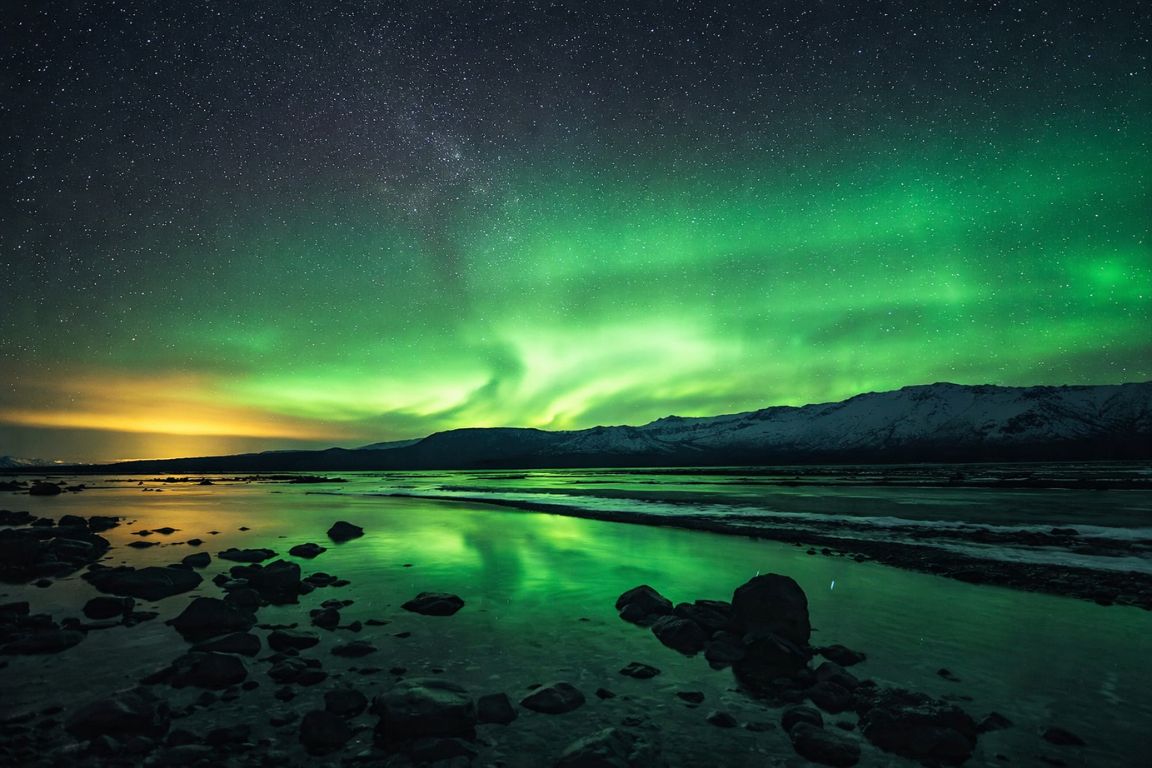
Three to four nights represent the absolute minimum for Northern Lights-focused winter visits, providing 60-80% cumulative sighting probability across multiple evening attempts accounting for weather variability.
One to two nights work only for extremely time-constrained travelers accepting 30-50% Northern Lights failure risk, treating Tromsø as brief stopover rather than destination.
Summer visits require 4-5 days minimum for meaningful hiking, midnight sun experiences, and coastal exploration taking advantage of 24-hour daylight enabling extended activities.
The minimum viable trip balances travel investment (long flights to Arctic Norway) against experiences gained, with stays under 3 nights rarely justifying the journey effort and expense.
Table: Time Requirements by Visit Purpose
| Visit Purpose | Minimum Days | Recommended Days | Ideal Days | Why This Duration | Success/Satisfaction Rate |
|---|---|---|---|---|---|
| Northern Lights Only | 3-4 nights | 4-5 nights | 5-7 nights | Weather buffer crucial | 60-80% (3-4 nights), 85-90% (5+ nights) |
| Winter Activities Complete | 5 days | 6-7 days | 7-10 days | Multiple activities + aurora | High satisfaction |
| Summer Hiking/Midnight Sun | 4-5 days | 5-6 days | 7-10 days | Trail access, weather buffer | High satisfaction |
| Quick Arctic Taste | 2-3 days | 3-4 days | 4-5 days | Sampling vs deep experience | Medium satisfaction |
| Photography Focus | 5-7 days | 7-10 days | 10-14 days | Multiple attempts, conditions | High for serious photographers |
| Cruise Shore Excursion | 6-10 hours | 6-10 hours | N/A (ship schedule) | Fixed by cruise itinerary | Low satisfaction (too rushed) |
| Business + Limited Tourism | 2-3 days | 3-4 days | 4-5 days | Work + evening activities | Medium satisfaction |
| Deep Arctic Immersion | 7-10 days | 10-14 days | 14-21 days | Remote areas, multiple regions | Very high satisfaction |
Northern Lights viewing specifically demands multiple nights since any single evening carries 30-40% cloud cover failure risk, requiring 3-4 attempts for reliable success.
The travel investment consideration matters with flights to Tromsø consuming 6-12 hours from most European origins, making 1-2 night stays poor time-to-travel ratios.
First-time Arctic visitors consistently report wishing they’d stayed longer after experiencing Tromsø, realizing 2-3 nights felt rushed missing numerous activities and experiences.
Summer’s 24-hour daylight theoretically enables more activities daily, though human energy limits mean 2-3 quality activities remain practical maximum regardless of available light.
Winter’s darkness and cold naturally slow pacing with travelers needing more indoor recovery time between outdoor activities versus summer’s comfortable extended outdoor sessions.
Most travel experts and guides recommend 4-6 days as the “sweet spot” balancing comprehensive experiences, reasonable vacation time, and budget considerations for first-time visitors.
How Does Trip Length Affect Northern Lights Success?
Single-night Northern Lights attempts succeed only 30-40% of the time due to weather unpredictability, with clouds, storms, or low aurora activity preventing sightings.
Three nights provide 60-70% cumulative success probability through multiple evening attempts compensating for inevitable cloudy nights blocking aurora views.
Four to five nights push cumulative success rates to 75-85% with enough attempts that even two cloudy nights still leave 2-3 clear opportunities.
Seven-plus nights achieve 90-95% Northern Lights success approaching near-certainty barring extremely unusual weather patterns or historically weak solar activity.
Have your Tromsø dates? Check an aurora departure early in your stay before filling the remaining evenings with other plans. Check Your Tromsø Aurora Date
Table: Northern Lights Success Rate by Trip Duration
| Nights in Tromsø | Single Night Success | Cumulative Success Rate | Failed Trip Probability | Why This Rate | What Happens If You Fail |
|---|---|---|---|---|---|
| 1 night | 30-40% | 30-40% | 60-70% | Weather blocks 60-70% of nights | Leave disappointed, wasted trip |
| 2 nights | 30-40% per night | 50-60% | 40-50% | Still risky, weather dependent | High disappointment risk |
| 3 nights | 30-40% per night | 60-70% | 30-40% | Reasonable buffer | Acceptable risk level |
| 4 nights | 30-40% per night | 70-80% | 20-30% | Good probability | Low disappointment risk |
| 5 nights | 30-40% per night | 75-85% | 15-25% | Very good probability | Very low disappointment risk |
| 6 nights | 30-40% per night | 80-90% | 10-20% | Excellent probability | Minimal disappointment risk |
| 7+ nights | 30-40% per night | 85-95% | 5-15% | Near certainty | More nights allow more attempts; sightings remain uncertain |
The weather unpredictability is the critical factor with Arctic conditions changing rapidly, making single-night bets on clear skies essentially gambling.
Tour operators typically offer free or discounted rebooking if Northern Lights don’t appear during tours, though this only helps multi-night visitors who have additional evenings.
The mathematical probability calculation compounds each independent evening’s 30-40% success creating cumulative rates: 1-(0.65^3) = 73% for three nights assuming 35% per-night success.
Peak season December-February offers slightly better per-night success (35-40%) than shoulder months September-October (25-30%) due to longer darkness and clearer skies.
Solar activity cycles affect baseline Northern Lights frequency independent of weather, with Solar Cycle 25 having peaked in 2024 and its declining phase keeping activity elevated into the 2026-2027 season, improving prospects.
Dedicated aurora hunters often book 5-7 nights specifically to maximize chances, treating Northern Lights success as trip’s primary objective justifying extended stays.
The disappointment factor weighs heavily with many one-night visitors leaving heartbroken after cloudy evenings, having invested significant time and money for Arctic travel.
Three nights represents the minimum responsible recommendation for Northern Lights-focused trips, with anything less being honest gambling that may end in disappointment.
Choose a departure that fits your dates; natural conditions remain uncertain. The minibus aurora chase includes warm suits, camera-setting help and high-resolution photos. Explore Small-Group Aurora Chase With HD Photos
What Can You Do in 2-3 Days in Tromsø?
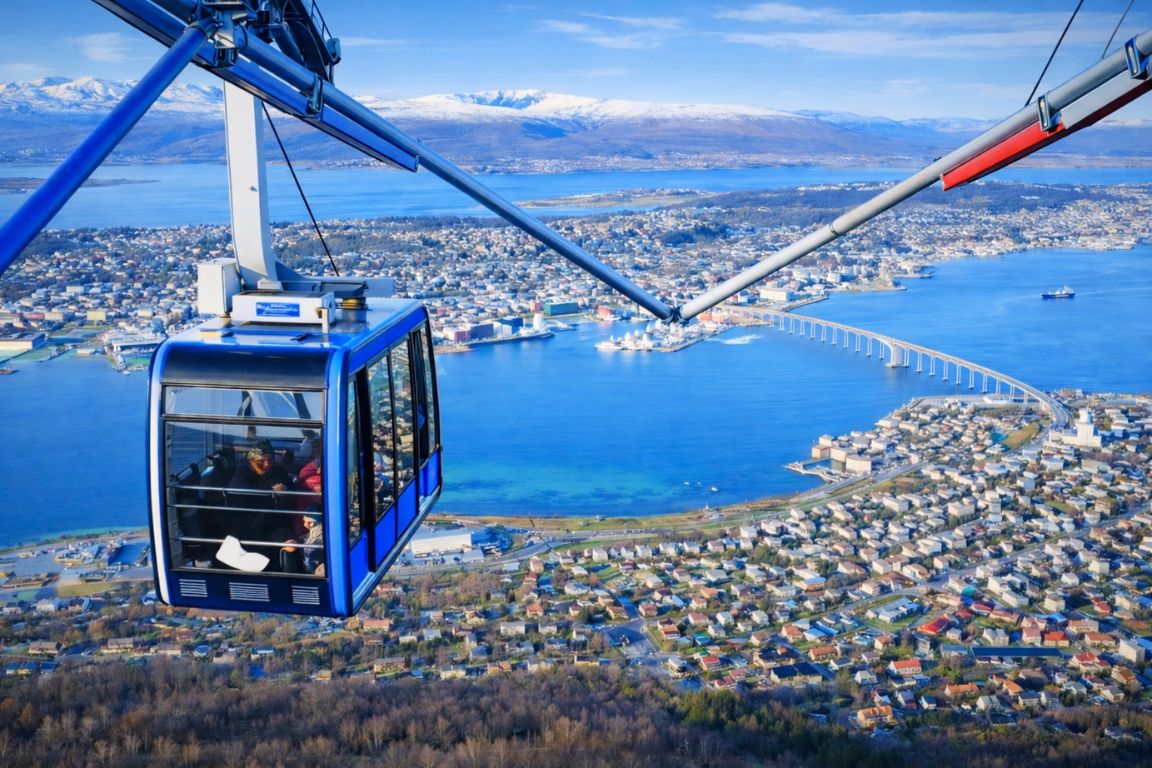
Two to three days allow experiencing Tromsø’s highlights including one Northern Lights attempt, one major activity (dog sledding or whale watching), city exploration, and Cable Car or cultural site visits.
This brief duration works for travelers passing between destinations, cruise passengers with extended shore time, or business travelers adding limited tourism to work trips.
The rushed pacing means choosing carefully among activities, accepting you’ll miss numerous experiences, and living with high Northern Lights failure risk from single evening attempt.
Sample 3-day itinerary: Day 1 arrival afternoon + city walking + evening Northern Lights tour, Day 2 dog sledding + Arctic Cathedral + Cable Car, Day 3 morning cultural experience + afternoon departure.
Table: What You Can and Can’t Do in 2-3 Days
| Activity Type | What You Can Fit | What You’ll Miss | Rushed vs Relaxed | Priority Level |
|---|---|---|---|---|
| Northern Lights | 1-2 attempts maximum | Weather backup, multiple tries | Rushed (risky) | Essential – do it |
| Dog Sledding | One session (2-4 hrs) | Multiple mushing experiences | Can fit comfortably | High priority |
| Whale Watching | One tour (6-8 hrs) | Multiple attempts, other boats | Doable but tight | High if Nov-Jan |
| City Exploration | Walking tour, main sights | Deep cultural immersion | Quick overview | Medium priority |
| Cable Car/Fjellheisen | Quick visit (2 hrs) | Hiking up, extended time | Can fit easily | Medium priority |
| Cultural Sites | 1-2 sites (museum, cathedral) | Multiple museums, depth | Brief visits | Medium priority |
| Snowmobile Safari | Maybe one tour | Extended expeditions | Very tight fit | Lower priority |
| Day Trips | Not realistic | Senja, Rio Celeste, etc | Impossible | Skip entirely |
| Multiple Aurora Chases | 1-2 evenings maximum | 3-4+ attempts for success | High failure risk | Do what you can |
| Hiking/Nature | Very brief walks only | Proper hikes, remote areas | No time | Skip winter, brief summer |
| Relaxation | Almost none | Spa, leisure time | Constant movement | Accept rushed pace |
The two-day challenge is that one full activity day sandwiches between arrival and departure half-days, leaving just 24-36 hours of actual activity time.
Northern Lights viewing on arrival evening (after 4pm+ flights) often works despite jet lag since tours run 6pm-midnight with guides providing excitement keeping you awake.
Dog sledding or whale watching consume 4-8 hours including transport, making them Day 2’s primary activity with city sightseeing filling morning or evening slots.
The trade-off tension exists between doing 2-3 quick activities versus one properly, with most guides recommending quality over quantity even in short stays.
Cable Car rides to Fjellheisen take 2-3 hours total making them perfect filler activities between major tours or on departure morning before afternoon flights.
Winter’s limited daylight (0-6 hours December-January) actually helps short visits by compressing activity windows, with darkness required for Northern Lights anyway.
Summer’s 24-hour daylight theoretically allows more activities though human energy still limits 2-3 quality experiences daily regardless of available light.
The three-day advantage over two days adds one full activity day, allowing 2 major tours (dog sledding + whale watching) plus Northern Lights attempts versus choosing just one.
Budget travelers appreciate shorter stays reducing accommodation costs, though fixed expenses like flights mean per-day costs actually increase with shorter durations.
Most visitors choosing 2-3 days do so due to time constraints rather than preference, with nearly all wishing they’d allocated more time after experiencing Tromsø.
What Is the Ideal Duration for First-Time Visitors?
Four to six days provides the ideal balance for first-time Arctic visitors covering essential experiences, providing Northern Lights weather buffer, and allowing relaxed pacing without exhaustion.
This duration enables 2-3 Northern Lights attempts (70-80% success), 3-4 major activities (dog sledding, whale watching, cultural tours), city exploration, and contingency time for weather delays.
Five days specifically emerges as the “perfect duration” most commonly recommended by travel guides and returning visitors after experiencing both shorter and longer Tromsø stays.
The five-day window allows comprehensive Arctic sampling without requiring extended vacation time or massive budget investment, making it accessible for most international travelers.
For complete sample itineraries with daily schedules, activity priorities, and timing strategies based on trip length, see our itinerary ideas for first-timers planning guide.
Check reindeer-sledding dates before arranging another winter activity; the four-hour experience includes transfers, feeding, Sámi storytelling and lunch. Check Reindeer Sledding Dates
Table: Ideal First-Time Visit 5-Day Sample Itinerary
| Day | Morning (8am-12pm) | Afternoon (12pm-6pm) | Evening (6pm-12am) | Activity Hours | Budget (Mid-Range) | Notes |
|---|---|---|---|---|---|---|
| Day 1 | Flight arrival 11am-1pm | City walking tour self-guided, lunch | Northern Lights tour 6pm-12am | 4 hrs activities | €200 (flights separate) | Jet lag manageable on tour |
| Day 2 | Dog sledding 8am-12pm | Lunch, rest/hotel | Arctic Cathedral visit, Cable Car | 6 hrs activities | €250 | Most physically demanding day |
| Day 3 | Whale watching 7am-3pm (Nov-Jan) | Late lunch, rest | Northern Lights attempt DIY or second tour | 8+ hrs activities | €200 | Long day but rewarding |
| Day 4 | Tromsø Museum or Polaria aquarium | Lunch, local area exploration | Northern Lights third attempt or rest | 4 hrs activities | €120 | Easier recovery day |
| Day 5 | Sami cultural experience or snowmobile | Lunch, pack, prepare | Depart evening 5pm+ | 4 hrs activities | €180 | Morning activity before flight |
| TOTALS | 3-4 major activities | Balanced pacing | 3 aurora attempts | 26-30 hrs total | €950 + flights + accommodation | Comprehensive experience |
The five-day structure provides three Northern Lights attempts (nights 1, 3, 4) delivering 70-80% cumulative success probability through multiple weather windows.
Dog sledding on Day 2 after initial jet lag recovery allows full energy for the physically demanding mushing experience requiring alertness and coordination.
Whale watching (November-January only) fits Day 3 as the longest most intensive day, with 8-hour boat tours requiring strong constitution for open ocean conditions.
Day 4’s lighter schedule provides recovery time after two intense activity days, preventing exhaustion that plagues rushed multi-day Arctic itineraries.
The morning departure Day 5 allows one final activity before afternoon/evening flights, maximizing time rather than wasting final morning packing or waiting at hotels.
Budget flexibility exists with this structure accommodating €600-900 budget version (hostels, self-catering, DIY aurora, fewer tours) or €1,500-2,000 luxury (premium hotels, private tours, fine dining).
Winter versus summer variations adapt this structure: winter prioritizes Northern Lights and snow activities, summer emphasizes hiking and midnight sun with same overall pacing.
First-time visitors consistently rate 5-day stays as “perfect length” in post-trip surveys, feeling satisfied they experienced Arctic comprehensively without excessive time away from home.
The alternative 4-day condensed version removes Day 4’s recovery/lighter schedule, creating slightly rushed pacing that some energetic travelers prefer for action-packed trips.
Six-day extensions add either Senja Island day trip, Lyngen Alps skiing, or additional cultural deep-dives for visitors wanting slightly more comprehensive experiences.
How Long Should Photography-Focused Visits Be?
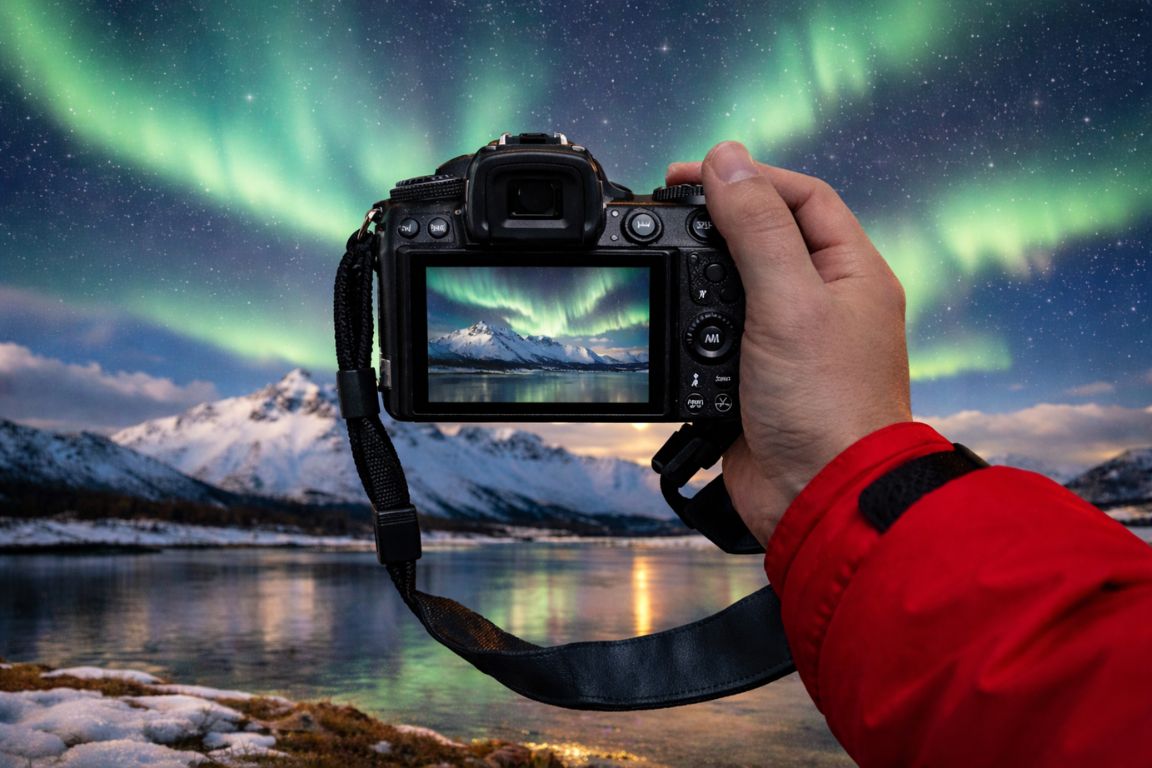
Serious photographers need 7-10 days minimum capturing Northern Lights across multiple conditions, experimenting with compositions, and achieving portfolio-quality aurora images.
The photography timeline accounts for weather unpredictability requiring multiple attempts, time experimenting with settings and locations, and dedication to early morning/late evening optimal light.
Winter aurora photography specifically demands patience with 5-7 evening attempts needed for both seeing Northern Lights AND capturing them under ideal conditions versus just viewing.
Landscape photographers wanting comprehensive Arctic coverage need 10-14 days accessing varied locations during optimal light, including golden hour (limited winter), blue hour, and night sessions.
Check your actual date before arranging other night photography: this hunt lasts 5–8 hours and includes web-size souvenir photos. Check Photography Hunt Dates
Table: Photography Duration Requirements
| Photography Type | Minimum Days | Recommended Days | Why Extended Time Needed | Key Considerations |
|---|---|---|---|---|
| Northern Lights Casual | 3-4 nights | 4-5 nights | Basic aurora shots, few attempts | Learn settings from guides |
| Northern Lights Serious | 5-7 nights | 7-10 nights | Portfolio quality, multiple conditions | Weather buffer critical |
| Landscape Winter | 5-7 days | 7-10 days | Limited daylight, blue hour, varied locations | Polar night compositions |
| Landscape Summer | 7-10 days | 10-14 days | Midnight sun, hiking access, weather | Extended golden hour |
| Wildlife (Whales) | 3-5 days | 5-7 days | Multiple boat trips, whale behavior | Nov-Jan only, motion sickness |
| Cultural/People | 4-6 days | 6-8 days | Build rapport, Sami access, varied subjects | Patience, permissions |
| Comprehensive Portfolio | 10-14 days | 14-21 days | All types: aurora, landscape, wildlife, culture | Expensive but thorough |
Photography-specific challenges include weather dependence requiring multiple attempts, heavy equipment weight (camera + lenses + tripod = 15-25 lbs), and cold draining batteries rapidly.
The aurora photography learning curve means first 2-3 nights involve trial-and-error finding proper settings, with quality images typically emerging nights 4-5+ after technique mastery.
Landscape photographers benefit from extended stays allowing flexible response to optimal conditions, spending entire days at single locations perfecting compositions versus rushed tourist schedules.
Winter blue hour during polar night creates magical 2-3 hour twilight periods mid-day ideal for landscape photography, requiring patience waiting for these brief windows.
Summer midnight sun provides endless golden hour around midnight when sun circles horizon at low angles, rewarding photographers willing to shoot 10pm-2am when locations are empty.
Wildlife photography for whales requires multiple boat trips since whale behavior is unpredictable, with serious photographers booking 3-4 separate whale watching tours across 5-7 days.
The cost-benefit analysis for photography trips questions whether 10-14 day stays justify €2,000-4,000 total expenses for portfolio-quality images versus shorter trips.
Photography workshops (€150-250 per day) extend stays but provide intensive instruction, location knowledge, and model/cultural access justifying higher costs for learning.
Most amateur photographers adequately served by 5-7 days achieving good Northern Lights photos and landscape shots without the dedication required for professional-quality portfolios.
Prepare properly with our complete packing guide featuring season-specific clothing lists, gear recommendations, rental versus purchase decisions, and luggage size requirements.
What Can You Accomplish in 7-10 Days?
Seven to ten days enables deep Arctic immersion including all major Tromsø activities, day trips to Senja Island or Lyngen Alps, multiple Northern Lights attempts, and relaxed pacing without rushing.
This extended duration provides comprehensive winter experiences doing dog sledding, whale watching, snowmobiling, Northern Lights multiple times, Sami culture, fishing, and even spring skiing.
The extra days allow weather flexibility waiting for optimal conditions, recovery time between intensive activities, and spontaneous additions based on interests discovered during the trip.
Week-plus stays reduce daily cost pressure by spreading fixed expenses (flights, travel insurance) over more days, actually lowering per-day costs versus shorter trips.
Table: 7-Day Complete Arctic Experience Sample Itinerary
| Day | Primary Activity | Secondary Activity | Evening | Type | Intensity |
|---|---|---|---|---|---|
| Day 1 | Arrive 11am, settle in | City exploration, Arctic Cathedral | Northern Lights tour | Orientation | Light |
| Day 2 | Dog sledding 8am-12pm | Lunch, Polaria aquarium | Northern Lights DIY attempt | Adventure | High |
| Day 3 | Whale watching 7am-3pm | Rest/recovery | Northern Lights tour #2 | Wildlife | Very High |
| Day 4 | Tromsø Museum, Sami culture | Lunch, local exploration | Rest evening | Cultural | Light |
| Day 5 | Snowmobile safari morning | Lunch, Cable Car afternoon | Northern Lights DIY or rest | Adventure | Medium |
| Day 6 | Senja Island day trip or Lyngen skiing | All day excursion | Return evening, rest | Adventure | High |
| Day 7 | Fishing tour or cross-country skiing | Lunch, shopping, packing | Farewell dinner, depart late | Activity | Medium |
The seven-day structure includes three organized Northern Lights tours (nights 1, 3, plus DIY night 5) plus flexible DIY attempts other evenings totaling 5-6 aurora opportunities.
Major adventures (dog sledding, whale watching, snowmobile, day trips) spread across the week prevent exhaustion, with lighter cultural/recovery days (4) interspersed maintaining energy.
Day 6’s Senja Island excursion (100km west) or Lyngen Alps skiing visit (60km east) adds geographic diversity beyond immediate Tromsø area showing broader regional beauty.
Winter fishing trips through ice or from boats provide authentic Norwegian outdoor experiences at moderate €80-120 costs versus expensive €180-280 snowmobile safaris.
The recovery rhythm alternates intensive days (2, 3, 6) with lighter days (4, 7) preventing the burnout that afflicts travelers attempting high-intensity activities for 7 straight days.
Extended stays enable contingency adjustments when weather cancels planned activities, rebooking for later days rather than missing experiences entirely like shorter visits.
Budget distribution across 7 days spreads costs creating €150-250 daily averages (€1,050-1,750 total) including accommodation, meals, and activities for mid-range travelers.
The psychological benefit of extended stays removes constant time pressure allowing spontaneous decisions like “let’s try that restaurant” or “let’s revisit the Cable Car at sunset” without schedule conflicts.
Social connections deepen over week-long stays with repeated interactions at hostels, favorite cafes, or tour operators creating friendships versus transient 2-3 day anonymous tourism.
Most visitors attempting 7-10 days report it as their favorite trip length achieving comprehensive experiences without the “now what?” feeling that emerges beyond 10-14 days.
How Does Season Affect Required Days?
Winter Northern Lights focus demands 4-6 days minimum providing multiple aurora attempts and winter activities, with weather unpredictability requiring extra buffer time.
Summer hiking trips need 5-7 days for meaningful trail exploration taking advantage of 24-hour daylight, with weather remaining variable requiring backup days despite longer season.
Shoulder seasons September-October or March-April work with shorter 3-5 day stays due to lower crowds and cheaper costs, though weather unpredictability increases versus peak seasons.
Winter’s polar night darkness naturally slows pacing with 0-6 hours of daylight limiting daytime activities, making 5-7 days feel less rushed than equivalent summer duration.
For a comprehensive season-by-season comparison covering phenomena, temperatures, activities, costs, and optimal timing, see our winter vs summer complete comparative guide for Tromsø.
Check the Sommarøy road trip on your actual travel date before arranging other plans. It takes 4½–5 hours, followed by a required three-hour buffer before a flight or cruise. Check Sommarøy Tour Dates
Table: Seasonal Duration Recommendations
| Season | Minimum Days | Ideal Days | Why | Main Activities | Weather Impact | Crowd Level |
|---|---|---|---|---|---|---|
| Deep Winter (Dec-Feb) | 4-5 nights | 5-7 days | Northern Lights buffer, polar night pacing | Aurora, dog sledding, snowmobile, whales | High unpredictability | Very high crowds |
| Late Winter (Mar) | 3-4 nights | 4-6 days | Aurora ending, sun returning | Late aurora, spring skiing, some daylight | Moderate unpredictability | High crowds |
| Spring (Apr-May) | 3-4 days | 4-5 days | Shoulder season, transitional | Limited – awkward season | Very unpredictable | Low-medium crowds |
| Summer Peak (Jun-Jul) | 4-5 days | 5-7 days | Midnight sun, hiking, weather | Hiking, midnight sun, fishing, fjords | Most stable weather | High crowds |
| Late Summer (Aug) | 4-5 days | 5-6 days | Fewer crowds, still good | Hiking, fishing, autumn colors | Moderate stability | Medium-high crowds |
| Autumn (Sep-Oct) | 3-4 nights | 4-5 nights | Aurora returns, budget option | Early aurora, hiking winding down | Unpredictable | Low-medium crowds |
Winter’s activity-intensive nature requires more recovery time with cold, darkness, and physical activities like dog sledding creating exhaustion needing rest days built into itineraries.
Summer’s midnight sun enables theoretically unlimited activity timing, though human bodies still need 7-8 hours sleep and can handle only 2-3 quality experiences daily.
The seasonal cost consideration shows winter’s expensive peak season (€150-250 daily) benefits from longer stays spreading accommodation costs, while cheaper shoulder seasons (€100-150 daily) make shorter trips more economical.
November-January whale watching season adds unique activity justifying 5-7 day winter visits incorporating multiple whale attempts beyond just Northern Lights hunting.
Summer hiking requires 5-7 days for serious trail exploration with proper overnight hikes, ascents of major peaks like Store Blåmann (1044m), or multi-day coastal trekking.
Spring shoulder season (April-May) generally doesn’t justify extended stays due to poor conditions – trails snow-covered, aurora season ended, awkward weather making 3-4 days maximum advisable.
Autumn September-October offers good value for 4-5 day trips with returning Northern Lights, autumn colors, moderate weather, and 25-30% lower costs than peak winter.
The midnight sun summer paradox creates challenges sleeping despite 24-hour daylight, with some visitors finding 5-6 days maximum before sleep deprivation affects enjoyment.
For detailed month-by-month aurora viewing success rates, weather patterns, and optimal timing, see our guide on the best months to see the Northern Lights in Tromsø.
Discover whale watching between late October and January on a 7–9-hour cruise with heated saloons, outdoor decks and guides. Explore Seasonal Whale Watching
How Do Different Traveler Types Determine Duration?
Families with children need 5-7 days allowing flexible pacing, pool time, early bedtimes, and backup days for childhood illnesses or meltdowns incompatible with rushed schedules.
Solo travelers enjoy maximum flexibility choosing any duration, often selecting 4-6 days as sweet spot for social hostel connections and comprehensive experiences without excessive costs.
Budget travelers benefit from 5-7 days spreading fixed flight costs over more days, reducing per-day expenses while enabling cheaper self-catering groceries bought in bulk.
Adventure enthusiasts wanting multiple activities need 6-10 days doing dog sledding, snowmobiling, skiing, ice climbing, plus Northern Lights resulting in activity-packed exhausting schedules.
Table: Recommended Duration by Traveler Type
| Traveler Type | Minimum Duration | Recommended Duration | Ideal Duration | Why | Key Considerations |
|---|---|---|---|---|---|
| First-Time Visitors | 4 days | 5-6 days | 6-7 days | Comprehensive intro, weather buffer | Don’t underbook |
| Returning Visitors | 3-4 days | 4-5 days | 5-7 days | Can skip intro activities | Focus on new experiences |
| Families with Kids | 5 days | 6-7 days | 7-10 days | Flexible pacing, backup days | Kids need breaks |
| Solo Travelers | 3-4 days | 4-6 days | 5-7 days | Maximum flexibility | Budget vs experience |
| Couples Romantic | 4-5 days | 5-6 days | 6-8 days | Balance activity and relaxation | Quality over quantity |
| Budget Travelers | 5 days | 5-7 days | 7-10 days | Spread fixed costs | Longer = cheaper per day |
| Luxury Travelers | 3-5 days | 4-6 days | 5-8 days | Quality over quantity | Private tours, comfort |
| Adventure Enthusiasts | 6-8 days | 7-10 days | 10-14 days | Multiple activities, recovery | High intensity |
| Photographers Serious | 7-10 days | 10-14 days | 14-21 days | Weather buffer, portfolio | Expensive but necessary |
| Elderly/Limited Mobility | 4-5 days | 5-6 days | 6-7 days | Slower pace, accessible activities | Manageable schedule |
Families should add 1-2 extra days beyond standard recommendations allowing pool time, earlier tour starts (8am vs 6:30am), and contingency for sick children.
Solo travelers maximize value from 5-7 day stays making hostel friends over multiple nights and joining group tours where solo pricing equals couple pricing.
Couples seeking romantic Arctic getaways balance activities with relaxation, preferring 5-6 days doing 1-2 major activities daily plus private dining and leisure time.
Budget travelers’ longer stays (5-7 days) spread €200-300 flight costs over more days reducing per-day from €100 (2-day trip) to €40 (5-day trip).
Luxury travelers prioritize quality over quantity needing shorter stays (4-6 days) with private tours, fine dining, and premium accommodations costing €400-700 daily.
Adventure maximizers pack 7-10 days with dog sledding, snowmobiling, ice climbing, backcountry skiing, whale watching, and multiple Northern Lights chases accepting exhaustion.
Elderly or limited mobility visitors need 5-6 days with easier pacing, accessible activities (boat tours, Cable Car, museums), and no physically demanding requirements.
Business travelers with fixed schedules add 1-2 days either before or after meetings for minimal tourism, accepting brief sampling over comprehensive experiences.
How Does Budget Influence Ideal Duration?
Longer stays (5-7+ days) reduce per-day costs by spreading fixed expenses like flights (€200-400), travel insurance (€50-100), and winter gear purchases (€100-300) over more days.
The per-day cost calculation shows €200 flight + €500 accommodation/activities = €700 ÷ 2 days = €350/day versus €700 + €1,000 = €1,700 ÷ 7 days = €243/day.
Budget travelers specifically benefit from 5-7 day stays enabling bulk supermarket purchases, hostel kitchen usage, and DIY activities spreading costs versus expensive rushed 2-3 day trips.
Luxury travelers care less about duration economics, preferring quality over quantity with 4-5 day stays doing exclusively premium experiences without budget pressure.
Planning your visit to Tromsø requires coordinating seasons, activities, accommodation, and logistics—our comprehensive travel guide walks you through every decision step-by-step.
Table: Budget Impact on Duration Decision
| Budget Level | Daily Cost | Ideal Days for Value | 5-Day Total | 7-Day Total | Per-Day Savings (7 vs 5 Days) | Strategy |
|---|---|---|---|---|---|---|
| Ultra-Budget | €80-120 | 5-7 days | €400-600 + flights | €560-840 + flights | €14-26 per day | Spread costs, bulk groceries |
| Budget | €120-180 | 5-7 days | €600-900 + flights | €840-1,260 + flights | €17-34 per day | Self-cater, selective activities |
| Mid-Range | €180-250 | 4-6 days | €900-1,250 + flights | €1,260-1,750 + flights | €23-50 per day | Comfortable balance |
| Comfort | €250-350 | 4-5 days | €1,250-1,750 + flights | €1,750-2,450 + flights | €36-100 per day | Quality priority |
| Luxury | €400-700+ | 3-5 days | €2,000-3,500 + flights | €2,800-4,900 + flights | €114-200 per day | Don’t care about economy |
The fixed cost advantage shows longer trips spreading €200-400 flights, €50-100 insurance, €100-300 gear purchases across 7 days = €50-114 per day versus 3 days = €117-267 per day.
Budget travelers doing 7-day trips save €100-200 total through bulk supermarket shopping (buying week’s groceries), multi-day bus passes (€40-50), and spreading rental car costs (€350 ÷ 4 people ÷ 7 days = €12.50 daily).
The accommodation economy improves with weekly rates at some hotels or Airbnb apartments reducing €120 nightly to €100-110 average across 7-night stays.
Tour package deals sometimes offer better value booking multiple activities together, which longer stays enable versus single-activity shorter trips.
Mid-range travelers find 5-6 days optimal balancing comprehensive experiences (€900-1,500 total) against vacation time and budget constraints without extreme deprivation or excessive costs.
The diminishing returns question emerges beyond 7-10 days when travelers ask “what else is there?” with marginal activities costing €80-150 not justifying continued high daily accommodation/meal expenses.
Cost-conscious strategies include visiting shoulder seasons (September-October) saving 25-30% daily versus peak winter, using hostels (€30-50) versus hotels (€120-180), self-catering (€15-30) versus restaurants (€60-100).
Luxury travelers prioritize experience quality over duration economics, comfortable spending €400-700 daily for 4-5 days totaling €2,000-3,500 without concern for per-day savings.
Compare the current quote with your own group budget. The 5–8-hour aurora hunt includes a warm meal, thermal suit and web-size photos. Explore Aurora Hunt With Meal And Photos
FAQs
Check your travel date before arranging other plans. The 5–8-hour aurora hunt includes a warm meal, thermal suit and web-size photos. Check Your Tromsø Aurora Date
How many days do you need in Tromsø for Northern Lights?
Minimum 3-4 nights for 60-80% cumulative success probability across multiple weather attempts, with 5-7 nights achieving 85-95% success through extended buffer time. Check the small-group hunt's live dates.
Check the full outing length before filling the rest of your day. The minibus aurora chase includes warm suits, camera-setting help and high-resolution photos. Explore Small-Group Aurora Chase With HD Photos
Is 3 days enough for Tromsø?
Three days (2-3 nights) works for time-constrained visitors covering highlights including 1-2 Northern Lights attempts, one major activity, and city exploration, though feeling rushed with high aurora failure risk.
Check your travel date before arranging other plans. The 2½-hour city walk combines local history with included Polar Museum admission. Check City Walk And Museum Dates
What is the best length of stay in Tromsø?
Five days represents the ideal balance for first-time visitors covering comprehensive experiences, providing Northern Lights weather buffer, and allowing relaxed pacing without excessive vacation time or costs.
Can you see everything in Tromsø in 2 days?
No, 2 days allows only surface-level sampling with single Northern Lights attempt (30-40% success), one activity, and brief city tour, missing numerous experiences and accepting high disappointment risk.
Check your travel date before arranging other plans. The 2½-hour city walk combines local history with included Polar Museum admission. Check City Walk And Museum Dates
How long should I stay in Tromsø in winter?
Four to six days for Northern Lights-focused winter visits providing multiple aurora attempts (70-85% success), 2-3 major winter activities, and weather buffer for cancellations or rescheduling.
Is one week too long for Tromsø?
No, seven days enables comprehensive Arctic immersion including all major activities, day trips to Senja or Lyngen, multiple Northern Lights chances, and relaxed pacing creating ideal complete experience.
Check your travel date before arranging other plans. The 5–8-hour aurora hunt includes a warm meal, thermal suit and web-size photos. Check Your Tromsø Aurora Date
How to Determine Your Perfect Tromsø Duration
Prioritize your primary objective whether Northern Lights (requires 4-5 nights minimum), summer hiking (needs 5-7 days), or quick Arctic sampling (accepts 2-3 day risks).
Calculate realistic budget including flights (€200-400), accommodation (€25-180 nightly), activities (€80-250 daily), and meals (€15-100 daily) determining affordable duration.
Assess vacation time availability balancing comprehensive 5-7 day ideal against work constraints, considering that 2-3 days feels rushed while 10+ days creates diminishing returns.
Consider weather flexibility with Northern Lights requiring 3-4 night buffer minimum, while summer activities tolerate shorter stays though benefiting from 5-6 day weather contingency.
Evaluate activity priorities counting major experiences wanted (Northern Lights tours, dog sledding, whale watching, snowmobiling, hiking, cultural sites) requiring roughly 1 day per major activity.
Factor traveler type specifics including families needing extra days (6-7 minimum), photographers requiring extended stays (7-10+), or budget travelers benefiting from longer durations (5-7) spreading costs.
Accept that first-time visitors consistently wish they’d booked longer after arrival, with 5-6 days being the minimum to avoid post-trip regret.
Plan 4-6 days as default starting point for most visitors, adjusting up for comprehensive experiences or down only if absolutely necessary due to constraints.
Glossary
- Cumulative Success Rate: Probability of Northern Lights success across multiple attempts, compounding each independent evening’s 30-40% chance over 3-7 nights.
- Weather Buffer: Extra nights beyond minimum allowing rescheduling canceled activities or additional Northern Lights attempts when initial evenings have clouds.
- Polar Night: November 21-January 21 period when sun never rises creating 24-hour darkness naturally slowing pacing and limiting daytime activities.
- Midnight Sun: May 20-July 22 period when sun never sets enabling 24-hour outdoor activities though human energy still limits daily experiences to 2-3.
- Day Trip: Extended excursion to Senja Island, Lyngen Alps, or other regions 60-150km from Tromsø requiring full-day commitment 8-10 hours total.
Check your travel date before arranging other plans. The 5–8-hour aurora hunt includes a warm meal, thermal suit and web-size photos. Check Your Tromsø Aurora Date
Key Takeaways
- Ideal Tromsø duration is 5 days balancing comprehensive experiences, Northern Lights weather buffer, and reasonable vacation time for first-time visitors.
- Minimum 3-4 nights essential for Northern Lights with 60-80% cumulative success across multiple weather attempts versus 30-40% single night.
- One-two nights insufficient with terrible time-to-travel ratio, high aurora failure risk (60-70%), and surface-level rushed experiences leaving 95%+ wishing they’d stayed longer.
- Seven-ten days enables complete Arctic immersion including all major activities, Senja/Lyngen day trips, multiple aurora attempts (90-95% success), and relaxed pacing without rushing.
- Northern Lights specifically require multiple nights with cumulative success: 50-60% (2 nights), 60-70% (3 nights), 70-80% (4 nights), 75-85% (5 nights), 85-95% (7+ nights). Four-six days recommended for first-timers covering 2-3 Northern Lights attempts, 3-4 major activities, city exploration, weather contingency.
- Winter demands 4-6 days minimum with polar night slowing pacing, Northern Lights requiring buffer, and cold requiring recovery time between activities.
- Summer needs 5-7 days for comprehensive hiking, midnight sun experiences, fjord exploration taking advantage of 24-hour daylight.
- Photographers require 7-14 days for portfolio-quality work with weather buffer, multiple aurora conditions, composition experimentation.
- Budget travelers benefit from longer stays (5-7 days) spreading fixed flight costs (€200-400) over more days reducing per-day expenses.
- Sample 5-day itinerary: Day 1 arrival + Northern Lights, Day 2 dog sledding + sights, Day 3 whale watching + aurora, Day 4 cultural + rest, Day 5 morning activity + departure.
- Families need 6-7 days with flexible pacing, backup days, pool time, easier scheduling than couples or solo travelers.
- Extended stays (7-10+ days) see diminishing returns beyond comprehensive activity completion though enabling deeper immersion.
- Cost per day decreases with longer stays: €350/day (2 days) vs €243/day (7 days) through fixed cost spreading.
- Cruise passengers getting 8-12 hours shore time get surface sampling only without genuine Tromsø experience.
- Business travelers can add 1-2 days for minimal tourism accepting brief sampling over comprehensive visits. If you have a spare full day, check the Silent Whale Watching (Environmentally Friendly) tour.
Written by Erik Johansen, Tromsø tour guide for the past 15 years, specializing in Northern Lights expeditions and optimal Arctic itinerary planning.
Check Your Tour Date
Planning an aurora evening? Check your Tromsø date before arranging dinner or other plans; this guided hunt includes a warm meal, thermal suit and web-size souvenir photos.
Adjust activity, timing or group needs
General recommendations: confirm dates and group requirements
Use arrival or departure time for a self-guided city walk, the harbor, museums or the Arctic Cathedral area. Keep additional evenings flexible for independent sky checks from a safe dark location, but do not treat any night as guaranteed and do not attempt unfamiliar winter driving solely to chase clearer skies.
Compare Your Group’s Real Costs
Use current quotes in the same currency. Include transport, fuel, parking and equipment in your DIY total. Include all participants and extras in the tour total.
Booking takes place with the provider. Prices, exact departures and available options are shown there. We may earn a commission when you book through these links.