Tromsø Transportation Guide: How to Get Around
Tromsø transport guide: Public buses €12-15 day pass, airport bus €5, taxis €15-30. No Uber. Walk compact center. Car rental €50-100 daily. Complete 2026 tips.
Last updated: August 31, 2026
TL;DR
Tromsø has NO trams or trains – transportation options include public buses, taxis, car rental, walking, and limited ferries. Public bus system operates 28 routes charging €4-5 single fares or €12-15 unlimited day passes with frequent service 7am-11pm weekdays, reduced weekends. Airport to city center: bus line 40/42 costs €5 (15 minutes) or taxi €25-35 (10 minutes). Most visitors use combination of walking city center (1-2km distances) plus buses for outer areas like Tromsdalen or Kvaløya. Rental cars cost €50-100 daily making sense only for groups 4+ splitting costs (€12-25 each) or extensive DIY Northern Lights chasing. Taxis expensive at €15-30 typical rides though worth it for airport with luggage or late-night convenience. No Uber/Lyft – use traditional taxi companies (Tromsø Taxi 07000). Bus tickets purchased onboard with cash/card, no advance booking needed. Walking handles most tourist needs within compact 2km city center including harbor, downtown shopping, restaurants. Cycling works summer (May-September) with rentals €15-25 daily though winter ice makes biking impossible. Ferry to Kvaløya island free for vehicles/passengers, operating 24/7 every 20-30 minutes. Winter driving requires experience with black ice, limited visibility, and -15°C cold. Budget travelers use buses/walking exclusively saving €40-80 daily versus taxis. Download offline Google Maps for navigation since cell service spotty in remote Northern Lights locations.
5–8 hours for aurora hunt with meal and photos. Book The Aurora Hunt
Discover what fits this part of your trip. The 5–8-hour aurora hunt includes a warm meal, thermal suit and web-size photos. Explore Aurora Hunt With Meal And Photos
What Transportation Options Exist in Tromsø?

Public buses operated by Troms Fylkestrafikk run 28 routes throughout Tromsø and surrounding areas charging €4-5 single fares with frequent service connecting city center to mainland, airport, and suburbs.
Taxis provide door-to-door convenience at premium €15-30 typical rides with regulated licensed operators available via phone (07000), apps, or street hail but no Uber/Lyft availability.
Car rental from companies at airport and downtown enables maximum flexibility for DIY Northern Lights chasing and day trips at €50-100 daily though requiring winter driving skills.
Walking covers most tourist needs within compact 1-2km city center with flat terrain despite cold weather (-10°C to -20°C winter) limiting extended outdoor time.
Table: Transportation Options Overview Comparison
| Method | Best For | Cost | Convenience | Coverage | Season Limits | When Essential |
|---|---|---|---|---|---|---|
| Public Buses | Budget travelers, predictable routes | €4-5 single, €12-15 day | Medium | Extensive city/suburbs | Reduced winter hours | Getting to mainland areas |
| Walking | City center tourism, short distances | Free | High (cold limits) | 1-2km center only | Winter cold challenging | Downtown exploration |
| Taxis | Airport, late night, luggage, groups | €15-30 typical rides | Very High | Anywhere on-demand | None | Airport transfers, convenience |
| Car Rental | DIY tours, groups 4+, flexibility | €50-100/day | Very High | Unlimited | Winter skills required | Northern Lights DIY, day trips |
| Cycling | Summer exploration, fitness | €15-25 rental | Medium-High | City/nearby | May-Sep only (ice) | Summer eco-friendly option |
| Ferry (Kvaløya) | Accessing island, driving routes | Free | Medium | Specific route only | None | Northern Lights dark locations |
| Airport Shuttle | Airport transfer specific | €5-12 | High | Airport-center only | None | Arrival/departure |
Public buses provide the backbone of Tromsø public transport with comprehensive coverage though requiring schedule familiarity and tolerating cold waits at stops.
The important correction: Tromsø has NO trams, trains, metro, or rail transport of any kind despite being Norway’s ninth largest city – only buses and roads exist.
Walking dominates tourist movement within city center’s 1-2km radius covering harbor, Arctic Cathedral, downtown shopping, and most restaurants within 10-20 minute walks.
Taxis fill the convenience gap charging premium prices though worthwhile for airport transfers with luggage, late-night Northern Lights tour returns, or groups of 3-4 splitting costs.
Car rental economics favor groups of 4+ splitting €50-100 daily costs to €12-25 each, versus solo travelers paying full amounts making public transport more economical.
Winter driving limitations require experience with black ice, poor visibility, narrow mountain roads, and -15°C cold affecting battery and tire performance.
Ferry service operates between Tromsø island and Kvaløya island (free, 5 minutes) every 20-30 minutes 24/7, essential for accessing dark Northern Lights viewing locations.
The compact city advantage means tourists often use minimal transport with walking covering most needs, occasional buses for specific destinations, and taxis for convenience/emergencies.
Guided outings such as the Ultimate Aurora Hunt & Citizen Science Adventure in Tromso include the ride to dark-sky areas, which removes the need to plan that transfer yourself.
How Does the Public Bus System Work?
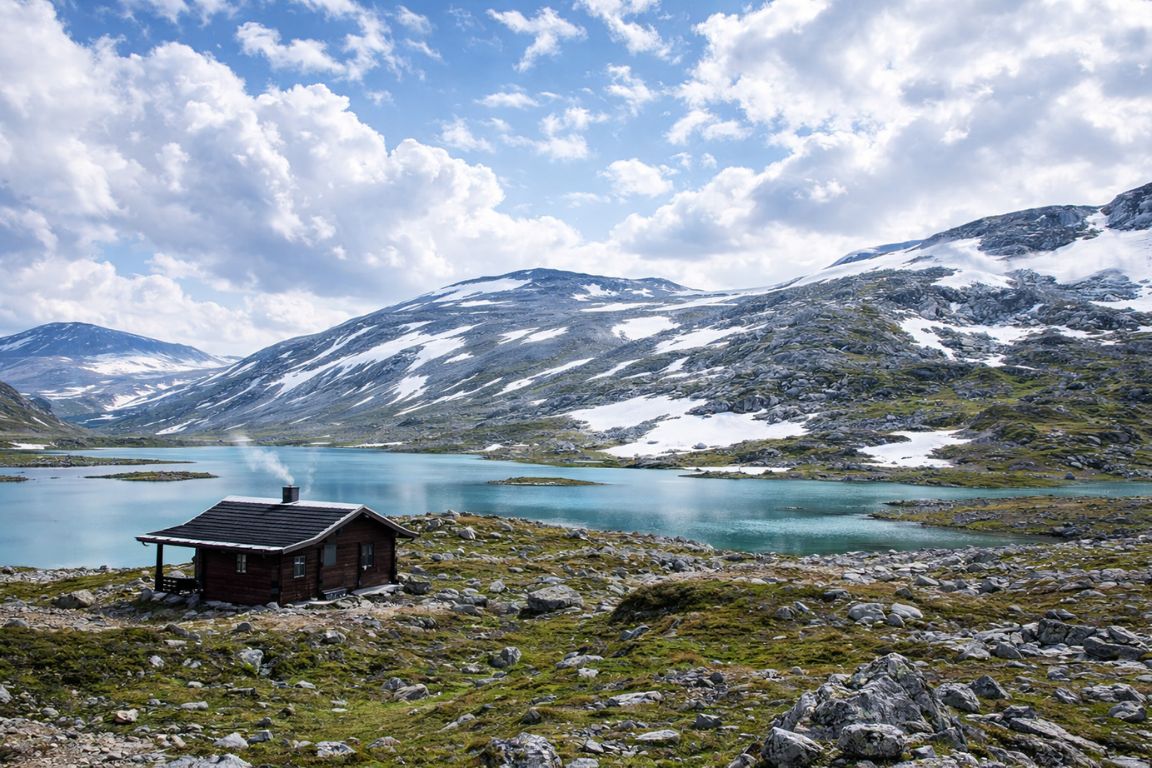
Troms Fylkestrafikk operates 28 numbered bus routes covering Tromsø city center, mainland areas (Tromsdalen, Breivika), airport (lines 40/42), and suburbs with €4-5 single-ride fares.
Buses run frequently 7am-11pm weekdays with 10-30 minute intervals on main routes, reducing to 30-60 minutes evenings/weekends and limited Sunday service.
Single tickets (€4-5) purchase onboard from driver using cash or card without advance booking, valid 90 minutes including transfers between routes.
Day passes (€12-15) provide unlimited rides within 24 hours purchased from driver, economical for 3+ rides daily saving €0-5 versus individual tickets.
Table: Public Bus Routes and Key Destinations
| Route | Key Destinations | Frequency | Operating Hours | Main Use for Tourists | Single Fare |
|---|---|---|---|---|---|
| 20/24 | City center ↔ University ↔ Tromsdalen | 10-20 min | 7am-11pm | Mainland sights, Arctic Cathedral | €4-5 |
| 26 | City center ↔ Kvaløysletta ↔ Sommarøy | 30-60 min | Limited schedule | Coastal areas, beaches | €5-8 |
| 28 | City center ↔ Breivika ↔ Tromsdalen | 15-30 min | 7am-10pm | South mainland, residential | €4-5 |
| 33/34 | City center ↔ Langnes ↔ Kvaløya | 20-40 min | 8am-8pm | Island access, suburbs | €5 |
| 40/42 | City center ↔ Airport | 15-30 min | 5am-midnight | Airport transfers | €5 |
| Various | City center local loops | 15-30 min | 7am-11pm | Downtown connections | €4-5 |
Route 40/42 airport buses run every 15-30 minutes taking 15-20 minutes from terminal to city center (Prostneset stop downtown) for €5 single fare.
The downtown hub at Prostneset serves as main transfer point where most routes intersect, creating central location for changing buses and trip planning.
Bus stop signage shows route numbers, direction, and approximate schedule though real-time information limited requiring patience waiting at stops in -15°C winter cold.
Troms Billett app (iOS/Android) provides schedules, route planning, and mobile tickets though most tourists simply pay cash/card directly to drivers without app downloads.
Day pass value calculation: 3 rides at €4-5 each = €12-15, matching day pass cost making passes worthwhile only if taking 4+ rides in single day.
Winter bus reliability suffers during heavy snow or storms with delays and cancellations common, requiring flexibility and backup plans (taxis) during severe weather.
Sunday service reduces dramatically with many routes operating 2-4 times daily versus 30+ trips weekdays, making Sunday the most challenging day for public transport.
Bus stops lack heated shelters at most locations forcing cold outdoor waits, with winter passengers timing arrivals closely using schedules rather than showing up speculatively.
The language barrier proves minimal with drivers speaking English, digital displays showing stops, and Google Maps providing accurate route planning in English.
Night buses essentially don’t exist with last departures 10-11pm, creating late-night transportation gap where Northern Lights tour returns require taxis or walking.
What Are the Airport Transfer Options?
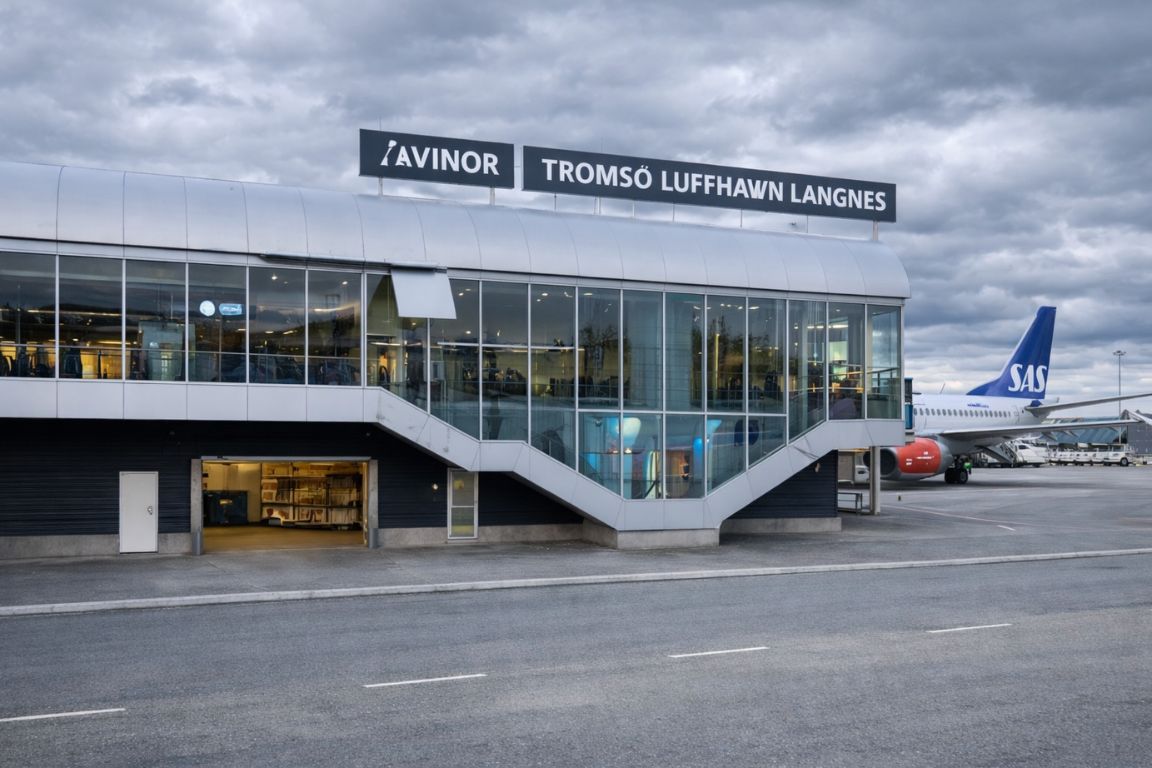
Bus lines 40 and 42 provide cheapest airport transfer at €5 (15-20 minutes) running every 15-30 minutes from 5am-midnight with stops at Prostneset city center.
Taxis offer direct door-to-door service at €25-35 (10 minutes) from airport to city center hotels, worthwhile for groups 2-4 splitting costs or travelers with heavy luggage.
Flybussen airport express doesn’t operate in Tromsø unlike Oslo/Bergen – the regular public bus 40/42 serves as the airport connection without premium express service.
Private transfers or hotel shuttles rarely exist with most accommodations expecting guests to use public buses or taxis from airport without arranged pickup.
Table: Airport Transfer Options Detailed Comparison
| Method | Cost Solo | Cost Group 2 | Cost Group 4 | Duration | Convenience | When to Use |
|---|---|---|---|---|---|---|
| Bus 40/42 | €5 | €10 (€5 each) | €20 (€5 each) | 15-20 min | Medium | Budget, light luggage |
| Taxi | €25-35 | €25-35 (€12-18 each) | €25-35 (€6-9 each) | 10-12 min | Very High | Luggage, groups, convenience |
| Rental Car Pickup | €50-100/day | €50-100/day (€25-50 each) | €50-100/day (€12-25 each) | 15 min + pickup | Very High | Planning DIY tours, extended use |
| Walk | Free | Free | Free | Impossible (6km) | N/A | Don’t attempt |
Bus 40/42 departs airport terminal every 15-30 minutes stopping at major hotels and ending at Prostneset city center, with entire route taking 20-25 minutes.
The taxi stand directly outside arrivals provides immediate access to licensed taxis without advance booking, though calling 07000 (Tromsø Taxi) works for scheduled pickups.
Group taxi economics favor 2-4 people splitting €25-35 total to €6-18 each, becoming cheaper per person than €5 bus tickets while providing direct hotel access.
Luggage considerations matter with winter travelers carrying bulky gear finding buses challenging (stairs, luggage space, stops) versus taxis’ direct trunk loading.
The airport location 6km northwest of city center makes walking impossible despite relatively short distance, requiring motorized transport for all arrivals.
Bus ticket purchase happens onboard from driver using cash (exact change helpful) or credit/debit cards (widely accepted), with €5 fare being standard regardless of exact stop.
Arrival timing affects options with flights after midnight finding no bus service requiring taxis (€30-40 late-night premium) or pre-arranged car rental pickup.
Hotel proximity to bus stops varies with downtown properties within 200-500m of Prostneset stop versus mainland hotels requiring transfers to route 20/24 for final legs.
The 5am first bus works for early departures though morning flights 6-8am may require taxis ensuring timely arrival without bus schedule risks.
Departure logistics show most visitors taking bus to airport (€5) saving €20-25 versus arrival taxis when luggage already packed efficiently and no time pressure exists.
How Do Taxis Work in Tromsø?
Tromsø Taxi (07000) operates the main fleet with licensed regulated taxis available via phone, app, street hail, or designated stands at airport, downtown, and major hotels.
Fares run €15-30 for typical city rides (2-5km) using metered pricing starting €8-10 base plus €2-3 per kilometer, with credit cards universally accepted.
No Uber or Lyft operates in Tromsø with traditional taxi companies maintaining regulated monopoly, requiring adjusting expectations for app-based rideshare users.
Taxi availability varies with immediate service common daytime downtown but 10-30 minute waits possible late evening or from remote locations requiring advance phone calls.
Table: Taxi Cost Estimates for Common Routes
| Route | Distance | Daytime Cost | Evening Cost | Passengers Included | When Worth It |
|---|---|---|---|---|---|
| Airport ↔ City Center | 6km | €25-30 | €30-35 | 4 max | Groups 2+, luggage |
| City Center ↔ Tromsdalen | 3-4km | €15-20 | €18-25 | 4 max | Late night, cold weather |
| City Center ↔ Kvaløya Bridge | 8km | €30-40 | €35-45 | 4 max | Northern Lights locations |
| Downtown Short Ride | 1-2km | €10-15 | €12-18 | 4 max | Heavy shopping, exhaustion |
| City Center ↔ Cable Car Base | 2km | €12-18 | €15-22 | 4 max | Avoiding uphill walk |
| After Midnight (Any) | Variable | Add €5-10 | Add €10-15 | 4 max | Late Northern Lights tours |
The phone number 07000 connects to Tromsø Taxi dispatch ordering rides via English-speaking operators, providing estimated arrival times and confirming pickup locations.
Mobile apps including Tromsø Taxi’s own app enable ordering rides, seeing driver location, and estimated costs though many visitors simply phone finding it easier.
Taxi stands outside Scandic Ishavshotel, Radisson Blu, and Prostneset bus terminal provide immediate access during busy hours, though empty during slow periods requiring phone dispatch.
Metered fares prevent negotiation or bargaining with final costs determined by distance and time, displayed on dashboard meter visible to passengers throughout journey.
Late-night surcharges (10pm-6am) add €5-15 to typical fares making midnight returns from Northern Lights tours cost €20-30 versus €15-20 daytime equivalents.
The 4-passenger standard taxi capacity means groups of 5+ require multiple vehicles, with 7-seat minivans available through advance reservation (07000) at premium rates.
Winter taxi supply limitations during peak Northern Lights season (December-February) create 20-40 minute waits around midnight when all tours return simultaneously overwhelming driver availability.
Tipping isn’t mandatory in Norwegian taxi culture with meter fare being full payment expected, though rounding up (€28 → €30) or 5-10% tips appreciated for exceptional service.
Credit card acceptance is universal with drivers equipped with mobile terminals, though cash works too (exact change not required, drivers provide change).
The language barrier proves negligible with drivers speaking functional English and addresses/destinations working in English without Norwegian translation needed.
For exact price breakdowns of accommodation, meals, activities, and transport, see our comprehensive guide on Tromsø’s costs with budget comparison by spending level.
When Should You Rent a Car?

Rental cars make economic sense for groups of 4+ people splitting €50-100 daily costs to €12-25 per person, undercutting €90-150 per-person Northern Lights tour rates.
DIY Northern Lights chasing requires cars accessing dark viewing locations 20-50km from city center, with flexibility adjusting plans based on real-time weather and aurora forecasts.
Multi-day trips to Senja Island (100km west), Lyngen Alps (60km east), or coastal routes justify rental costs through independence and self-paced exploration.
Solo travelers or couples rarely benefit from cars paying full €50-100 daily costs when public buses (€12-15 day pass) or taxis (€15-30 per ride) prove more economical.
Table: Car Rental Cost-Benefit Analysis by Traveler Type
| Traveler Type | Daily Rental Cost | Daily Cost Per Person | Bus Alternative Cost | Taxi Alternative Cost | Worth Renting? |
|---|---|---|---|---|---|
| Solo Traveler | €50-100 | €50-100 | €12-15 day pass | €30-60 occasional | No (too expensive) |
| Couple | €50-100 | €25-50 each | €24-30 combined | €30-60 split | Maybe (marginal) |
| Group of 4 | €50-100 | €12-25 each | €48-60 combined | €60-120 split | Yes (economical) |
| Family of 5 | €60-120 (larger car) | €12-24 each | €50-75 combined | €75-150+ split | Yes (economical) |
| DIY Northern Lights Focused | €50-100 | Varies | Tours €90-150 each | N/A (need car) | Yes (independence) |
| Day Trips to Senja | €50-100 | Varies | Bus €40-60 | Taxi €200-300 | Yes (only option) |
Rental companies including Avis, Hertz, Budget, and Europcar operate at airport and downtown locations with advance online booking (1-2 weeks) securing €40-60 daily rates versus €80-120 walk-ins.
Winter tires are mandatory November-April included in all rental rates, with studded tires providing superior ice traction versus non-studded alternatives.
The winter driving skill requirement is real with black ice (invisible, zero traction), poor visibility during snowfall, and narrow mountain roads creating dangerous conditions for inexperienced drivers.
Insurance options include basic CDW (collision damage waiver) included in rates, with additional full coverage (€15-25 daily) reducing deductibles from €5,000-10,000 to €0-500.
Parking in downtown Tromsø costs €3-5 hourly or €25-40 daily at paid lots and street meters operating 8am-8pm weekdays, free evenings/weekends/outlying areas.
Fuel costs run €1.80-2.20 per liter (€6.80-8.30 per gallon) with stations requiring pre-payment at pump using credit cards (PIN required) or indoor payment to attendants.
The driving conditions challenge includes wildlife (reindeer, moose) crossing roads suddenly at dusk/night, creating collision risks requiring vigilant attention especially Northern Lights chasing routes.
GPS navigation via Google Maps works reliably though downloading offline maps essential since cell service disappears in remote Northern Lights locations 30-50km from city.
Automatic transmissions cost €10-20 daily premium over manual transmission rentals, worthwhile for drivers unfamiliar with manual driving in winter conditions.
Age restrictions require drivers being 21+ years (sometimes 23-25 for SUVs), with young driver surcharges (€15-25 daily) applying to renters under 25 years old.
How Walkable Is Tromsø?
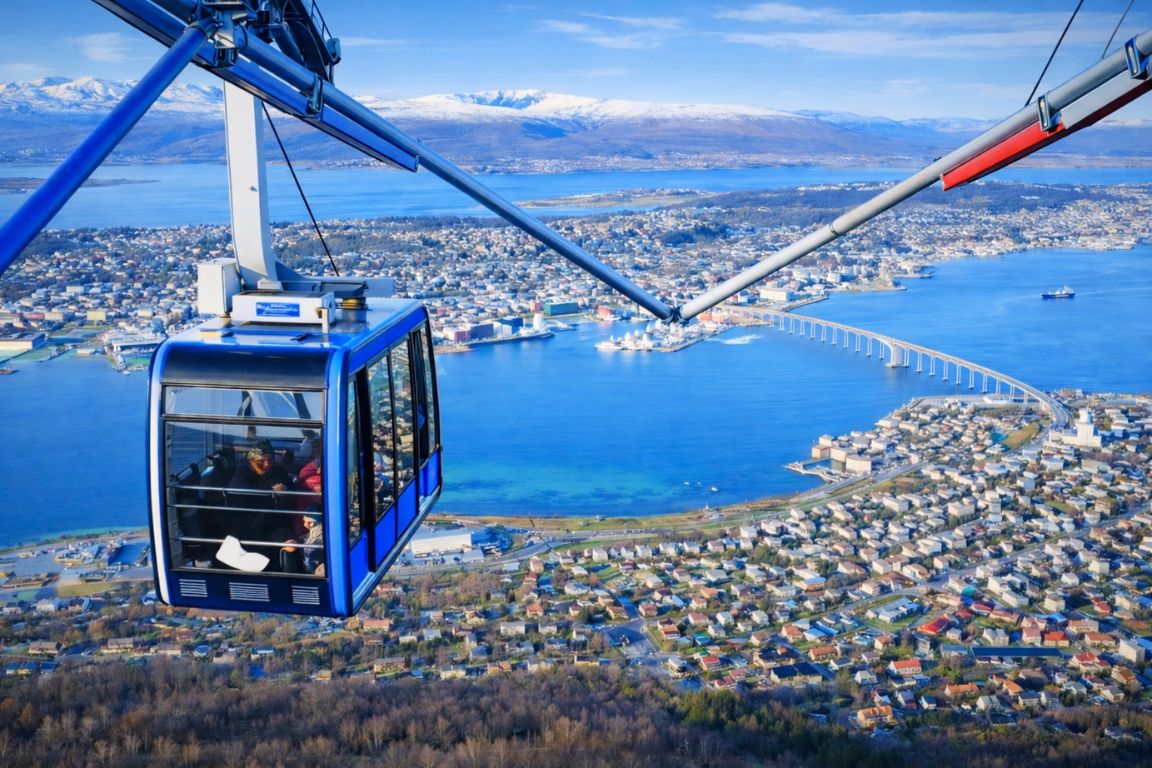
City center Tromsø island spans just 1-2km end-to-end with flat terrain enabling easy walking between harbor, downtown shops, restaurants, and tour operator offices within 10-20 minutes.
Winter cold (-10°C to -20°C/-5°F to -15°F) limits comfortable outdoor walking to 20-30 minutes maximum for most tourists requiring indoor warm-up breaks at cafes or shops.
Pedestrian infrastructure includes cleared sidewalks (though icy), crosswalks with signals, and compact layout making walking the default transportation method for city center tourism.
Stair-free routes exist for strollers or limited mobility though some areas like climbing to Arctic Cathedral (75m elevation gain, 800m distance) involve moderate incline challenges.
Table: Walking Times Between Major Attractions
| From | To | Distance | Time Normal | Time Winter (Slow) | Terrain | Notes |
|---|---|---|---|---|---|---|
| Downtown Center (Storgata) | Prostneset Bus Hub | 400m | 5 min | 7 min | Flat, cleared | Main downtown area |
| Downtown | Harbor/Waterfront | 300m | 3 min | 5 min | Flat | Easy stroll |
| Downtown | Arctic Cathedral | 2km | 25 min | 35 min | Bridge, slight uphill | Cold bridge crossing |
| Downtown | Cable Car Base (Fjellheisen) | 2km | 25 min | 35 min | Uphill climb | Steep final 200m |
| Prostneset | Airport | 6km | 90 min | Impossible | Road, no sidewalks | Don’t walk – use bus/taxi |
| Downtown | Polaria Aquarium | 1.5km | 18 min | 25 min | Flat, coastal | Pleasant walk |
| Harbor | Tromsø Museum | 3km | 35 min | 50 min | Flat, bridge | Long but doable |
The compact city center advantage concentrates hotels, restaurants, tour offices, shops, and harbor within 500m radius making multiple daily walking trips practical.
Bridge crossing to mainland (Tromsdalen) requires 800m walk across Tromsø Bridge facing bitter wind exposure, with most tourists opting for bus 20/24 (€4-5) versus walking.
Winter walking gear includes proper boots with ice cleats (€20-40) preventing slips, warm layers allowing 20-30 minute outdoor time, and reflective clothing for dark polar night months.
Sidewalk ice remains persistent challenge despite municipal clearing efforts, with black ice (invisible) creating slip hazards requiring careful slow walking preventing falls.
The 24-hour polar night (November-January) requires headlamps or phone flashlights navigating poorly lit streets, though downtown areas maintain adequate street lighting for safety.
Summer walking (May-September) extends comfortable outdoor time to hours with 10-15°C (50-59°F) pleasant temperatures enabling extended exploration versus winter’s 20-30 minute limits.
Downtown pedestrian shopping street Storgata provides car-free walking browsing shops, cafes, restaurants in protected environment reducing vehicle hazards.
Coastal harbor promenade offers scenic flat walking along waterfront connecting downtown to Polaria aquarium (1.5km), with wind exposure requiring windproof layers year-round.
The walking versus transit decision usually splits: downtown tourism walking only, destinations beyond 1km (Arctic Cathedral, museums, cable car) using buses or taxis.
Most tourists adopt hybrid strategy walking within 500m radius of accommodations, taking buses for 1-3km destinations, using taxis for 4km+ trips or luggage-heavy moments.
What About Cycling in Tromsø?
Summer cycling (May-September) provides eco-friendly transport with rental bikes available €15-25 daily from shops near downtown, handling 10-15°C temperatures comfortably.
Winter cycling becomes impossible November-April due to ice-covered roads, limited daylight (0-6 hours), and -15°C cold making year-round cycling impractical in Tromsø.
Bike infrastructure includes some dedicated lanes downtown and shared roads elsewhere, though limited compared to cycling cities like Copenhagen or Amsterdam.
Hilly terrain on mainland areas (Tromsdalen, cable car approach) creates moderate challenges requiring fitness, with city center island remaining relatively flat and manageable.
Compare seasons directly in our Tromsø winter vs summer guide covering temperatures, unique activities, and budget differences.
Table: Cycling Feasibility Assessment
| Factor | Summer (May-Sep) | Winter (Nov-Mar) | Assessment |
|---|---|---|---|
| Weather | 10-15°C, manageable | -10°C to -20°C, brutal | Summer only |
| Road Conditions | Clear, dry/wet | Ice-covered, dangerous | Summer only |
| Daylight Hours | 18-24 hours | 0-6 hours | Summer massive advantage |
| Bike Availability | Rentals operate | Closed down | Summer only |
| Safety | Moderate (traffic, hills) | Extremely dangerous | Summer acceptable |
| Tourist Practicality | Good for active travelers | Impossible | Summer viable option |
Bike rental shops including Tromsø Outdoor and Arctic Bikes rent city bikes (€15-20 daily) or mountain bikes (€25-35 daily) with helmets, locks included.
The cycling distance limitation shows 5-10km being practical daily riding for tourists, covering city center, Tromsdalen, and near suburbs without excessive exertion.
E-bikes increasingly available (€30-45 daily rental) flatten terrain challenges making hills manageable, particularly mainland elevation gains reaching Arctic Cathedral or cable car areas.
Bike theft remains low in high-trust Norwegian culture though locking bikes properly remains advisable, with rental companies providing robust U-locks or cable locks.
The luggage challenge makes cycling impractical for airport transfers, major shopping trips, or winter gear transport, limiting bikes to recreation and local exploration.
Cycling popularity among tourists remains modest with most visitors choosing buses, walking, or rental cars over bikes, though active travelers appreciate the fitness and independence.
Multi-day bike touring to Senja (100km) or along coastal routes attracts dedicated cyclists May-September, requiring fitness and proper equipment beyond casual tourist cycling.
Road sharing with cars creates moderate danger with Norwegian drivers generally respectful of cyclists though narrow roads and blind curves requiring vigilance.
How Do Ferries Work?
Tromsø-Kvaløya ferry operates free service connecting Tromsø island to Kvaløya island (5 minutes) running every 20-30 minutes 24/7 without advance booking required.
The ferry accommodates vehicles (cars, RVs, buses) and pedestrians, though pedestrians rarely use it since Kvaløya lacks walkable destinations requiring onward vehicle transport.
Brevikeidet ferry terminal serves as departure point from Tromsø side, with Brensholmen arrival on Kvaløya providing access to island’s Northern Lights viewing locations.
Additional regional ferries connect Tromsø to outer islands (Sommarøy, Hillesøy, Vengsøy) on scheduled routes several times daily, more for locals than tourists.
Table: Ferry Services from Tromsø
| Route | Frequency | Duration | Cost | Main Use | Tourist Relevance |
|---|---|---|---|---|---|
| Tromsø-Kvaløya (Brensholmen) | Every 20-30 min | 5 min | Free | Northern Lights dark locations | High (if driving) |
| Botnhamn-Brensholmen | 6-8 times daily | 25 min | €15-20 vehicle | Regional island access | Low |
| Tromsø-Karlsøy | 3-4 times daily | 90 min | €30-40 vehicle | Remote islands | Very Low |
| Express Boat to Skjervøy | 1-2 times daily | 3 hours | €50-80 | Coastal communities | Very Low |
The Kvaløya ferry specifically matters for photographers and Northern Lights chasers accessing darker western locations away from Tromsø light pollution.
Free ferry service eliminates cost considerations with drive-on drive-off simplicity, though 20-30 minute frequencies requiring timing versus arriving and waiting.
Peak times (7-9am, 4-6pm) see longer waits with commuter traffic filling boats, requiring patience or avoiding rush hours when doing Northern Lights location scouting.
The ferry priority system loads commercial vehicles and buses first, then passenger cars, with pedestrians last (though almost never pedestrians since Kvaløya island requires onward driving).
Winter weather occasionally disrupts ferry service during extreme conditions (storms, high winds), though rarely for extended periods with backup routes via bridges existing.
Tourist practical use shows DIY Northern Lights chasers using ferry 6-10pm outbound seeking dark locations, returning midnight-2am after viewing sessions.
What Transportation Do Tours Provide?
Northern Lights tours (€90-150) include full transport via heated buses or minivans with hotel pickup/dropoff eliminating independent navigation needs for 6-8 hour excursions.
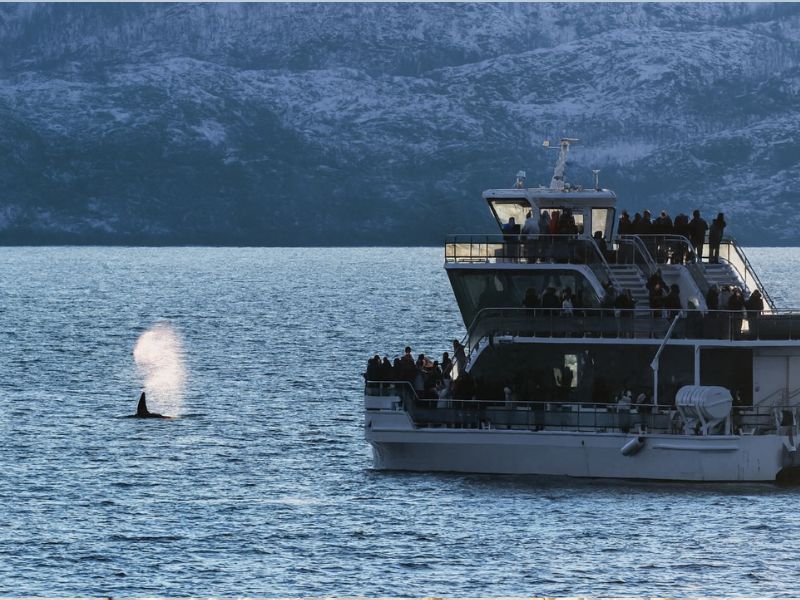
Dog sledding, whale watching, and most activity tours provide transport to activity locations from city hotels, with pickup times scheduled 30-60 minutes before activity starts.
Tour transport quality varies from small minivans (8-12 passengers) providing intimate experiences to large coaches (30-40 passengers) with less personal attention and flexibility.
The convenience factor shows tour transport covering city center hotel pickups, eliminating parking concerns, and including experienced drivers navigating winter conditions safely.
Table: Tour Transportation Included vs Independent Options
| Tour Type | Transport Included? | Independent Transport Need | Cost Savings DIY | Why Book Tour Transport |
|---|---|---|---|---|
| Northern Lights Tours | Yes, heated bus, hotel pickup | Rental car €50-100 | €50-100 if group 4+ | Guide expertise, no driving stress |
| Dog Sledding | Yes, minivan pickup | Taxi €40-60 roundtrip | €20-40 | Activity location remote |
| Whale Watching | Yes, bus to harbor | Walk to harbor (1km) | €0 (free walk) | Convenience only |
| Snowmobile Safari | Yes, transport to base | Rental car or taxi €30-50 | €15-30 | Remote mountain location |
| Sami Cultural Experience | Yes, bus to reindeer camp | Rental car €50-100 | €30-80 if group | Rural location 30km out |
| Cable Car | No (walk or bus) | Walk 2km or bus €4-5 | Save tour markup | Easy self-access |
| City Tours | Walking or bus provided | Walk free | Tour adds no value | Guidance value only |
The transport inclusion shows most outdoor activity tours (dog sledding, snowmobiling, reindeer experiences) located 10-30km from city center requiring organized transport.
Hotel pickup convenience eliminates navigation challenges with tour buses collecting passengers from major hotels 6-7pm (Northern Lights) or 8-9am (day activities).
Winter driving advantage of tour transport shows experienced local drivers handling black ice, poor visibility, and unfamiliar routes tourists would find stressful or dangerous.
The heated bus comfort during Northern Lights tours provides warm refuge between viewing periods, with onboard restrooms (some tours) and hot drinks creating comfortable 6-8 hour experiences.
Tour transport limitations include fixed schedules preventing early departure if satisfied with aurora viewing, or extended stays at particularly good locations based on passenger consensus.
Pickup/dropoff logistics require being at hotel lobby at scheduled time (6:45pm typical for 7pm departure) with tours leaving promptly, forcing punctuality from all participants.
Some budget tours omit hotel pickup requiring meeting at central location (Prostneset, tour office), saving operators costs reflected in slightly lower €80-120 versus €90-150 pricing.
If your priority is packaging the rural activity into one booking, the reindeer sledding and Sami cultural journey is priced from $202 per person. Check the live calendar, then confirm the meeting or pickup details before changing your transport plan.
How Do Different Traveler Types Navigate Tromsø?
Solo budget travelers use public buses (€12-15 day pass) and walking exclusively, avoiding taxis and rental cars saving €40-80 daily versus convenience-prioritizing visitors.
Families with kids favor taxis (€15-30 per ride) splitting among 4 people (€4-8 each) versus wrestling strollers, winter gear, and tired children onto buses.
Luxury travelers use taxis exclusively (€60-120 daily) prioritizing door-to-door convenience over cost, never touching public buses or walking beyond hotel-to-restaurant distances.
DIY Northern Lights photographers require rental cars (€50-100 daily) accessing dark locations with equipment, splitting costs among multiple photographers reducing per-person expense.
The best photo spots for Northern Lights require escaping city light pollution—our location guide covers dark sky sites from 5-60km away with specific directions and photography tips.
Table: Transportation Strategy by Traveler Type
| Traveler Type | Primary Method | Secondary Method | Daily Transport Cost | Rationale |
|---|---|---|---|---|
| Solo Budget | Buses, walking | Occasional taxi emergencies | €12-20 | Minimize spending |
| Solo Mid-Range | Buses, walking, some taxis | Rental car specific days | €20-40 | Balance cost and convenience |
| Couples Budget | Buses, walking | Shared taxis occasionally | €20-35 | Affordable together |
| Couples Comfort | Frequent taxis | Rental car if DIY tours | €40-80 | Convenience worth it |
| Families with Kids | Taxis for groups | Buses when manageable | €40-80 | Kid logistics difficult |
| Groups 4+ Friends | Rental car shared | Taxis when drinking | €12-35 per person | Economical split |
| Luxury Travelers | Taxis exclusively | Private drivers | €80-150 | Don’t care about cost |
| Photographers | Rental car | Minimal other needs | €12-25 split | Equipment + flexibility |
Solo budget travelers walking downtown, taking buses to mainland (€4-5), and avoiding taxis except airport departure (€30) spend €15-25 daily total transport.
Family logistics with strollers, child gear, and tired kids make taxis worth €40-80 daily avoiding bus wrestling, with 4-person splits (€10-20 each) feeling reasonable.
Photographer groups renting cars for 5 days (€250-500 total ÷ 3-4 people = €62-125 each) access optimal Northern Lights locations impossible via public transport.
Luxury travelers never checking bus schedules or walking beyond 200m use taxis exclusively spending €80-150 daily prioritizing seamless convenience.
The couple decision point shows €50-100 rental car splitting to €25-50 each working only if doing extensive DIY activities, versus €20-35 daily public transport being cheaper for city-based touring.
Groups of 4+ friends find rental cars economically optimal at €12-25 per person daily versus €12-15 bus passes providing less flexibility and coverage.
Senior travelers with limited mobility use taxis heavily (€60-100 daily) accepting costs as necessary for comfortable navigation without physical strain of walking or bus boarding.
Digital nomads staying 2+ weeks often rent cars for flexibility despite solo cost burden, amortizing €700-1,400 total rental over extended stays reducing per-day impact.
FAQs
Check your travel date before arranging other plans. The 5–8-hour aurora hunt includes a warm meal, thermal suit and web-size photos. Check Your Tromsø Aurora Date
Does Tromsø have trams or trains?
No, Tromsø has NO trams, trains, metro, or rail transport – only public buses, taxis, rental cars, walking, and limited ferries operate in the city and region.
Discover what fits this part of your trip. The 5–8-hour aurora hunt includes a warm meal, thermal suit and web-size photos. Explore Aurora Hunt With Meal And Photos
How much does public transport cost in Tromsø?
Single bus rides cost €4-5, unlimited day passes €12-15, with most tourists using combination of buses (€10-20 daily) and walking for city navigation.
What’s the best way to get from Tromsø airport to city center?
Bus lines 40/42 cost €5 (15-20 minutes, every 15-30 min) or taxis €25-35 (10 minutes), with buses being economical solo while taxis better for groups 2+ or heavy luggage.
Do you need a car in Tromsø?
No for city tourism – walking and buses cover most needs. Yes for DIY Northern Lights chasing or day trips to Senja/Lyngen, making sense only for groups 4+ splitting costs.
Are taxis expensive in Tromsø?
Yes, €15-30 for typical rides, €25-35 airport transfer, with no Uber/Lyft alternatives. Worth it for groups splitting costs or convenience, but budget travelers use buses.
Can you walk everywhere in Tromsø?
City center yes (1-2km radius), but mainland destinations (Arctic Cathedral, cable car, museum) are 2-3km requiring buses or taxis, especially in winter cold limiting outdoor time.
How to Plan Tromsø Transportation
Download offline Google Maps covering Tromsø region before arrival ensuring navigation without cell service in remote Northern Lights viewing locations.
Budget €15-25 daily for transportation combining walking city center, occasional buses (€4-5 per ride), with contingency for taxi emergencies (€15-30).
Choose accommodation downtown within 1-2km city center enabling walking to restaurants, shops, tour offices versus mainland locations requiring constant bus usage.
Plan airport transfer via bus 40/42 (€5) arrival for budget solo, taxi (€25-35) for groups 2+ or heavy luggage, splitting costs making taxis competitive.
Rent car only if group 4+ people splitting costs (€12-25 each daily) or specifically doing DIY Northern Lights/day trips, otherwise buses cheaper and easier.
Accept winter walking limitations with -15°C cold restricting outdoor time to 20-30 minutes before needing indoor warm-up breaks at cafes or shops.
Save Tromsø Taxi number (07000) in phone for emergency taxi needs, late-night returns from tours, or weather preventing bus usage.
Purchase bus tickets onboard from drivers using cash or card without advance planning, simplifying process versus complicated app downloads for short visits.
For a day where the rural transfer is already arranged, see the Authentic Reindeer Sledding & Sami Cultural Tromso Journey.
Glossary
- Prostneset: Main downtown bus hub where most routes intersect, serving as central transfer point and reference location.
- Troms Fylkestrafikk: Public bus company operating 28 routes throughout Tromsø region with €4-5 single fares.
- Day Pass: Unlimited bus travel for 24 hours costing €12-15, economical only with 3+ rides in single day.
- Black Ice: Invisible ice on roads creating zero-traction hazard, primary winter driving danger requiring extreme caution and experience.
- Kvaløya Ferry: Free 5-minute ferry connecting Tromsø island to Kvaløya island, running every 20-30 minutes 24/7.
Check your travel date before arranging other plans. The 5–8-hour aurora hunt includes a warm meal, thermal suit and web-size photos. Check Your Tromsø Aurora Date
Key Takeaways
- Tromsø has NO trams or trains – only public buses, taxis, rental cars, walking, and ferries operate in this Arctic city. Public buses run 28 routes charging €4-5 single rides or €12-15 unlimited day passes with frequent 7am-11pm service weekdays.
- Airport transfer: bus 40/42 costs €5 (15 minutes) or taxi €25-35 (10 minutes), with groups 2+ finding taxis competitive.
- Walking handles compact 1-2km city center covering harbor, shops, restaurants though winter -15°C cold limits outdoor time to 20-30 minutes.
- Taxis expensive €15-30 typical rides with no Uber/Lyft availability, using traditional Tromsø Taxi (07000) for licensed regulated service.
- Rental cars €50-100 daily make sense only for groups 4+ splitting costs (€12-25 each) or DIY Northern Lights chasing.
- Bus tickets purchased onboard from drivers using cash/card without advance booking or apps required. Downtown location essential enabling walking reducing transport needs versus mainland properties requiring constant buses.
- Winter driving extremely challenging with black ice, limited visibility, -15°C cold requiring experience and proper preparation.
- Kvaløya ferry runs free every 20-30 minutes (5 minutes) accessing darker Northern Lights locations. Most tourists use combination walking downtown plus buses for outer areas spending €15-25 daily transport.
- Tour transport included in Northern Lights (€90-150), dog sledding (€150-250), whale watching (€120-180) with hotel pickup eliminating independent navigation.
- Budget travelers use buses exclusively saving €40-80 daily versus taxi-dependent visitors. Day pass value requires 3+ rides daily to justify €12-15 cost versus €4-5 singles.
- Download offline Google Maps essential for navigation since cell service disappears in remote aurora locations.
- Night buses essentially nonexistent with last departures 10-11pm requiring taxis for midnight tour returns.
- Cycling summer only (May-September) with winter ice making biking impossible November-April. Plan complete Tromsø transportation at /.
Written by Erik Johansen, Tromsø tour guide for the past 15 years, specializing in Northern Lights expeditions and practical Arctic travel logistics.
Check Your Tour Date
Planning an aurora evening? Check your Tromsø date before arranging dinner or other plans; this guided hunt includes a warm meal, thermal suit and web-size souvenir photos.
Adjust activity, timing or group needs
General recommendations: confirm dates and group requirements
Base the itinerary around walking where practical and current public-transport schedules, using a taxi only when luggage, weather, mobility or timing makes it useful. For independent day trips, check road conditions, parking, ferry routes and the return journey before departure.
Compare Your Group’s Real Costs
Use current quotes in the same currency. Include transport, fuel, parking and equipment in your DIY total. Include all participants and extras in the tour total.
Booking takes place with the provider. Prices, exact departures and available options are shown there. We may earn a commission when you book through these links.