Tromsø for Families: Can Kids Enjoy Arctic Adventures?
Tromsø family travel: Northern Lights (all ages), dog sledding 5+ (€150-250), reindeer feeding. €250-650/day family budget. 5-6 days ideal. Complete 2026 guide.
Last updated: August 31, 2026
TL;DR
Yes, kids can absolutely enjoy Tromsø Arctic adventures with age-appropriate activities including Northern Lights viewing (all ages), dog sledding (ages 5+, €150-250), Polaria aquarium (all ages, €18 adults, €8 kids), cable car (all ages, €35 adults, €18 kids), and reindeer feeding (ages 3+, €100-180). Family-friendly accommodations include Scandic Ishavshotel (€180-280, connecting rooms, breakfast buffet), Clarion Collection With (€160-240, family suites), Smart Hotel (€140-200, budget option). Daily family costs: budget €250-400 (4-person family), mid-range €400-650, luxury €800-1,200+ including accommodation, meals, activities. Best ages for Tromsø are 5-12 years old when kids appreciate Northern Lights, handle cold weather, and enjoy activities without constant carrying. Winter challenges include extreme cold requiring proper gear (kids’ -30°C boots €80-150, jackets €100-200), early bedtimes conflicting with 6pm-midnight Northern Lights tours, and jet lag. Family itinerary: 5-6 days providing flexible pacing, pool time, backup weather days, with realistic 1-2 activities daily maximum. Kid-friendly restaurants include Asian restaurants (€12-20 kids meals), bakeries (€8-15), and hotel buffets. Educational benefits include aurora science, Arctic ecology, Sami culture, Arctic animals creating memorable learning experiences. Summer (June-July) easier for families with midnight sun, comfortable temperatures 10-15°C, hiking opportunities versus winter’s extreme cold. Skip activities: snowmobile safaris (too cold for young kids), long boat tours over 4 hours, late-night activities after 10pm.
4 hours for self-drive husky sledding. Book Self-Drive Husky Sledding
Discover what fits this part of your trip. The four-hour reindeer visit includes transfers, Sámi storytelling and lunch. Explore Reindeer Sledding And Sámi Culture
What Ages Work Best for Tromsø Family Travel?
Children ages 5-12 years old represent the ideal age range appreciating Northern Lights magic, handling cold weather with proper gear, and participating in most activities without constant parental carrying.
Toddlers ages 2-4 can visit Tromsø successfully though requiring more parental energy, stroller navigation through snow, frequent indoor warmth breaks, and modified activity schedules.
Teenagers 13-18 enjoy Tromsø comprehensively participating in adult activities, appreciating cultural and scientific aspects, and handling demanding physical adventures like snowmobiling or skiing.
Infants under 2 years create significant challenges with extreme cold exposure concerns, feeding logistics, limited activity participation, and frequent schedule disruptions through naps and meals.
Table: Age Appropriateness for Tromsø Family Travel
| Age Group | Suitability | What Works | Challenges | Best Season | Realistic Expectations |
|---|---|---|---|---|---|
| 0-2 Years (Infants) | Difficult | Indoor activities, stroller tours | Extreme cold exposure, feeding, naps, constant care | Summer only | Very limited activities |
| 2-4 Years (Toddlers) | Moderate | Short activities, aquarium, cable car, reindeer | Cold tolerance low, carrying needed, short attention | Summer better | Modified schedules essential |
| 5-8 Years (Young Kids) | Good | Most activities, Northern Lights, dog sledding | Bedtime vs late tours, cold complaints | Both seasons work | Need patience, flexibility |
| 9-12 Years (Pre-teens) | Excellent | All family activities, appreciate experiences | Growing independence, moody sometimes | Both seasons ideal | Best age range overall |
| 13-18 Years (Teens) | Excellent | Adult activities, adventure sports, cultural | May complain about family time, tech withdrawal | Both seasons ideal | Adult-level participation |
The 5-8 year old sweet spot combines ability to remember trip creating lasting memories, participation in most activities including dog sledding and Northern Lights tours, and genuine excitement about Arctic adventures.
Toddlers 2-4 face cold tolerance limitations needing indoor breaks every 1-2 hours, parental carrying when tired on walks, and modified Northern Lights tour participation potentially leaving before midnight.
Teenagers handle Tromsø comprehensively doing snowmobile safaris, advanced skiing, and long whale watching trips, though potentially showing typical teen reluctance about family bonding time.
Infant challenges (0-2 years) include dangerous cold exposure concerns with doctors recommending minimal outdoor time below -10°C, feeding logistics finding private warm spaces, and sleep schedule disruptions.
The memory threshold matters with kids under 4-5 years potentially retaining minimal trip memories versus older children creating lifelong Northern Lights recollections.
School-age children (6-12) specifically benefit educationally from Arctic ecosystem learning, aurora science explanations, and cultural exposure creating curriculum connections unavailable at home.
Summer travel (June-July) dramatically expands age ranges with comfortable 10-15°C temperatures enabling toddlers and infants to participate safely versus winter’s -10°C to -20°C limiting youngest travelers.
Winter family travel works best with children 5+ years old who can verbally communicate cold discomfort, wear proper gear without constant adjustment, and appreciate Northern Lights spectacle justifying late evenings.
Multi-age family groups require compromising activities for youngest members, with 2-year-old limiting family to toddler-appropriate options versus what 10-year-old sibling could handle.
Families who want a timed animal outing can look at the Authentic Reindeer Sledding & Sami Cultural Journey and check which dates match the trip.
Match the activity to your youngest participant before arranging the family day. The four-hour reindeer visit includes transfers, Sámi storytelling and lunch. Explore Reindeer Sledding And Sámi Culture
What Are the Best Family Activities in Tromsø?
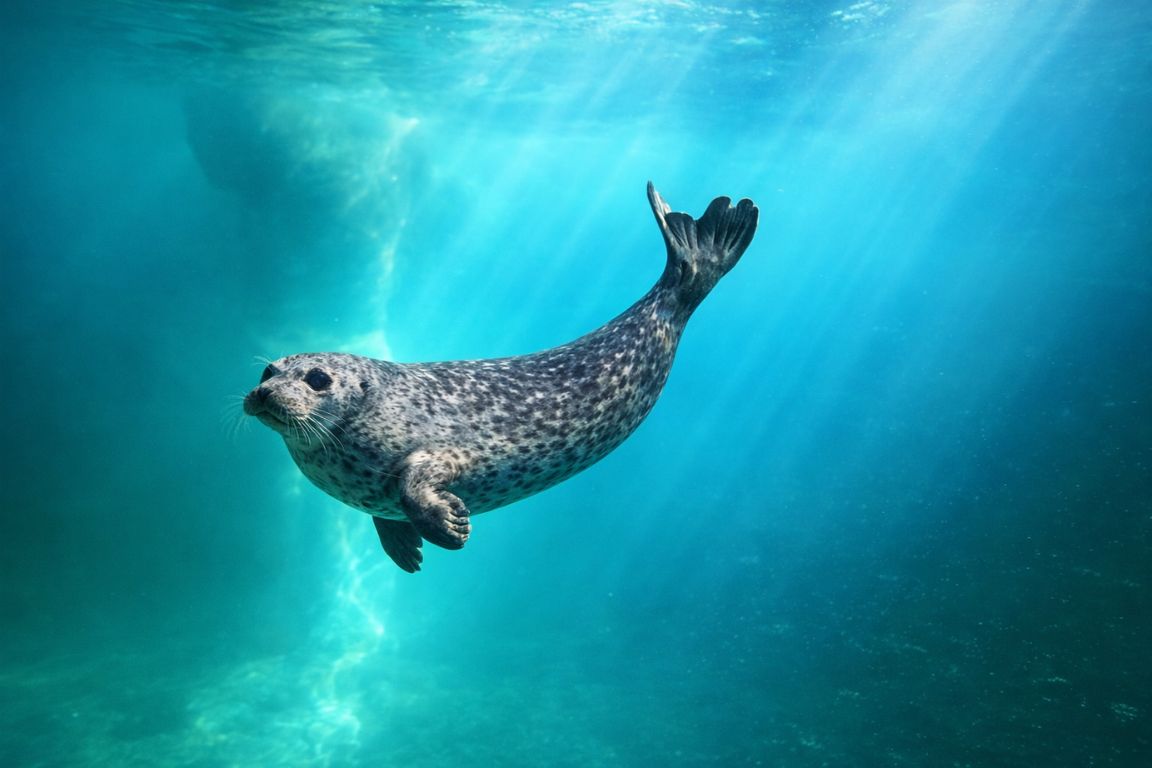
Northern Lights viewing works for all ages with children finding aurora displays magical, though late timing (6pm-midnight tours) conflicts with young kids’ bedtimes requiring afternoon naps or next-day recovery.
Dog sledding accepts children 5+ years old with kids riding in sleds driven by parents or guides, providing hands-on Arctic adventure creating excitement without extreme physical demands.
Polaria Arctic aquarium (€18 adults, €8 kids ages 4-15, under 4 free) offers indoor warmth, bearded seal feeding shows, and Arctic marine life exhibits engaging children 2+ years through interactive displays.
Cable Car to Fjellheisen (€35 adults, €18 kids 4-15, under 4 free) provides easy family-friendly panoramic views without hiking demands, operating year-round with 4-minute rides kids love.
Table: Best Family Activities with Age Ratings
| Activity | Ages | Cost (Family of 4) | Duration | Physical Demand | Why Kids Love It | Parent Stress Level |
|---|---|---|---|---|---|---|
| Northern Lights Tour | All ages (late bedtime) | €360-600 | 6-8 hrs | Low | Magical lights, hot chocolate | Medium (bedtime conflict) |
| Dog Sledding | 5+ years | €600-1000 | 2-4 hrs | Low (kids ride) | Real huskies, snow adventure | Low-Medium |
| Polaria Aquarium | 2+ years | €52 (2 adults, 2 kids) | 1-2 hrs | None | Seals, interactive exhibits | Very Low |
| Cable Car Fjellheisen | All ages | €106 (2 adults, 2 kids) | 2 hrs total | None | Ride up mountain, views | Very Low |
| Reindeer Feeding | 3+ years | €400-720 | 3-4 hrs | Low | Feed real reindeer, Sami culture | Low |
| Arctic Cathedral | 5+ years (appreciation) | €32 (2 adults, 2 kids) | 45 min | None | Cool building, architecture | Very Low |
| Tromsø Museum | 6+ years | €45 (2 adults, 2 kids) | 1-2 hrs | None | Stuffed animals, Northern history | Low |
| Playground + Ice Skating | 3+ years | Free-€20 | 1-3 hrs | Medium | Play with local kids | Very Low |
| Sledding Public Hills | 3+ years | €30-60 (sled purchase) | 1-2 hrs | Medium | Classic winter fun | Low |
| Whale Watching | 8+ years | €480-720 | 6-8 hrs | Low | Orcas, humpback whales | High (seasickness, long) |
| Snowmobile Safari | 12+ years (passenger) | €720-1120 | 2-3 hrs | Medium | Fast adventure | Medium-High (cold, noisy) |
| Summer Hiking Easy Trails | 6+ years | Free | 2-4 hrs | Medium | Nature, exploration | Medium |
Northern Lights tours accommodate families with tour operators providing child seats, blankets, hot chocolate, and allowing kids to sleep in heated buses between aurora viewing periods.
The bedtime challenge for young kids (typical 7-8pm) conflicts with Northern Lights tour timing (6pm departure, midnight return) requiring strategic afternoon naps or accepting exhausted children.
Dog sledding pairs kids with parents in sleds or provides small sleds for older children (10+), creating thrilling experience without kids needing to control teams independently.
Polaria’s bearded seal feeding shows (scheduled 3x daily) captivate children with trainer interactions, seal behaviors, and opportunity to see Arctic animals up close.
Cable Car provides easy mountain access without hiking exertion, with 4-minute rides delighting young children and summit observation deck offering 360-degree views inspiring all ages.
Reindeer feeding experiences combine animal interaction (kids love feeding reindeer by hand), Sami cultural learning about indigenous Arctic people, and lavvu (traditional tent) visits.
Whale watching suits older children (8+ years) who can handle 6-8 hour boat trips, potential seasickness, and extended outdoor exposure without constant entertainment needs.
Snowmobile safaris accept children as passengers (minimums vary, often 12+ years) though extreme cold, engine noise, and speed create challenging experience for younger kids.
Skip the snowmobile if your kids are under 12. The reindeer sledding trip covers the same open-air winter Arctic feel with no real age floor, plus the Sami camp visit and reindeer feeding this guide already lists as working from about age 3.
Public sledding hills where locals take kids offer free authentic winter fun, requiring sled purchase (€30-60) but providing hours of entertainment and local family interactions.
Summer hiking on easy trails like lower Sherpatrappa or Prestvannet lake loops work for kids 6+ years with moderate fitness, creating nature connection impossible during winter snow coverage.
Where Should Families Stay in Tromsø?
Hotels with family rooms, connecting rooms, or suites provide essential space for 4+ person families, with breakfast buffets saving morning meal expenses and reducing dining logistics.
City center location enables walking to restaurants, attractions, and tour pickup points versus remote properties requiring constant car/taxi usage with kids’ gear and strollers.
Properties with swimming pools offer crucial evening entertainment and physical activity outlets during winter’s early darkness when outdoor play becomes impossible.
Kitchenette facilities in apartments or extended-stay hotels enable meal preparation reducing expensive restaurant costs and accommodating picky eaters’ food preferences.
Table: Best Family Accommodations in Tromsø
| Hotel | Cost (Family Room) | Pros for Families | Cons | Pool? | Kitchen? | Best For |
|---|---|---|---|---|---|---|
| Scandic Ishavshotel | €180-280 | Connecting rooms, harbor views, breakfast buffet, central | Expensive | No | No | Mid-range families wanting comfort |
| Clarion Collection With | €160-240 | Family suites, free evening meal, central, cozy | Evening meal limited choices | No | No | Families wanting value |
| Radisson Blu Tromsø | €200-320 | Central, quality, spacious rooms, good breakfast | Very expensive, no pool | No | No | Luxury families |
| Smart Hotel Tromsø | €140-200 | Budget-friendly, compact family rooms, breakfast | Small rooms, basic | No | No | Budget families |
| Tromsø Camping Lodge | €120-180 cabins | Cabins with kitchens, budget, parking | Outside town, need car | No | Yes | Budget families with car |
| Airbnb Apartments | €100-200 | Full kitchens, space, washer/dryer | No daily cleaning, isolated | Sometimes | Yes | Longer stays, self-sufficient |
| Thon Hotel Tromsø | €160-240 | Central, standard quality, reliable | Generic chain feel | No | No | Families wanting reliable comfort |
Scandic Ishavshotel offers connecting rooms creating two-room suite for families, harbor views kids love watching boats, and breakfast buffets with kid-friendly options (cereals, pastries, yogurt).
Clarion Collection With provides family suites sleeping 4-5, complimentary evening meal (soup, bread, waffles) reducing dinner costs, and central location walking to everything.
The pool absence at Tromsø hotels surprises many families expecting swimming as evening activity, with nearest pools being public facilities (€8-12 per person) requiring bus rides.
Kitchenette apartments through Airbnb enable cooking breakfast and lunch (€25-40 daily groceries) versus €50-80 restaurant family meals, saving €100-200 over 5-day stays.
Space considerations matter with standard hotel rooms (20-25 sqm) feeling cramped for four people with suitcases, winter gear, and strollers versus apartments (40-60 sqm) providing breathing room.
City center location costs €20-40 more nightly than mainland areas but eliminates taxi expenses with kids’ gear (€15-30 per ride, €60-120 daily) making central actually more economical.
Breakfast buffets at hotels prove essential for families with picky eaters who can select familiar foods (toast, eggs, cereal) versus ordering individual restaurant breakfasts at €10-15 per child.
Connecting room availability requires booking 3-6 months ahead during peak winter season (December-February) when family accommodations sell out first before single rooms.
The washing machine access through apartments enables laundering kids’ clothes mid-trip versus packing 6-7 days of outfits for messy children generating constant laundry.
Budget families choosing Tromsø Camping cabins with kitchens (€120-180) trade central location requiring rental car (€50-100 daily) for accommodation savings, making sense for groups staying 5+ days.
Before choosing accommodation, check where this outing meets and finishes. The four-hour reindeer visit includes transfers, Sámi storytelling and lunch. Explore Reindeer Sledding And Sámi Culture
What Does a Family Day in Tromsø Look Like?
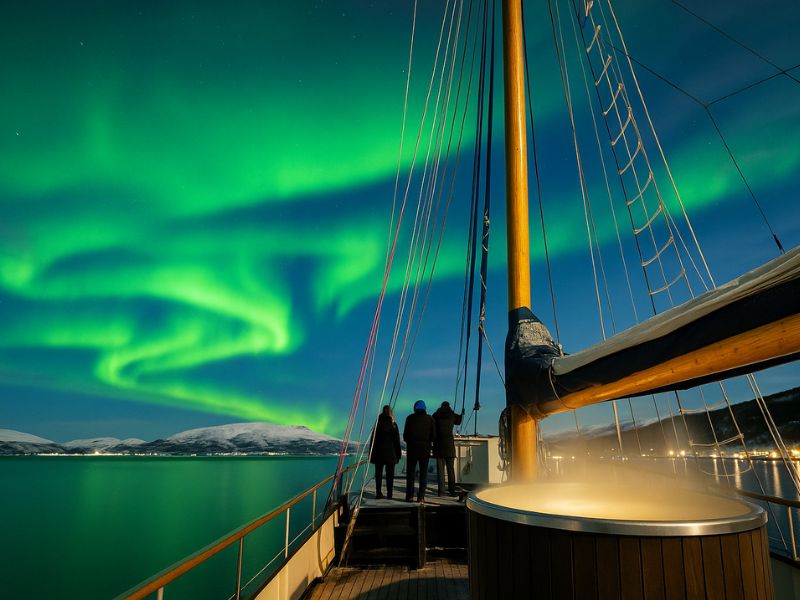
Morning starts 8-9am with hotel breakfast buffet or apartment-cooked meal (30-60 minutes), followed by one major morning activity (dog sledding, museum, aquarium) ending by 12-1pm.
Midday includes lunch (12:30-2pm) and crucial rest period at hotel (2-4pm) allowing naps for young kids, pool time, or quiet activities preventing afternoon meltdowns from overstimulation.
Afternoon features lighter activity (cable car, Arctic Cathedral, short city walk) from 4-6pm before early dinner (6-7:30pm) fitting kids’ schedules and energy levels.
Evening presents Northern Lights tour challenge with 6pm departures conflicting with bedtimes, requiring either afternoon naps preparing for late night or skipping tours for kids under 6.
Start planning your visit to Tromsø with our complete guide covering when to go, how long to stay, what to book in advance, and realistic budget expectations for 2026-2027.
Table: Sample Family Daily Schedule by Season
| Time | Winter (5-Year-Old + 10-Year-Old) | Summer (Same Ages) | Notes | Flexibility |
|---|---|---|---|---|
| 7-8am | Wake, breakfast at hotel buffet | Wake, breakfast | Kids need substantial meals | Some flexibility |
| 8:30-12pm | Dog sledding morning tour | Easy hiking trail 2-3 hours | Major activity when energy high | Fixed if booked |
| 12-1:30pm | Lunch at family restaurant | Picnic lunch on trail or back in town | Substantial meal needed | Flexible timing |
| 1:30-4pm | Hotel rest/nap for young one, pool for older | Hotel rest or continued hiking/exploring | ESSENTIAL recovery time | Non-negotiable |
| 4-6pm | Cable Car or Arctic Cathedral | Playground or ice cream downtown | Light activity | Very flexible |
| 6-7:30pm | Early dinner family restaurant | Dinner at restaurant or self-cook | Before typical 8pm bedtime | Some flexibility |
| 7:30-9pm | Bedtime routine for young, stories | Later bedtime (9-10pm light) | Kids need sleep | Not flexible |
| 9pm-12am | Northern Lights tour (tough for 5yo) | Late evening playground/walking | Winter conflict | Can skip if needed |
The recovery rest period 2-4pm proves absolutely essential for families preventing afternoon/evening meltdowns, with young kids napping while older siblings use hotel pool or read quietly.
One major activity maximum daily (dog sledding OR whale watching OR hiking, not multiple) prevents exhaustion, with families attempting 2-3 major activities daily consistently reporting overtired children.
Flexible timing matters since kids’ moods and energy vary unpredictably, requiring ability to skip planned afternoon activity if morning proved exhausting or extend enjoyable moments.
Winter’s 0-6 hours of daylight actually simplifies scheduling by limiting daytime activity options, with families forced into fewer outings versus summer’s endless daylight tempting overextension.
The Northern Lights tour dilemma for families with young kids creates impossible choice between bedtime routine or once-in-lifetime aurora experience, with most compromising by taking very sleepy kids.
Early dinner timing (6-7:30pm) works better in Norway than home since kids wake at normal times despite polar night, maintaining regular meal schedules even when perpetually dark.
Summer’s midnight sun enables late evening playground sessions (9-11pm) with local kids who follow different summer schedules, providing cultural exchange and convenient entertainment.
Pool time fills crucial gap during winter when outdoor play ends at 4pm with darkness and cold, giving kids physical activity outlet before dinner.
Restaurant lunch timing (12:30-2pm) aligns with Norwegian culture and provides warm indoor break mid-day when kids need to escape -15°C cold for 60-90 minutes.
The realistic schedule accepts 1-2 activities daily maximum with extensive transition time (dressing in winter gear 20 minutes, undressing 15 minutes, frequent bathroom breaks, snack needs).
Choose a departure that fits your dates; natural conditions remain uncertain. The four-hour reindeer visit includes transfers, Sámi storytelling and lunch. Explore Reindeer Sledding And Sámi Culture
How Much Does Family Travel to Tromsø Cost?
Four-person family budgets range €250-400 daily budget style (camping/apartments, self-catering, selective tours), €400-650 mid-range (hotels, mixed dining, 1-2 activities), or €800-1,200+ luxury (premium hotels, restaurants, private tours).
Children’s pricing reduces costs slightly with museum entries (€8 kids vs €15 adults), cable car (€18 vs €35), and under-4 free at most attractions, saving €30-50 daily.
Activity costs dominate family budgets with dog sledding for four (€600-1,000), Northern Lights tour (€360-600), whale watching (€480-720) quickly consuming €1,500-2,500 across 5-day trips.
Accommodation represents second largest expense at €140-280 nightly (€700-1,400 for 5 nights) depending on hotel tier and room type, with family rooms commanding premiums.
For exact price breakdowns of accommodation, meals, activities, and transport, see our comprehensive guide on Tromsø’s costs with budget comparison by spending level.
Table: Complete Family Cost Breakdown (4 People: 2 Adults, 2 Kids Ages 6 and 10)
| Expense Category | Budget Daily | Mid-Range Daily | Luxury Daily | 5-Day Budget | 5-Day Mid-Range | 5-Day Luxury |
|---|---|---|---|---|---|---|
| Accommodation | €120-180 apartment/cabin | €180-280 hotel family room | €280-400 suite/premium | €600-900 | €900-1,400 | €1,400-2,000 |
| Breakfast | €10-20 self-cater | €0 included or €40-60 buffet | €60-80 premium | €50-100 | €0-300 | €300-400 |
| Lunch | €20-35 self/cheap | €40-70 casual restaurant | €80-120 nice restaurant | €100-175 | €200-350 | €400-600 |
| Dinner | €30-50 self-cater/cheap | €60-100 family restaurant | €120-200 upscale | €150-250 | €300-500 | €600-1,000 |
| Snacks/Treats | €10-20 | €20-35 | €40-60 | €50-100 | €100-175 | €200-300 |
| Transport | €15-30 bus/walk | €40-80 bus + some taxi | €100-150 taxis/private | €75-150 | €200-400 | €500-750 |
| Activities | €50-100 selective | €120-250 1-2 daily | €300-500 premium/private | €250-500 | €600-1,250 | €1,500-2,500 |
| Extras | €10-20 | €30-50 | €80-120 | €50-100 | €150-250 | €400-600 |
| DAILY TOTAL | €250-400 | €400-650 | €800-1,200+ | |||
| 5-DAY TOTAL | €1,250-2,000 | €2,000-3,250 | €4,000-6,000 |
The family budget advantage shows self-catering apartments saving €150-250 over 5 days through cooking versus restaurants, with kids eating leftovers and simple pasta meals.
Children’s activity discounts reduce costs 20-40% versus adult pricing at most attractions, with typical €15-18 adult entries becoming €8-10 for kids, saving €30-50 per activity for two children.
The major activity burden shows family Northern Lights (€360-600), dog sledding (€600-1,000), and whale watching (€480-720) totaling €1,440-2,320 consuming half the mid-range 5-day budget.
Transportation with kids’ gear, strollers, and frequent moves favors taxis (€15-30 per ride) over buses requiring carrying equipment up steps, potentially adding €200-400 to 5-day costs.
Budget families cooking all meals (breakfast, packed lunch, simple dinner) spend €60-100 daily on groceries versus €130-230 restaurant equivalents, saving €350-650 over 5 days.
Snacks and treats category essential for kids includes hot chocolate during activities (€4-6 each), ice cream (€5-8), bakery pastries (€4-6), and emergency food for meltdowns.
The realistic 5-day mid-range family budget totals €2,500-3,500 (€2,000-3,250 from table + €500+ unexpected) including all accommodation, meals, activities, and transport.
Season affects costs with winter requiring more indoor activities (aquarium €52, museum €45) versus summer’s free hiking and playground time reducing entertainment expenses.
Multi-child families see activity costs scaling linearly with two kids costing 2x versus three kids 3x, making large families prohibitively expensive unless focusing heavily on free activities.
Navigating Tromsø’s expensive dining scene? Our food & drink guide breaks down costs from budget (€15-30) to fine dining (€50-100) with recommendations for every spending level and cuisine type.
Compare the current quote with your own group budget. The four-hour reindeer visit includes transfers, Sámi storytelling and lunch. Explore Reindeer Sledding And Sámi Culture
What Are the Winter Weather Challenges for Families?
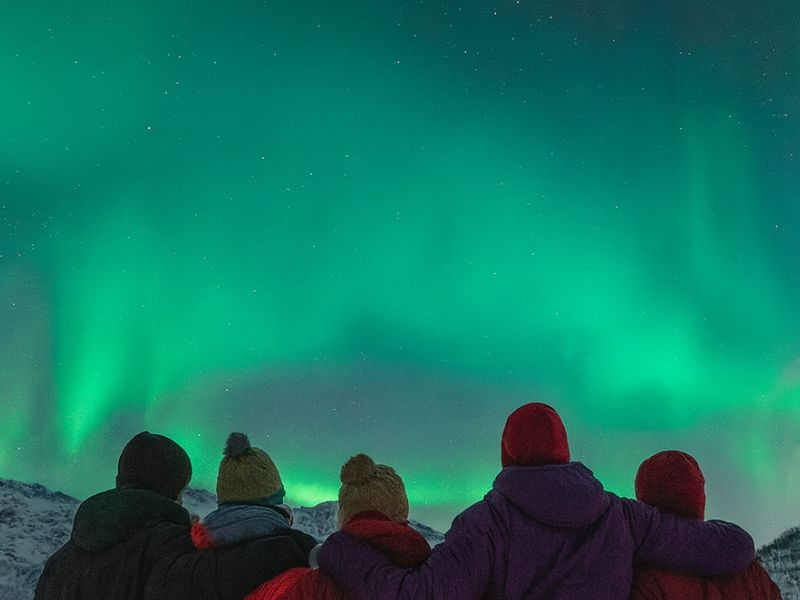
Extreme cold -10°C to -20°C (-5°F to -15°F) requires proper children’s winter gear (boots €80-150, jacket €100-200, full outfit €250-400 per child) creating upfront investment.
Kids’ cold tolerance proves lower than adults needing indoor warmth breaks every 60-90 minutes during outdoor activities versus adults managing 2-3 hours continuously.
Dressing children in proper winter layers (base, mid, outer) takes 15-20 minutes per child per exit, with undressing 10-15 minutes, consuming significant time and parental energy.
Limited daylight (0-6 hours December-January) restricts outdoor play to brief midday windows, forcing families into indoor activities (museums, aquarium, hotel pools) creating entertainment challenges.
Table: Family Winter Weather Management Strategies
| Challenge | Impact Level | Solution | Cost | Effort | Effectiveness |
|---|---|---|---|---|---|
| Kids Get Cold Fast | Very High | Frequent warm-up breaks, proper gear, hand warmers | €250-400 gear + €20 warmers | High | Very High |
| Long Dressing Time | High | Start 30 min before departure, hotel storage | Free | High | Medium (unavoidable) |
| Limited Daylight | Medium-High | Accept indoor time, use morning/midday only | €0-100 indoor activities | Low | High |
| Icy Sidewalks | Medium | Careful walking, stay near adults, ice cleats | €20-40 kids’ cleats | Low | High |
| Wet Gear Everywhere | Medium | Waterproof bags, hotel drying | €20-40 bags | Medium | High |
| Cold Complaints | High | Realistic expectations, hot chocolate bribes, short sessions | €20-40 treats | Medium | Medium |
| Meltdowns from Cold/Tired | High | Rest periods, flexibility, cut activities short | Free (acceptance) | High | High |
| Stroller in Snow | High | Winter stroller tires or baby carrier | €60-150 tires or carrier | Medium | High |
The gear dressing marathon requires 15-20 minutes getting one child ready (base layers, mid layers, jacket, pants, boots, hat, gloves, neck warmer) before every outdoor excursion.
Indoor warm-up breaks every 60-90 minutes mean entering cafes (€20-30 for family hot drinks), museums (€45-52 entries), or returning to hotel, fragmenting outdoor time.
Hand and toe warmers (€2-3 each) prove essential for kids, placing in boots and mittens extending outdoor tolerance 30-60 minutes, requiring 10-20 packs for 5-day trips.
Kids’ winter boots rated -30°C cost €80-150 per child versus adult equivalents at €150-300, with proper boots being non-negotiable for preventing frostbite on toes.
The cold complaint management requires realistic expectations explaining to kids beforehand that Arctic winter is cold, everyone feels it, and we take breaks, versus expecting children to endure silently.
Wet gear and snow tracking indoors creates mess challenges with hotel rooms accumulating damp coats, boots, pants, gloves requiring constant drying, organization, and space management.
Stroller navigation through snow proves nearly impossible requiring winter tires with increased tread (€60-100) or switching to baby carriers (€80-150) for toddlers, adding equipment costs.
Limited daylight (0-6 hours mid-winter) means outdoor play happens only 10am-3pm window, with rest of day requiring indoor entertainment stretching parents’ creativity and patience.
The psychological winter challenge affects kids more than adults with 24-hour darkness feeling unnatural, requiring extra effort maintaining regular sleep schedules and positive attitudes.
Frostbite risks are real for children who can’t always verbalize discomfort early, requiring parents to monitor faces, fingers, toes checking for white spots indicating cold injury.
The choice between visiting Tromsø in winter versus summer depends entirely on your priorities—our seasonal comparison guide examines what each season offers.
Choose a departure that fits your dates; natural conditions remain uncertain. The four-hour reindeer visit includes transfers, Sámi storytelling and lunch. Explore Reindeer Sledding And Sámi Culture
What Educational Benefits Do Kids Get from Tromsø?
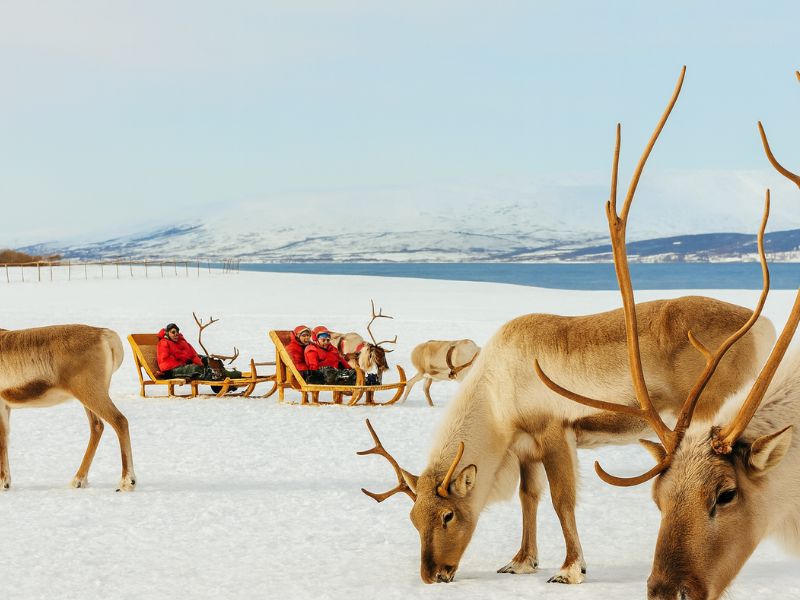
Aurora science education teaches atmospheric physics, solar wind, geomagnetic fields, and Earth’s magnetosphere through witnessing Northern Lights, creating memorable lessons connecting to school curriculum.
Arctic ecosystem learning covers polar bears (nearby Svalbard), Arctic foxes, reindeer, seals, and marine life through Polaria aquarium and museums, introducing cold-climate adaptations.
Sami indigenous culture exposure through reindeer experiences, traditional lavvu visits, and museum exhibits teaches respect for indigenous peoples and Arctic survival methods spanning thousands of years.
Geography lessons become tangible experiencing 69°N Arctic Circle latitude, polar night phenomenon, midnight sun (summer), and how Earth’s axial tilt creates extreme seasonal variation.
Table: Educational Value by Subject and Age
| Subject Area | What Kids Learn | Best Age | Activities Teaching It | Curriculum Connection | Lasting Impact |
|---|---|---|---|---|---|
| Physics/Science | Aurora formation, magnetism, solar activity | 8+ years | Northern Lights viewing + guides explain | Elementary/middle science | High |
| Biology/Ecology | Arctic animals, cold adaptations, ecosystems | 6+ years | Polaria, museums, whale watching | Elementary science | Medium-High |
| Geography | Arctic Circle, latitude, polar phenomena | 7+ years | Experiencing polar night/midnight sun | Elementary/middle geography | Very High |
| Cultural Studies | Sami indigenous people, Arctic survival | 8+ years | Reindeer experiences, museums | Social studies | Medium-High |
| Environmental Science | Climate change impacts, Arctic ecosystems | 10+ years | Museum exhibits, guide discussions | Middle/high school | High |
| History | Arctic exploration, Norwegian history | 9+ years | Museums, Arctic Cathedral architecture | Social studies | Medium |
| Astronomy | Earth’s tilt, seasons, solar system | 8+ years | Planetarium, aurora explanations | Middle school science | High |
Aurora science explanations from Northern Lights tour guides teach kids about solar wind particles, Earth’s magnetic field deflection, and atmospheric gas interactions creating colors.
The hands-on learning advantage shows kids remembering aurora science, Arctic animals, and Sami culture far better than classroom lessons, creating experiential education unavailable at home.
Climate change discussions at museums present Arctic warming impacts (melting ice, changing migration patterns) age-appropriately, fostering environmental awareness in young learners.
Geography becomes real through experiencing 69°N latitude creating polar night versus home’s normal day/night cycles, making Earth’s spherical shape and axial tilt concepts concrete.
Sami cultural experiences teach indigenous Arctic survival methods, reindeer herding practices, and historical nomadic lifestyles, creating respect for different cultures and harsh environment adaptation.
Marine biology lessons through Polaria showcase bearded seals, Arctic char, king crab, and other cold-water species, teaching adaptations like blubber insulation and antifreeze proteins.
The vocabulary expansion includes Arctic-specific terms (aurora borealis, polar night, midnight sun, tundra, permafrost, indigenous, latitude) entering kids’ language through experiential context.
Astronomy connections show Earth’s position in solar system creating seasonal variation, with guides often pointing out constellations during Northern Lights viewing teaching star navigation.
Historical perspective comes from learning about polar explorers (Amundsen, Nansen) at museums, showing human determination and Arctic exploration history spanning centuries.
Parents report kids bringing Tromsø experiences into school presentations, science fair projects, and geography reports years later, demonstrating lasting educational impact beyond vacation memories.
Match the activity to your youngest participant before arranging the family day. The four-hour reindeer visit includes transfers, Sámi storytelling and lunch. Explore Reindeer Sledding And Sámi Culture
How Do Families Handle the Northern Lights Late Tour Times?
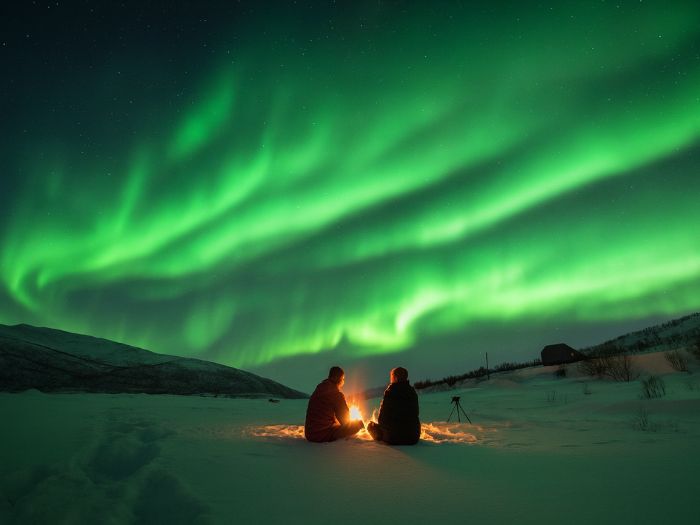
Afternoon naps (3-5pm) for young children ages 2-7 provide sleep preparing them for late 6pm-midnight Northern Lights tours, requiring dark hotel rooms and white noise machines.
Accepting overtired children the next day proves necessary strategy with families planning easy morning recovery activities (late breakfast, pool time, quiet museum visit) after midnight tours.
Rotating parents where one stays at hotel with sleeping young child while other takes older kids on Northern Lights tour works for families with significant age gaps.
Some families skip organized tours in favor of DIY Northern Lights viewing from hotel or easy-access spots like Telegrafbukta, allowing flexible timing matching kids’ schedules.
Table: Northern Lights Tour Strategies for Families
| Strategy | Best For | Pros | Cons | Success Rate | Cost Impact |
|---|---|---|---|---|---|
| Afternoon Naps Before Tour | Kids 5-8 years | Kids can participate fully | Disrupts routine, hard to nap on demand | High if nap works | None |
| Accept Overtired Next Day | All ages | Don’t miss experience | Grumpy kids, lost morning | High | None |
| Parent Rotation | Big age gaps | Everyone gets experience | Parents miss time together | High | None |
| DIY Close Locations | Young kids 2-6 | Flexible timing, return if needed | Miss guide expertise | Medium (40-50%) | Save €360-600 tour |
| Stay at Dark Sky Hotel | All ages | View from accommodation | Limited mobility for best views | Medium-High | €20-40/night premium |
| Skip Northern Lights Tours | Very young kids 0-4 | Keep normal routine | Miss main Arctic attraction | N/A | Save €360-600 |
| Private Family Tour | Budget allows | Custom timing, pace | Very expensive | High | Extra €200-400 |
The nap strategy works imperfectly with kids often resisting afternoon sleep, hotel rooms being too bright, and tour excitement preventing rest despite parental efforts.
Next-day acceptance means planning light 9-11am late breakfast, pool or hotel time, with no major activities before 2pm allowing exhausted kids to recover.
Parent rotation enables one parent experiencing Northern Lights with older children while other maintains bedtime routine with toddler, requiring both parents being okay missing shared moment.
DIY Northern Lights from close locations like Telegrafbukta (5km), Kvaløya viewpoints (10km), or hotel grounds enables returning within 30 minutes if kids melt down.
Dark sky hotels on mainland (Tromsø Lodge, various Airbnb properties) offer Northern Lights viewing from rooms though limiting mobility for optimal viewing versus guided tour chase flexibility.
The skip-it approach proves practical for families with kids under 4 who won’t remember anyway, focusing instead on daytime activities and accepting Northern Lights aren’t essential.
Private family tours (€800-1,200 total vs €360-600 group tours) allow custom timing potentially starting 7pm vs standard 6pm, or shorter 4-hour versions for young kids.
Hot chocolate bribes during tours keep kids engaged, with tour operators providing drinks (included) and snacks helping children tolerate longer wait times for aurora appearance.
Sleeping in heated buses between aurora viewing periods works with many kids napping while parents watch, guides waking everyone when Northern Lights appear.
Some families report 5-7 year olds sleeping through entire Northern Lights tours despite parents’ best nap strategies, though older kids (8+) usually manage to stay engaged.
Compare the current quote with your own group budget. The minibus aurora chase includes warm suits, camera-setting help and high-resolution photos. Explore Small-Group Aurora Chase With HD Photos
What Are Common Family Challenges in Tromsø?
Jet lag affects children more severely than adults with European/American visitors needing 2-3 days adjusting to Norwegian time, impacting first days’ activities and moods.
Constant gear management (coats, hats, gloves, boots) requires organizing, drying, re-equipping 4+ people multiple times daily, consuming significant time and hotel space.
Limited kids’ activity variety during winter with most adventures being single-day experiences (dog sledding once, cable car once) versus playgrounds or pools providing repeated entertainment.
Screen time battles intensify in hotel downtime with kids wanting tablets/phones during 2-4pm rest periods or evening hotel time when parents want device-free family connection.
Table: Common Family Challenges and Solutions
| Challenge | Frequency | Impact | Preventable? | Solution | Cost |
|---|---|---|---|---|---|
| Jet Lag First 2-3 Days | Very Common | High (cranky kids) | Partially | Arrive 1 day early, light first days | Extra night €140-280 |
| Gear Organization Chaos | Constant | Medium-High | No | Packing cubes, hotel storage | €30-60 organizers |
| Kids Getting Cold | Common | High | Partially | Proper gear, frequent breaks | €250-400/child gear |
| Activity Boredom by Day 4 | Common | Medium | Partially | Vary activities, free play time | Free (accept downtime) |
| Mealtime Pickiness | Very Common | Medium | No | Familiar foods, self-cater option | €50-100 extra groceries |
| Screen Time Battles | Common | Low-Medium | Partially | Set clear rules before trip | Free |
| Overtiredness | Very Common | High | Yes | Realistic 1-2 activities daily | Free (pacing) |
| Sibling Conflict | Common | Medium | Partially | Separate activities sometimes | €0-200 split tours |
| Missing Home Comforts | Common | Low-Medium | No | Bring familiar items, video call home | Free |
| Weather Cancellations | Occasional | Medium-High | No | Flexible plans, backup activities | €0-100 indoor alternatives |
The jet lag challenge for families coming from US (7-9 hours ahead) creates 2-3 days of 4am wake-ups, afternoon crashes, and generally miserable children adjusting to Norwegian time.
Gear chaos with family of four generates 16+ items (4 coats, 4 pairs boots, 8 gloves, 4 hats) requiring tracking, drying on radiators, and reorganizing before each outing.
Activity repetition becomes boring by Day 4-5 when kids have done dog sledding, cable car, aquarium once with no replay value, requiring creative free play (sledding hills, hotel pool).
Picky eating intensifies in foreign countries with kids refusing Norwegian breakfast items (brown cheese, fish, dark breads), requiring parents to locate familiar foods (cereal, toast, yogurt).
Screen time negotiations consume family energy with kids expecting tablets during downtime while parents want family interaction, requiring pre-trip agreements and consistency.
The overtired spiral happens when parents overestimate kids’ energy, scheduling 2-3 major activities creating exhaustion cascading into meltdowns, poor sleep, and miserable next days.
Sibling conflicts increase in confined hotel rooms with limited personal space, winter forcing more indoor time together versus home where kids retreat to separate rooms.
Weather cancellations forcing Plan B indoor activities (museums, aquarium, shopping) feel disappointing to kids excited about promised dog sledding or hiking, requiring parental positivity and flexibility.
Missing home comforts affects kids more than adults with complaints about Norwegian food, hotel beds, foreign TV channels, creating homesickness requiring video calls with friends.
Match the activity to your youngest participant before arranging the family day. The four-hour reindeer visit includes transfers, Sámi storytelling and lunch. Explore Reindeer Sledding And Sámi Culture
How Does Summer Family Travel Differ from Winter?
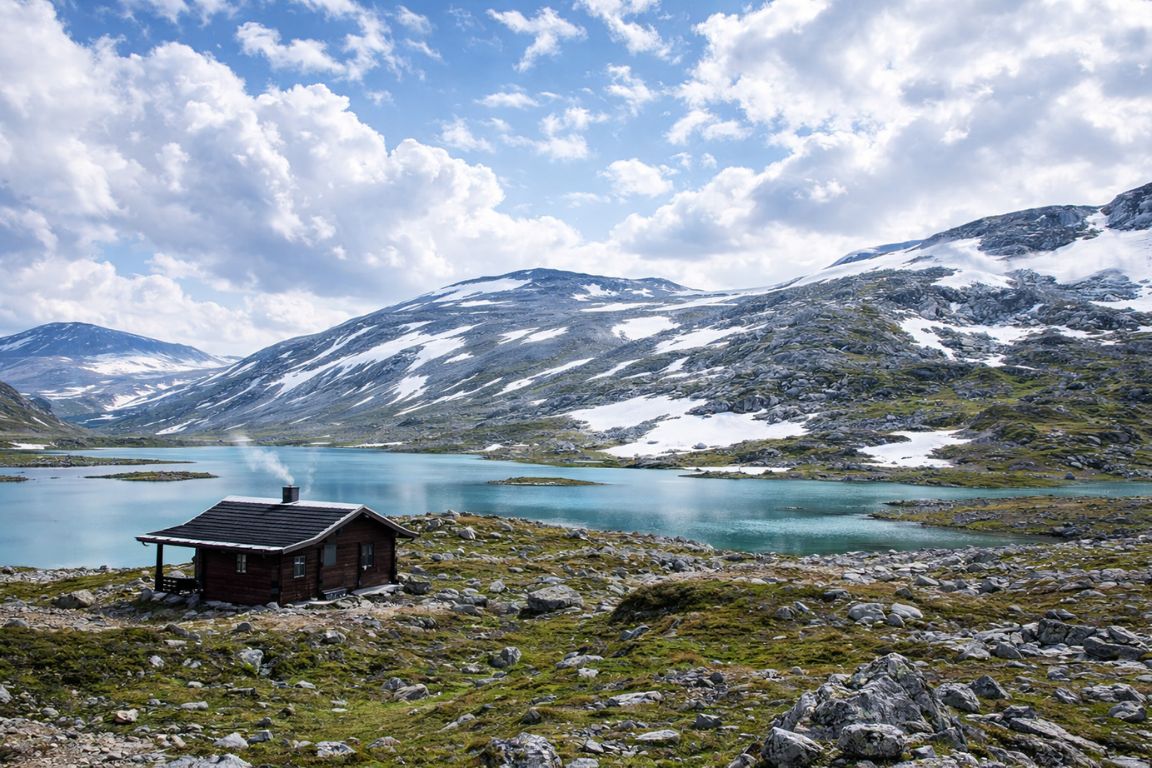
Summer temperatures 10-15°C (50-59°F) eliminate extreme cold gear requirements, reducing packing volume and dressing time dramatically versus winter’s -10°C to -20°C demanding layered outfits.
Midnight sun enables extended outdoor play with kids active 9-11pm at playgrounds and beaches alongside Norwegian children following relaxed summer schedules.
Hiking access opens extensive trail networks from easy coastal walks (Telegrafbukta, Prestvannet) to moderate mountain climbs (Tromsdalstinden), creating free varied activities versus winter’s limited options.
Northern Lights absence removes the late-night tour conflict enabling normal 7-8pm kids’ bedtimes and regular family routines versus winter’s midnight tour returns.
Table: Summer vs Winter Family Travel Comparison
| Factor | Summer (Jun-Jul) | Winter (Nov-Feb) | Better For Families |
|---|---|---|---|
| Temperature | 10-15°C (50-59°F) | -10°C to -20°C (-5°F to -15°F) | Summer (comfortable) |
| Clothing Needs | Light layers, rain jacket | Extreme cold gear €250-400/child | Summer (simpler) |
| Dressing Time | 5 min per person | 15-20 min per person | Summer (faster) |
| Main Attraction | Midnight sun (free, flexible timing) | Northern Lights (€90-150, late night) | Debatable (different experiences) |
| Outdoor Activities | Hiking, fishing, playgrounds, beaches | Dog sledding, snow play, limited options | Summer (more variety) |
| Activity Costs | Many free (hiking, beaches) | Most paid (tours €150-250) | Summer (cheaper) |
| Bedtime Routine | Normal 7-8pm possible | Disrupted by 6pm-midnight tours | Summer (easier) |
| Weather Challenges | Rain (10-12 days/month) | Extreme cold, darkness | Summer (more forgiving) |
| Kid Energy Level | Higher (comfortable temps) | Lower (cold is draining) | Summer |
| Infant/Toddler Feasibility | Much easier (safe outdoor time) | Very difficult (cold exposure risk) | Summer dramatically |
Summer’s comfortable temperatures enable toddlers and infants participating safely with stroller walks, playground time, and beach visits impossible during winter’s dangerous cold exposure.
The midnight sun paradox creates sleep challenges with 24-hour daylight making 7-8pm bedtimes difficult despite blackout curtains, requiring sleep masks and strict routines.
Hiking provides free family entertainment versus winter’s expensive paid tours (dog sledding €150-250, Northern Lights €90-150, snowmobile €180-280) dramatically reducing activity budgets.
Packing simplicity for summer requires one backpack per family versus winter’s checked bags full of bulky coats, boots, and layers, simplifying travel logistics.
Rain affects summer more than winter (10-12 rainy days monthly vs snow) requiring rain gear and indoor backup plans, though 10-15°C rain feels far less punishing than -15°C cold.
The Northern Lights trade-off means summer families miss Arctic’s most famous attraction accepting midnight sun as alternative unique phenomenon equally spectacular though less marketed.
Beach time at Telegrafbukta and coastal areas provides free summer entertainment with kids playing in sand (not swimming, water 8-12°C/46-54°F too cold) versus winter when beaches are inaccessible.
Norwegian summer camps and local kids’ activities integrate visiting families into authentic culture with playgrounds full of children providing natural social opportunities.
Energy level differences show kids tolerating 3-4 hours outdoor time in summer versus 60-90 minutes maximum in winter before cold complaints begin.
Baby carriers work year-round though summer’s lighter infant clothing versus winter’s bulky suits changes fitting and comfort significantly.
Our complete best time to visit Tromsø guide breaks down each month’s conditions, helping you choose optimal timing for your priorities.
FAQs
Check your travel date before arranging other plans. The four-hour husky session includes transfers, warm gear, cake and a hot drink. Check Tromsø Husky Sledding Dates
What is the best age for kids to visit Tromsø?
Ages 5-12 years old work best with children old enough to remember the trip, appreciate Northern Lights, handle cold weather with proper gear, and participate in most activities without constant carrying.
Match the activity to your youngest participant before arranging the family day. The four-hour husky session includes transfers, warm gear, cake and a hot drink. Explore Self-Drive Husky Sledding
Is Tromsø safe for families with young children?
Extremely safe from crime perspective (near-zero), though winter weather creates real risks (hypothermia, frostbite) requiring proper gear and frequent warm-up breaks for kids under 8 years.
Can toddlers do Northern Lights tours in Tromsø?
Yes, though challenging with late 6pm-midnight timing conflicting with bedtimes, requiring afternoon naps and accepting overtired children the next day, or skipping organized tours for DIY flexible viewing.
Discover what fits this part of your trip. The minibus aurora chase includes warm suits, camera-setting help and high-resolution photos. Explore Small-Group Aurora Chase With HD Photos
How much does a family trip to Tromsø cost?
Budget €1,250-2,000 for 5 days (camping, self-catering, selective tours), mid-range €2,000-3,250 (hotels, mixed dining, daily activities), luxury €4,000-6,000+ (premium everything) for family of four.
Check your travel date before arranging other plans. The four-hour reindeer visit includes transfers, Sámi storytelling and lunch. Check Tromsø Reindeer Sledding Dates
What are the best family activities in Tromsø?
Northern Lights tours (all ages), dog sledding (5+ years), Polaria aquarium (2+ years), cable car (all ages), reindeer feeding (3+ years), and public sledding hills (3+ years) rank highest.
Is summer or winter better for families in Tromsø?
Summer easier with comfortable 10-15°C temperatures, no extreme gear needs, midnight sun enabling flexible schedules, though winter offers Northern Lights and dog sledding experiences more iconic.
Check your travel date before arranging other plans. The Sommarøy road trip includes a salmon picnic and professional photos. Check Your Sommarøy Tour Date
How to Plan the Perfect Family Tromsø Trip
Choose ages carefully with kids 5-12 being optimal range, accepting toddlers 2-4 create challenges, and infants 0-2 facing dangerous cold exposure limiting activities.
Book 5-6 days allowing flexible pacing with 1-2 activities daily maximum, essential 2-4pm rest periods, and backup days for weather cancellations or kids’ illness.
Select family-friendly hotels with breakfast buffets (saves morning hassles), connecting or family rooms (space essential), and central locations (minimizes transport with gear).
Budget realistically allocating €2,500-3,500 for family of four covering 5 days including accommodation (€900-1,400), activities (€600-1,250), meals (€400-650), transport (€200-400).
Pack proper winter gear for each child (boots €80-150, jacket €100-200, complete outfit €250-400) accepting these upfront costs prevent miserable cold experiences.
Plan activities appropriately mixing major adventures (dog sledding, Northern Lights) with simple outings (cable car, aquarium, playgrounds) preventing exhaustion from constant intensity.
Prepare kids mentally explaining cold weather expectations, late Northern Lights timing, and different Norwegian food creating realistic expectations versus surprises.
Accept flexibility as essential philosophy with rigid schedules failing when kids melt down, weather cancels activities, or jet lag disrupts everything planned.
If you want a morning activity with a set duration, see the Epic Husky Sledding Self-Drive Experience in Tromso and compare departure times.
Glossary
- Family Room: Hotel accommodation with space for 4+ people through connecting rooms, suites, or extra beds, costing €160-280 nightly.
- Kids’ Cold Tolerance: Children’s lower ability to handle cold (60-90 minutes max outdoor vs 2-3 hours adults) requiring frequent warmth breaks.
- Afternoon Rest Period: Essential 2-4pm downtime for naps, pool time, or quiet activities preventing meltdowns from overstimulation.
- Northern Lights Bedtime Conflict: Challenge of late 6pm-midnight tours conflicting with young kids’ typical 7-8pm bedtimes.
- Winter Gear Dressing: 15-20 minute process per child donning base layers, mid layers, outer shell, boots, accessories before each outdoor excursion.
Check your travel date before arranging other plans. The four-hour husky session includes transfers, warm gear, cake and a hot drink. Check Tromsø Husky Sledding Dates
Key Takeaways
- Kids ages 5-12 years old are optimal for Tromsø with ability to appreciate Northern Lights, handle cold weather, and participate in activities without constant carrying.
- Family-friendly activities include Northern Lights tours (all ages, late bedtime challenge), dog sledding (5+ years, €150-250), Polaria aquarium (2+ years, €18 adults/€8 kids), cable car (all ages, €35 adults/€18 kids), reindeer feeding (3+ years, €100-180).
- Best family hotels: Scandic Ishavshotel (€180-280, connecting rooms, breakfast buffet), Clarion Collection With (€160-240, family suites, free evening meal), Smart Hotel (€140-200, budget option).
- Daily family costs: budget €250-400 (4 people), mid-range €400-650, luxury €800-1,200+ including all expenses. Five-day trip costs: budget €1,250-2,000, mid-range €2,000-3,250, luxury €4,000-6,000+ for family of four. Realistic 1-2 activities daily maximum with essential 2-4pm rest period preventing overtired meltdowns.
- Winter challenges: extreme cold -10°C to -20°C requiring proper gear (€250-400 per child), 15-20 minute dressing time per child, kids’ cold tolerance 60-90 minutes vs adults 2-3 hours.
- Northern Lights tour timing (6pm-midnight) conflicts with young kids’ bedtimes requiring afternoon naps or accepting overtired children next day.
- Kid-friendly restaurants: Asian (€50-80 family), bakeries (€35-60), pizza chains (€60-90), hotel buffets included or €40-60. Educational benefits: aurora science, Arctic ecosystem, Sami culture, geography experiencing polar night/midnight sun.
- Summer easier for families: comfortable 10-15°C temperatures, no extreme gear, midnight sun flexible timing, free hiking versus winter’s paid tours.
- Skip activities: snowmobile safaris (too cold young kids), boat tours over 4 hours (boredom), fine dining (wasted money), late-night activities.
- Proper winter boots €80-150 per child, jackets €100-200, complete outfit €250-400 essential preventing frostbite. Plan complete family Tromsø adventures at /.
Written by Erik Johansen, Tromsø tour guide for the past 15 years, specializing in Northern Lights expeditions and family Arctic travel planning.
Check Your Tour Date
Check your Tromsø sledding date before filling the day. This four-hour self-drive outing includes kennel transport, winter gear, cake and a hot drink.
Adjust activity, timing or group needs
General recommendations: confirm dates and group requirements
Use a self-guided city walk, a playground or a public sledding hill when conditions are suitable, and consider an aurora attempt from the accommodation or a nearby easy-access location. Pair one simple outing with a museum, aquarium, cable-car visit or hotel rest so the family can stop early without losing a full day.
Compare Your Group’s Real Costs
Use current quotes in the same currency. Include transport, fuel, parking and equipment in your DIY total. Include all participants and extras in the tour total.
Booking takes place with the provider. Prices, exact departures and available options are shown there. We may earn a commission when you book through these links.