Best Months to See the Northern Lights in Tromsø: Complete 2026-2027 Guide
Best months for Northern Lights in Tromsø: January #1 (75-80% success, polar night). Dec-Feb peak season. Sep-Oct 25-30% cheaper (50-65% success). Apr-Aug impossible. 2026.
Last updated: August 31, 2026
TL;DR
Best months for Northern Lights in Tromsø are December-February with peak viewing November 21-February 15 offering maximum darkness (0-6 hours daylight), clearest skies (60-70% cloud-free nights), and strongest aurora activity creating 70-80% cumulative success rates over 3-4 nights. January ranks #1 with polar night darkness, stable cold weather (-10°C to -15°C), and 75-80% success though highest crowds and prices (€140-200 accommodation, €90-150 tours). November-February provides 18-20 hours nightly darkness enabling flexible viewing windows versus shoulder months. September-October offers budget alternative (25-30% lower costs) with 50-65% success rates as season begins, moderate crowds, though shorter darkness (8-14 hours) and less stable weather. March works with 60-70% success as sun returns creating beautiful twilight though aurora season ending. April-August impossible for Northern Lights due to midnight sun with 18-24 hours continuous daylight preventing aurora visibility. Polar night November 21-January 21 creates perpetual darkness optimal for photography and all-day viewing flexibility. Book 3-6 months ahead peak December-February season. Weather variability affects all months requiring 3-4 night stays for reliability. Aurora strength peaks during solar maximum and the declining-phase years after it, with Solar Cycle 25's 2024 peak keeping activity favorable through the 2026-2027 season.
5–8 hours for aurora hunt with meal and photos. Book The Aurora Hunt
Choose a departure that fits your dates; natural conditions remain uncertain. The minibus aurora chase includes warm suits, camera-setting help and high-resolution photos. Explore Small-Group Aurora Chase With HD Photos
What Are the Overall Best Months for Northern Lights?
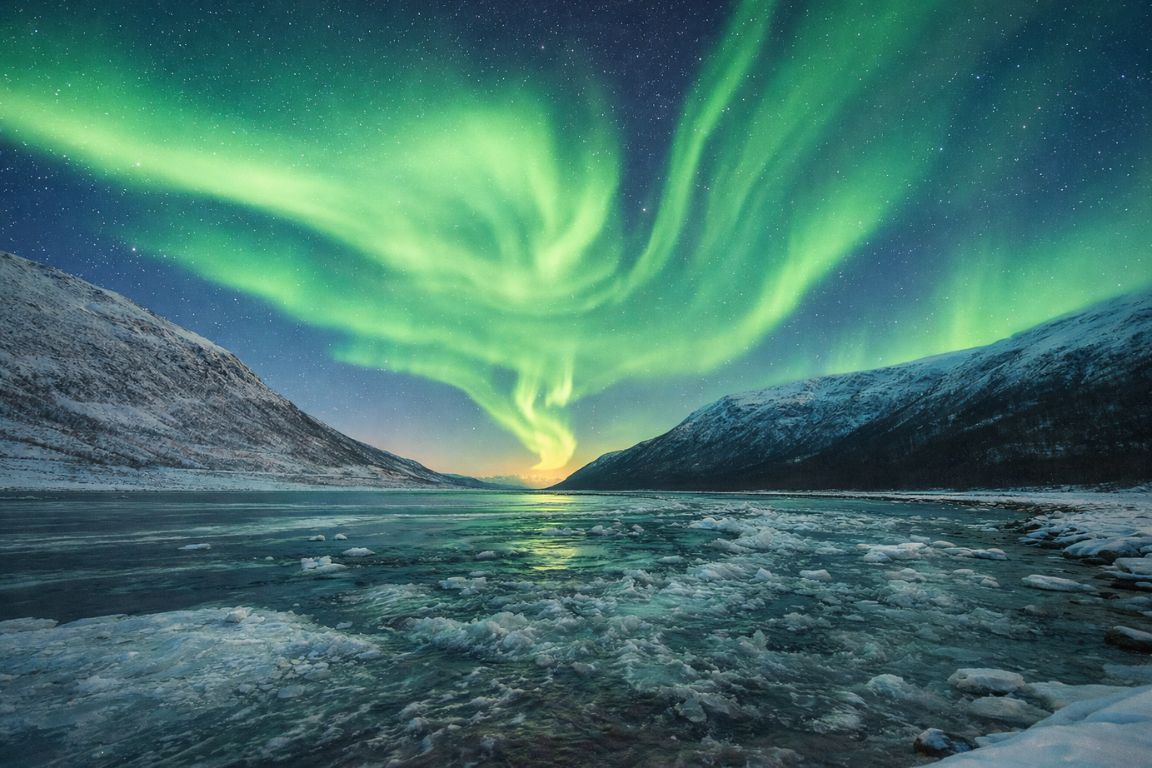
December through February represent the optimal Northern Lights viewing period combining maximum darkness (0-6 hours daylight), stable Arctic weather patterns, and peak aurora activity creating 70-80% success rates over 3-4 nights.
November 21 through February 15 specifically marks the absolute prime window when polar night darkness (sun never rising) merges with winter weather stability producing the most reliable conditions.
January stands as the single best month offering the perfect combination of 24-hour polar night darkness, clearest winter skies averaging 30-35% cloud-free nights, and strong geomagnetic activity.
The three-month core season (December-February) justifies the cold, expense, and crowds through delivering the highest-probability Northern Lights experiences available anywhere in the Arctic circle.
For month-by-month seasonal breakdowns, see our detailed best time to visit Tromsø guide.
Table: Monthly Northern Lights Ranking Overview
| Month | Overall Rank | Success Rate (3-4 Nights) | Darkness Hours | Weather Stability | Crowds | Prices | Why This Rank |
|---|---|---|---|---|---|---|---|
| January | #1 | 75-80% | 0-2 hrs (polar night) | Very Stable | Very High | Highest | Perfect darkness, clearest skies |
| December | #2 | 75-80% | 0 hrs (polar night) | Stable | Very High | Highest | Full polar night, Christmas atmosphere |
| February | #3 | 70-75% | 6 hrs (sun returns) | Stable | Very High | Highest | Still excellent darkness, warming |
| November | #4 | 70-75% | 0-6 hrs (polar night begins) | Moderately Stable | High | High | Polar night starts, building season |
| March | #5 | 60-70% | 12 hrs | Less Stable | High | High | Season ending, beautiful twilight |
| October | #6 | 55-65% | 12-14 hrs | Variable | Medium | Medium-High | Season beginning, autumn colors |
| September | #7 | 50-60% | 14-16 hrs | Variable | Low-Medium | Medium | Early season, short darkness |
| April-August | N/A | 0% | 18-24 hrs (too light) | N/A | Varies | Varies | Impossible – midnight sun |
The January-February advantage combines established winter weather patterns with solar activity peaks creating conditions where experienced guides know exactly where to find aurora displays.
Polar night period (November 21-January 21) enables all-day aurora viewing flexibility versus shoulder months where viewing windows restrict to 9pm-3am darkness periods.
December’s Christmas atmosphere attracts maximum tourists creating 40-60% price premiums and requiring 4-6 months advance booking despite being tied for best aurora conditions with January.
November serves as aurora season opening with darkness rapidly increasing throughout the month, though weather patterns still transitioning from autumn creating more variability.
February marks the sweet spot balancing excellent aurora conditions with returning sun creating beautiful twilight photography opportunities and slightly milder temperatures (-8°C to -12°C versus -12°C to -18°C January).
March’s 60-70% success rates remain solid though aurora activity declining with increasing daylight (12 hours) and spring weather instability creating more cloudy nights.
The shoulder month trade-off (September-October, March) offers 25-30% lower prices and moderate crowds accepting 10-20% lower success rates versus peak winter.
That ranking turns into an actual choice pretty fast: book for the peak window, pay for extra comfort, or hedge with something that still works on a cloudy night.
Choose a departure that fits your dates; natural conditions remain uncertain. The minibus aurora chase includes warm suits, camera-setting help and high-resolution photos. Explore Small-Group Aurora Chase With HD Photos
Why Is January the #1 Month?
January provides perpetual polar night darkness with sun remaining below horizon creating 0-2 hours twilight maximum, enabling Northern Lights viewing from 2pm through 2am without timing constraints.
Winter weather stability reaches peak during January with established Arctic high-pressure systems creating clearest skies averaging 30-35% fully cloud-free nights versus 20-25% other months.
The coldest month temperatures (-12°C to -18°C/-5°F to 0°F) correlate with clear high-pressure weather systems that simultaneously create bitter cold and optimal aurora viewing conditions.
Geomagnetic activity levels during January typically reach seasonal peaks influenced by solar wind patterns and Earth’s magnetic field orientation favoring Northern Lights displays.
Table: January Complete Northern Lights Assessment
| Factor | Rating | Details | Why It Matters | Compared to Other Months |
|---|---|---|---|---|
| Darkness Hours | Excellent (0-2) | Polar night, sun never rises | Unlimited viewing windows | Maximum 18-20 hrs vs other months |
| Weather Clarity | Excellent | 30-35% cloud-free nights | Aurora visible when present | Best clarity of any month |
| Aurora Strength | Very Strong | KP 3-5 common | Vivid colorful displays | Peak activity period |
| Temperature | Very Cold (-15°C avg) | -12°C to -18°C typical | Clear skies but brutal cold | Coldest month, proper gear essential |
| Success Rate | 75-80% (3-4 nights) | Highest probability | Most reliable results | 10-15% better than shoulders |
| Crowds | Very High | Peak season | Advanced booking essential | Highest with December |
| Prices | Highest (€140-200 accommodation) | Peak season premium | Most expensive | 20-40% above October/March |
| Booking Timeline | 4-6 months ahead | Sells out early | Plan far in advance | Most competitive availability |
The polar night perpetuity means families can view Northern Lights at reasonable 7-9pm hours versus shoulder months forcing midnight viewing when kids are exhausted.
January’s established winter weather patterns create predictability with meteorologists accurately forecasting 2-3 days ahead, enabling strategic planning versus September-October’s chaotic transitions.
The coldest temperatures (-15°C to -20°C common) require extreme cold weather gear though this same cold produces the high-pressure systems clearing clouds for aurora viewing.
Snow-covered landscapes during January provide optimal Northern Lights photography foregrounds with white snow reflecting aurora colors creating dramatically enhanced images versus darker grounds.
Christmas-New Year crowds thin by January 5-7 making mid-to-late January (January 8-28) the absolute optimal window balancing peak conditions with slightly moderated crowds.
Tour operator expertise peaks in January after 2-3 months operating experience refining location knowledge, timing strategies, and guest management creating smoothest experiences.
The darkness depth enables seeing fainter aurora displays (KP 1-2) that would be invisible during March’s 12-hour daylight, expanding viewing opportunities beyond only strongest displays.
Accommodation prices while highest (€140-200) remain consistent throughout January versus December’s Christmas spike (€180-250), providing better value within peak season.
The 75-80% success rate over 3-4 nights makes January the only month where 2-night trips achieve respectable 60-65% probability versus 40-50% during shoulder periods.
Cultural events including Tromsø International Film Festival (mid-January) and Northern Lights Festival (late January) add entertainment value beyond aurora hunting.
The choice between visiting Tromsø in winter versus summer depends entirely on your priorities. Our seasonal comparison guide examines what each season offers.
Discover what fits this part of your trip. The minibus aurora chase includes warm suits, camera-setting help and high-resolution photos. Explore Small-Group Aurora Chase With HD Photos
How Do November-February Compare?
November initiates aurora season with polar night beginning November 21, though autumn-winter weather transition creates variable conditions and 70-75% success rates versus 75-80% deep winter.
December matches January for aurora success (75-80%) with full polar night, though Christmas crowds (December 20-January 5) create 40-60% price spikes and availability challenges.
February maintains excellent 70-75% success despite sun returning February 16, with warmer temperatures (-8°C to -12°C) and beautiful twilight photography opportunities.
The four-month period provides consistently strong aurora viewing with month choice determined by budget (November cheapest), tolerance for cold (February warmest), or desire to avoid crowds (early November, late February).
Table: Peak Season Month-by-Month Comparison November-February
| Factor | November | December | January | February | Best Value |
|---|---|---|---|---|---|
| Success Rate (3-4 Nights) | 70-75% | 75-80% | 75-80% | 70-75% | December/January tied |
| Darkness Hours Daily | 0-6 (building) | 0 (full polar night) | 0-2 (full polar night) | 6 (sun returning) | December/January |
| Temperature Average | -6°C to -10°C | -8°C to -12°C | -12°C to -18°C | -8°C to -12°C | November (warmest) |
| Accommodation Prices | €120-180 | €140-200 (€180-250 Christmas) | €140-200 | €140-200 | November (cheapest) |
| Crowds | High | Very High | Very High | Very High | November (most manageable) |
| Weather Stability | Moderate | Stable | Very Stable | Stable | January (most predictable) |
| Booking Timeline | 3-4 months | 4-6 months | 4-6 months | 4-6 months | November (more available) |
| Photography Conditions | Good | Excellent (full dark) | Excellent (full dark) | Excellent (twilight + dark) | January/February (different styles) |
November’s early season advantage offers 20-30% lower accommodation (€120-180 vs €140-200) and moderate crowds before peak December-February deluge.
The polar night timing shows November 1-20 having 2-6 hours daylight, then November 21 onward full polar night matching December-January darkness.
December-January darkness parity makes them interchangeable for aurora conditions with choice driven by Christmas atmosphere preference (December) versus avoiding holiday crowds (January).
February’s sun return creates unique photography opportunities with 1-2 hours beautiful blue-hour twilight (12-2pm) framing Northern Lights sessions in stunning golden-blue gradients.
Temperature progression from November’s relatively mild -8°C through January’s brutal -15°C to February’s improving -10°C affects activity comfort and gear requirements.
The Christmas week premium (December 20-January 5) sees accommodation reaching €180-250 versus €140-200 normal winter rates, making this 2-week window least economical.
November specifically benefits families wanting shorter travel (Thanksgiving week Americans) or seniors avoiding extreme cold, with -8°C being more manageable than -15°C.
December’s cultural advantage includes Christmas markets, festive atmosphere, and holiday decorations creating magical Arctic winter experience beyond just aurora viewing.
January’s post-holiday normalization (after January 6) provides peak aurora conditions without Christmas chaos, making January 7-31 the expert recommendation for pure aurora focus.
February 1-15 maintains excellent conditions before sun return February 16, while February 16-28 transitions toward spring with beautiful but declining aurora probabilities.
Choose a departure that fits your dates; natural conditions remain uncertain. The minibus aurora chase includes warm suits, camera-setting help and high-resolution photos. Explore Small-Group Aurora Chase With HD Photos
What Makes Shoulder Seasons (September-October, March) Different?
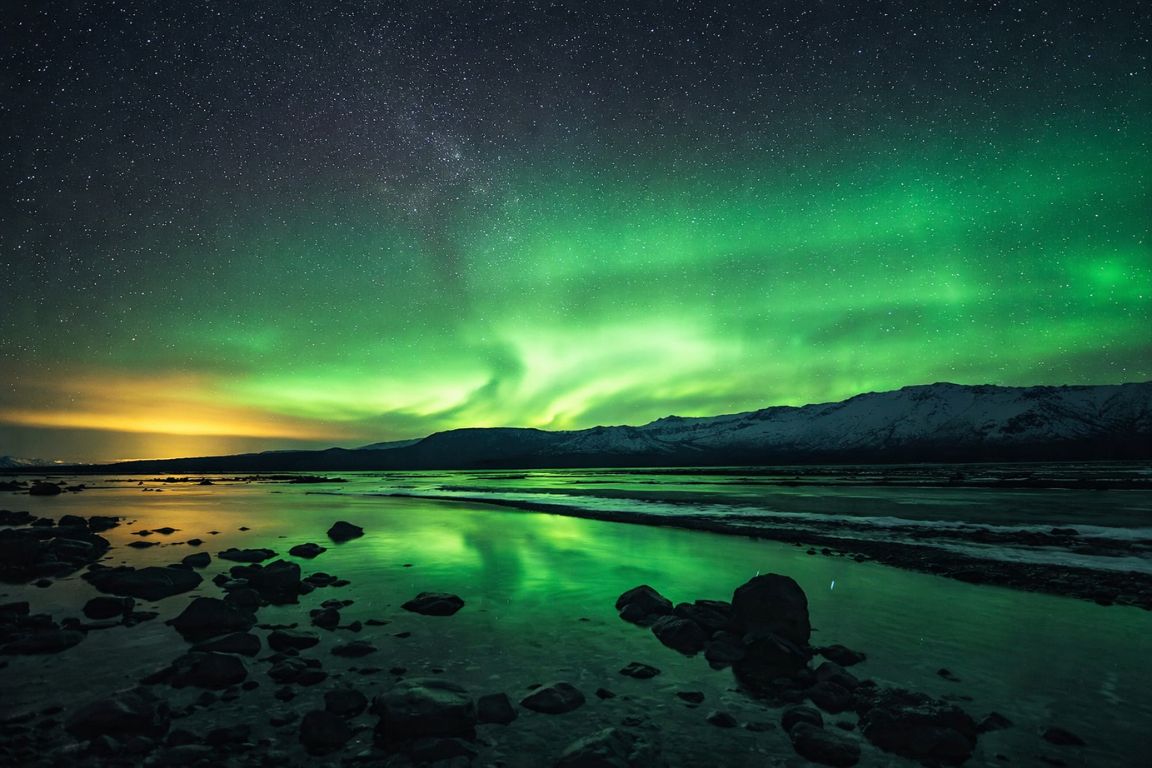
September-October offers aurora season beginning with 50-65% success rates over 3-4 nights, shorter 8-14 hour darkness windows, and variable autumn weather transitioning to winter.
March provides season ending with 60-70% success despite 12 hours daylight, beautiful twilight conditions, and unstable spring weather alternating between winter storms and mild days.
Shoulder season advantages include 25-30% lower accommodation prices (€100-150 vs €140-200 peak), moderate crowds, and availability without 4-6 months advance booking requirements.
The trade-off accepts 10-15% lower success rates and restricted viewing windows (9pm-3am versus all-day polar night flexibility) for significant cost savings and easier logistics.
Check your actual September, October or March travel date before arranging other plans. The Aurora Hunt reserves 5–8 hours and includes thermal clothing, a meal and photos. Check a shoulder-season hunt date
Table: Shoulder Season Detailed Assessment
| Factor | September | October | March | Peak Winter (Dec-Feb) | Shoulder Advantage? |
|---|---|---|---|---|---|
| Success Rate (3-4 Nights) | 50-60% | 55-65% | 60-70% | 70-80% | No (15-25% lower) |
| Darkness Hours | 14-16 hrs | 12-14 hrs | 12 hrs | 0-6 hrs (polar night) | No (limited windows) |
| Weather Stability | Variable (autumn transition) | Variable | Variable (spring transition) | Stable | No (unpredictable) |
| Accommodation Prices | €80-140 | €100-150 | €120-180 | €140-200 | Yes (25-30% cheaper) |
| Crowds | Low-Medium | Medium | High | Very High | Yes (more manageable) |
| Booking Timeline | 2-4 weeks | 2-3 months | 3-4 months | 4-6 months | Yes (last-minute possible) |
| Temperature | 0°C to -4°C | -2°C to -8°C | -4°C to -8°C | -8°C to -15°C | Mixed (milder but wet) |
| Unique Benefits | Autumn colors, budget | Fall foliage, building season | Spring twilight, warming | Polar night magic | Different, not better |
September’s early season challenges include shortest darkness (14-16 hours with viewing restricted 9pm-3am), highest cloud cover (65-70%), and weakest aurora activity as season begins.
The autumn color advantage in September-October provides dramatic fall foliage photography backgrounds impossible during winter’s snow-covered monochrome landscapes.
October’s building season sees darkness extending to 12-14 hours (viewing 8pm-4am) with improving weather stability and strengthening aurora activity as winter approaches.
March maintains surprisingly strong 60-70% success despite 12-hour daylight through persistent cold weather, established aurora patterns, and sun’s low angle limiting light pollution.
The twilight photography opportunity in March creates stunning blue-hour backgrounds (11am-2pm) with pink-orange horizon gradients framing Northern Lights creating artistic images impossible during polar night.
Budget travelers specifically benefit from shoulder seasons with €80-140 September accommodation versus €140-200 January, saving €300-600 over 5-night stays (4-person family).
Weather unpredictability during transitions means September-October can deliver rain versus snow, temperatures fluctuating 0°C to -10°C daily, and sudden storms canceling activities.
March spring skiing combines Northern Lights viewing with excellent snow conditions and extending daylight enabling varied activity portfolio versus winter’s limited options.
The booking flexibility shows shoulder months accepting 2-4 week advance reservations versus peak winter’s 4-6 months, enabling spontaneous trips based on weather forecasts.
Tour operator schedules reduce during shoulders with some companies operating 3-4 tours weekly versus 7-nights during peak, requiring coordination around available departures.
Our complete guide on planning your visit to Tromsø answers the key questions: which season, how many days, what to book ahead, and how much to budget for Arctic Norway.
Why Are April-August Impossible?
April through August provides 18-24 hours continuous daylight (midnight sun May 20-July 22) preventing Northern Lights visibility despite aurora technically occurring overhead in darkness-free sky.
The physical impossibility stems from sunlight overwhelming faint aurora displays requiring darkness for human eye detection, with even twilight conditions masking aurora below visibility threshold.
Midnight sun peak June-July creates 24-hour continuous daylight with sun circling horizon never setting, producing stunning phenomenon though completely incompatible with Northern Lights viewing.
Tourists frequently misunderstand this limitation booking summer trips expecting Northern Lights, requiring clear communication that aurora viewing is physically impossible outside October-March darkness window.
Visiting in the bright summer months? Explore Sommarøy’s islands by road with a salmon picnic and photos; this is daytime sightseeing, not an aurora outing. Explore The Sommarøy Day Trip
Table: Why Summer Months Don’t Work for Northern Lights
| Month | Daylight Hours | Darkness Hours | Can See Aurora? | Why Not? | Alternative Phenomenon |
|---|---|---|---|---|---|
| April | 16-18 hrs | 6-8 hrs twilight | No | Twilight too bright, aurora activity declining | Spring skiing, extending days |
| May | 20-24 hrs | 0-4 hrs twilight | No | Approaching midnight sun, no darkness | Early midnight sun, hiking begins |
| June | 24 hrs | 0 hrs | No | Full midnight sun, sun never sets | Midnight sun peak, hiking |
| July | 24 hrs | 0 hrs | No | Full midnight sun continued | Warmest month, best hiking |
| August | 18-20 hrs | 4-6 hrs twilight | No | Midnight sun ending but still too light | Late summer hiking, aurora approaching |
April’s 6-8 hours darkness sounds promising though consisting entirely of twilight bright enough to overwhelm aurora displays, with season also naturally declining after March.
The May-July midnight sun period creates spectacular 24-hour golden-hour light perfect for landscape photography though eliminating any darkness required for aurora visibility.
Aurora borealis technically occurs year-round including summer with solar wind constantly interacting with Earth’s magnetic field, though sunlight prevents human detection.
August’s returning darkness (4-6 hours late month) remains insufficient with deep twilight rather than true night, pushing practical aurora season beginning to September.
The common tourist mistake involves booking June-July expecting Northern Lights based on “Arctic” association, requiring travel agents and operators clearly communicating seasonal limitations.
Winter alternatives shows summer visitors experiencing midnight sun, hiking, fishing, and fjord cruises as the summer phenomena replacing Northern Lights as seasonal attraction.
Scientific instruments detect aurora year-round through magnetometers and radio measurements independent of light, though human visual observation requires October-March darkness.
Marketing challenges arise from generic “Northern Lights” destination promotion not specifying seasonal requirements, creating disappointed summer visitors expecting impossible aurora viewing.
Traveling April through August anyway? No tour can fix that, the sky itself is too bright. If your dates have any flex, shifting into September opens a real viewing window again.
How Does Aurora Activity Vary by Month?
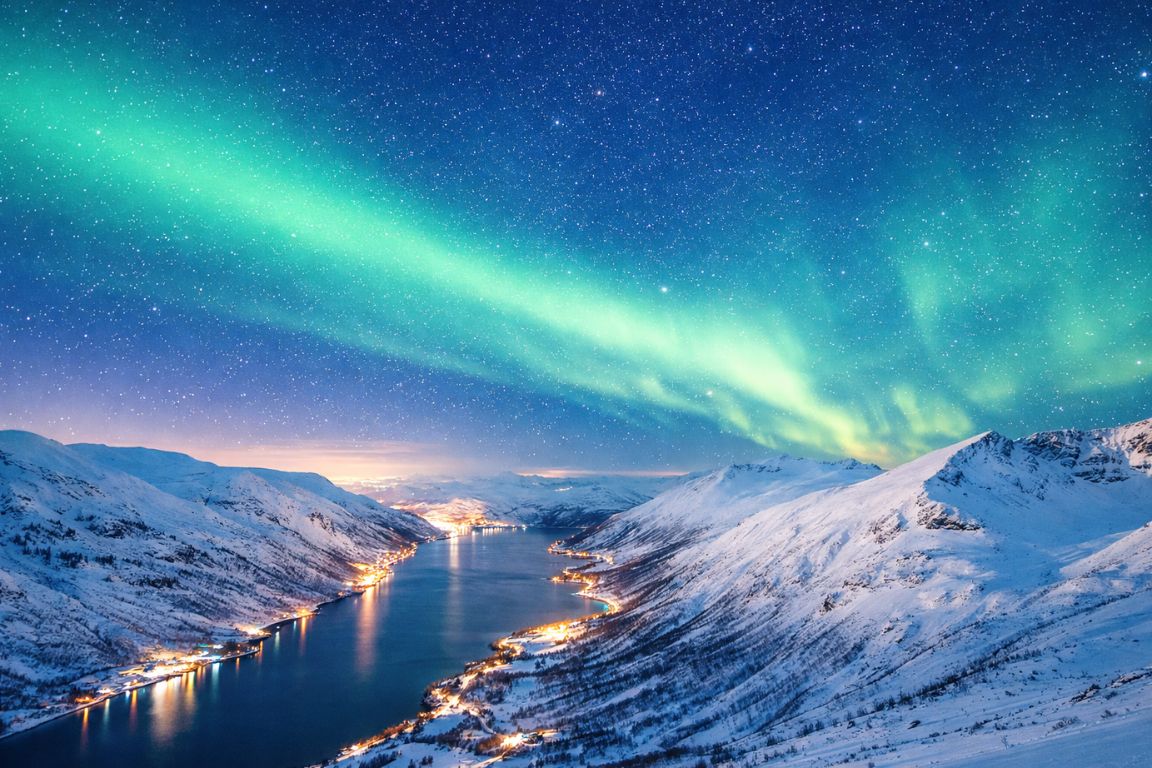
Solar activity follows 11-year cycles affecting aurora strength. Solar Cycle 25 reached solar maximum in 2024, and the declining phase since has kept displays stronger and more frequent, favoring all months into the 2026-2027 season.
Geomagnetic activity peaks during equinox months (March, September) through Earth-Sun magnetic field alignment, though this theoretical advantage becomes overshadowed by practical darkness and weather limitations.
Winter months December-February receive strongest Northern Lights due to solar wind density increases, Earth’s magnetic field orientation, and optimal atmospheric conditions for visible displays.
The practical reality shows darkness and weather mattering far more than subtle monthly aurora strength variations, with January’s clear skies enabling viewing of weaker KP 2-3 displays invisible during October’s clouds.
Check your travel date before arranging other plans. The minibus aurora chase includes warm suits, camera-setting help and high-resolution photos. Check Small-Group Aurora Dates
Table: Monthly Aurora Activity and Viewing Conditions
| Month | Aurora Strength | KP Index Typical | Darkness Quality | Weather Clarity | Actual Success Rate | Why Different |
|---|---|---|---|---|---|---|
| September | Moderate | KP 2-3 | Short (14-16 hrs) | Poor (cloudy) | 50-60% | Limited darkness + clouds |
| October | Moderate-Strong | KP 2-4 | Medium (12-14 hrs) | Moderate | 55-65% | Improving but transitional |
| November | Strong | KP 3-4 | Excellent (0-6 hrs) | Moderate | 70-75% | Polar night begins |
| December | Very Strong | KP 3-5 | Excellent (0 hrs) | Good | 75-80% | Full polar night + clarity |
| January | Very Strong | KP 3-5 | Excellent (0-2 hrs) | Very Good | 75-80% | Best clarity + darkness |
| February | Strong | KP 3-4 | Excellent (6 hrs) | Good | 70-75% | Still excellent overall |
| March | Moderate-Strong | KP 2-4 | Medium (12 hrs) | Moderate | 60-70% | Spring equinox + daylight |
KP index scale (0-9) measures geomagnetic activity with KP 3+ creating visible Northern Lights in Tromsø, occurring 40-60% of nights during peak season.
Solar Cycle 25's 2024 maximum and the declining phase that has followed keep producing more frequent KP 4-6 events creating vivid colorful aurora displays versus solar minimum (2018-2020) when KP 2-3 dominated.
September’s equinox advantage theoretically produces stronger aurora though practically nullified by short darkness (14-16 hours), high cloud cover (65-70%), and weak established viewing patterns.
Winter aurora color intensity increases during coldest months (December-January) when atmospheric conditions create optimal oxygen and nitrogen excitation producing vivid greens, purples, and reds.
The practical viewing equation combines: (Aurora Strength × Darkness Hours × Weather Clarity) = Actual Success Rate, showing January’s multiplication of strong aurora, maximum darkness, and clear weather producing highest results.
Forecasting accuracy improves during winter with stable weather patterns enabling 2-3 day advance KP index and cloud cover predictions versus chaotic autumn/spring transitions.
What Role Does Weather Play by Month?
Weather clarity determines Northern Lights visibility more than aurora strength itself, with clouds blocking even KP 6 displays while clear skies reveal faint KP 2 aurora.
January-February provides clearest weather averaging 30-35% fully cloud-free nights when high-pressure Arctic systems dominate, versus September-October’s 20-25% during unsettled transitions.
The cold-clarity correlation shows colder months (-12°C to -18°C January) typically producing clearest skies through high-pressure systems simultaneously creating bitter cold and optimal viewing.
Coastal Tromsø location experiences more variable weather than inland locations with maritime influence bringing clouds, though same proximity enables rapid weather pattern changes benefiting flexible chasers.
Check your actual travel date before arranging the following morning. The guided Big Bus Chase can run late and provides land transport for an aurora search. Check the Big Bus Chase date
Table: Monthly Weather Patterns and Aurora Viewing Impact
| Month | Avg Clear Nights | Cloud Cover % | Precipitation Days | Temperature Range | Weather Stability | Viewing Windows |
|---|---|---|---|---|---|---|
| September | 6-8 (20-27%) | 70-75% | 14-16 days | 0°C to -4°C | Poor (transition) | 9pm-3am |
| October | 7-9 (23-30%) | 65-70% | 12-14 days | -2°C to -8°C | Moderate | 8pm-4am |
| November | 8-10 (27-33%) | 60-65% | 10-12 days | -6°C to -10°C | Moderate-Good | 3pm-3am polar night |
| December | 9-11 (30-37%) | 55-60% | 10-12 days | -8°C to -12°C | Good | All day polar night |
| January | 10-12 (32-39%) | 55-60% | 8-10 days | -12°C to -18°C | Very Good | All day polar night |
| February | 9-11 (32-39%) | 55-60% | 8-10 days | -8°C to -12°C | Good | 6am-6pm + night |
| March | 8-10 (26-32%) | 60-65% | 10-12 days | -4°C to -8°C | Moderate | 7pm-5am |
The clear night calculation shows January’s 10-12 cloud-free nights out of 31 totaling 32-39% producing best statistics, though even peak months see clouds 60-70% of time.
September-October’s autumn transition creates rapidly changing weather with morning sun becoming afternoon clouds then evening clearing, requiring real-time flexibility.
Winter high-pressure systems during December-January bring multi-day clear periods versus spring/autumn’s brief clearing windows between storm systems.
Temperature inversions during coldest nights trap pollution and moisture low creating crystal-clear upper atmosphere ideal for aurora photography despite brutal surface cold.
The 3-4 night strategy accounts for weather variability ensuring 70-80% probability of at least one clear viewing night during peak months versus 50-60% during shoulders.
Snow versus rain precipitation shows winter snow being less disruptive for viewing than autumn rain, with light snow permitting aurora observation while rain guarantees cloudiness.
Coastal wind patterns can rapidly clear or bring clouds within 2-3 hours, with experienced guides monitoring real-time satellite imagery adjusting chase locations accordingly.
Choose a departure that fits your dates; natural conditions remain uncertain. The minibus aurora chase includes warm suits, camera-setting help and high-resolution photos. Explore Small-Group Aurora Chase With HD Photos
How Do Costs Vary by Month?
Accommodation prices peak December-February at €140-200 nightly for mid-range hotels with Christmas week (December 20-January 5) spiking to €180-250 representing 40-60% premiums.
Shoulder months September-October and March offer 25-30% lower prices at €100-150 nightly through reduced demand before/after peak season crush.
Tour prices remain relatively stable €90-150 throughout Northern Lights season (September-March) with operators setting consistent rates regardless of month, though some Christmas premium surcharges exist.
Flight costs to Tromsø peak December-February with 20-40% higher fares from major European hubs versus May, September-October shoulder periods offering best airline pricing.
Table: Complete Cost Comparison by Month
| Month | Accommodation Range | Tour Costs | Flight Cost Index | Restaurant Prices | Total Daily Budget | Booking Competition |
|---|---|---|---|---|---|---|
| September | €80-140 | €90-150 | 90 (baseline) | Standard | €180-280 | Low (easy booking) |
| October | €100-150 | €90-150 | 100 | Standard | €200-320 | Moderate |
| November | €120-180 | €90-150 | 110 | Standard | €220-350 | High |
| December | €140-200 (€180-250 Xmas) | €90-150 (€120-180 Xmas) | 130 | Standard | €250-380 (€320-450 Xmas) | Very High |
| January | €140-200 | €90-150 | 130 | Standard | €250-380 | Very High |
| February | €140-200 | €90-150 | 120 | Standard | €250-380 | Very High |
| March | €120-180 | €90-150 | 110 | Standard | €220-350 | High |
The December Christmas premium creates worst value period with €180-250 accommodation plus €120-180 tour premiums versus January 7-31’s standard €140-200 rooms delivering same aurora conditions.
September represents absolute best value at €80-140 accommodation (30-40% below peak) though accepting 50-60% success rates versus 75-80% paying full rates.
Booking timeline pressure correlates with costs showing December-February requiring 4-6 months advance planning versus September-October’s 2-4 weeks enabling responsive last-minute trips.
The cost-success calculation shows September at €200 daily with 55% success versus January €280 daily with 78% success, making January’s 23% higher success worth 40% premium for most visitors.
Flight deals appear during September-October and March shoulder seasons with Norwegian and SAS offering 20-30% lower fares than peak winter to stimulate off-season travel.
Package deals bundling accommodation, tours, and flights sometimes offer better value during peak months through operator buying power, worth comparing versus individual bookings.
Restaurant and activity costs remain stable year-round since Norwegian pricing doesn’t seasonally adjust, making accommodation fluctuation the primary variable cost factor.
The total trip cost for 5 days shows September at €1,000-1,400 versus January €1,250-1,900 (€250-500 premium) buying significantly higher success probability and optimal conditions.
Concerned about costs? Our detailed breakdown of how expensive Tromsø really is covers daily budgets, accommodation, meals, activities, and money-saving strategies for every spending level.
Compare the current quote with your own group budget. The minibus aurora chase includes warm suits, camera-setting help and high-resolution photos. Explore Small-Group Aurora Chase With HD Photos
Which Month Should Different Travelers Choose?
First-time Northern Lights seekers should prioritize January for maximum 75-80% success rates, optimal darkness, and clearest weather despite cold and expense representing best investment.
Budget travelers benefit from September-October accepting 55-65% success rates for 25-30% cost savings (€100-150 vs €140-200 accommodation), making economic sense if multiple trips planned.
Photographers targeting serious aurora portfolios need January-February’s polar night darkness enabling all-day flexibility and clearest skies for crisp star-filled backgrounds.
Families with kids should choose November or late February avoiding extreme January cold (-15°C to -18°C) while maintaining 70-75% strong success rates at slightly warmer temperatures.
Table: Best Month by Traveler Type
| Traveler Type | Recommended Month | Alternative Month | Why | Avoid | Success Priority |
|---|---|---|---|---|---|
| First-Timers | January | December/February | Highest success, optimal conditions | April-Aug, September | Maximum |
| Budget Travelers | September/October | November | 25-30% lower costs | Dec-Feb peak prices | Medium-Low |
| Serious Photographers | January | February | Polar night flexibility, clearest skies | March (too much daylight) | Maximum |
| Families with Kids | November or Late February | December (non-Xmas) | Warmer, manageable cold | January (too cold -18°C) | High |
| Returning Visitors | March | October | Different experience, twilight | Same as first trip | Medium |
| Senior Travelers | February | November | Warmer temps, sun returning | January extreme cold | High |
| Luxury Travelers | January or December | February | Best conditions, cost irrelevant | September (limited services) | Maximum |
| Adventure Seekers | December-February | November | Full winter experience + activities | Shoulder seasons | High |
First-time visitor strategy prioritizes success over cost since most take single Northern Lights trips, making January’s 75-80% success justifying 30% premium versus risky cheaper shoulders.
Budget travelers planning multiple Aurora visits benefit from cheaper September attempts accepting lower success, learning from failures, returning better prepared for future peak-season trips.
Photographer requirements show January-February’s 18-20 hour darkness enabling shooting from 2pm-2am versus March’s 9pm-3am window limiting creative timing flexibility.
Family cold tolerance shows kids handling -10°C November or February better than -18°C January, with warmer months providing 70-75% success still quite strong.
Returning visitors seeking different experiences benefit from March’s unique twilight-aurora combinations or September’s autumn colors versus repeating peak winter seasons.
Senior temperature sensitivity favors February’s -10°C or November’s -8°C over January’s -15°C while maintaining 70-75% aurora success acceptable for less physically demanding trips.
Luxury traveler indifference to cost makes December-January optimal focusing purely on experience quality versus budget considerations influencing normal travelers.
FAQs
Check your travel date before arranging other plans. The minibus aurora chase includes warm suits, camera-setting help and high-resolution photos. Check Small-Group Aurora Dates
What is the best month to see Northern Lights in Tromsø?
January ranks #1 offering 75-80% success over 3-4 nights with polar night darkness (0-2 hrs daylight), clearest weather (30-35% cloud-free nights), and strongest aurora activity.
Discover this option for your itinerary. The Aurora Hunt meets outside Scandic Ishavhotel, and guests should arrive 10 minutes before departure. Check the January Hunt departure
Can you see Northern Lights in Tromsø in December?
Yes, December matches January for 75-80% success with full polar night though Christmas week (Dec 20-Jan 5) brings 40-60% price premiums and extreme crowds.
Check your date before arranging other plans. Explore a December yacht evening combining reindeer soup, warm drinks, indoor seating and a private hot-tub slot. Explore the December Dinner Cruise
Is October good for Northern Lights in Tromsø?
Moderate, with 55-65% success over 3-4 nights as season builds, offering 25-30% lower costs than peak months though shorter darkness (12-14 hours) and variable weather.
What months can you NOT see Northern Lights in Tromsø?
April-August impossible due to 18-24 hours continuous daylight (midnight sun May-July) overwhelming aurora displays preventing visibility despite aurora technically occurring overhead.
Visiting in the bright summer months? Explore Sommarøy’s islands by road with a salmon picnic and photos; this is daytime sightseeing, not an aurora outing. Explore The Sommarøy Day Trip
Is March too late for Northern Lights in Tromsø?
No, March maintains solid 60-70% success despite 12-hour daylight and season winding down, offering beautiful twilight photography and spring activities alongside aurora viewing.
Discover a March guided hunt with a thermal suit, warm meal and web-size souvenir photos. The route may include a Finland crossing, so bring your passport. Explore the March Aurora Hunt
Should I visit Tromsø in November or February for Northern Lights?
Both excellent at 70-75% success – November cheaper (€120-180 vs €140-200) with season beginning, February warmer (-10°C vs -15°C) with sun returning and beautiful twilight.
How to Choose Your Optimal Northern Lights Month
Prioritize success rate if taking once-in-lifetime trip choosing January (75-80%) over budget September (50-60%) since experience quality justifies 30% cost premium.
Consider temperature tolerance with January’s -15°C requiring extreme cold gear versus November’s -8°C or February’s -10°C being more manageable for cold-sensitive travelers.
Evaluate budget constraints where 25-30% cost savings (September-October, March) might enable longer stays compensating for lower per-night success through additional attempts.
Balance crowds against conditions with mid-January (January 8-28) providing peak aurora chances with Christmas crowds departed versus December 20-January 5 chaos.
Plan minimum 3-4 nights all seasons accounting for weather variability, extending to 4-5 nights shoulder months (September-October, March) achieving comparable success to 3-night peak.
Book 4-6 months ahead December-February securing accommodation and tours before peak season sells out, versus 2-4 weeks shoulder months enabling responsive planning.
Accept polar night trade-offs with January’s 24-hour darkness enabling flexible viewing but creating psychological challenges versus February’s returning sun.
For expert month selection guidance and optimal Northern Lights experiences, book at / where we maximize aurora success.
Glossary
- Polar Night: November 21-January 21 period when sun never rises above horizon creating 0-2 hours twilight maximum and 24-hour darkness.
- KP Index: 0-9 scale measuring geomagnetic activity predicting aurora strength, with KP 3+ creating visible Northern Lights in Tromsø.
- Success Rate: Cumulative probability of seeing Northern Lights over 3-4 night stays accounting for weather and aurora activity variability.
- Shoulder Season: September-October and March transitional months offering 25-30% lower prices though 10-15% reduced success rates versus peak winter.
- Solar Maximum: Peak of 11-year solar cycle, reached in 2024 for Solar Cycle 25, with the declining phase since producing stronger more frequent aurora through elevated solar activity.
Check your travel date before arranging other plans. The minibus aurora chase includes warm suits, camera-setting help and high-resolution photos. Check Small-Group Aurora Dates
Key Takeaways
- Best Northern Lights months ranked: January (#1, 75-80% success), December (#2, 75-80%), February (#3, 70-75%), November (#4, 70-75%), March (#5, 60-70%).
- Peak season November-February provides 70-80% success rates over 3-4 nights with maximum darkness (0-6 hours daylight polar night), clearest weather (30-35% cloud-free), and strongest aurora activity. January optimal with perpetual polar night darkness (0-2 hours daylight), clearest skies, coldest temperatures (-12°C to -18°C) correlating with high-pressure systems, though highest crowds and costs (€140-200 accommodation). December matches January success (75-80%) with full polar night though Christmas week (December 20-January 5) sees 40-60% price spikes (€180-250 rooms) requiring 6-12 months booking.
- Polar night November 21-January 21 creates 24-hour darkness enabling all-day viewing flexibility versus restricted 9pm-3am windows shoulder months. February maintains excellent 70-75% success despite sun returning February 16, with warmer temperatures (-8°C to -12°C) and beautiful twilight photography.
- Shoulder seasons September-October offer 50-65% success with 25-30% lower costs (€100-150 accommodation) though shorter darkness (12-16 hours) and variable autumn weather. March solid 60-70% success despite 12-hour daylight and season ending, providing spring twilight opportunities. April-August impossible for Northern Lights due to 18-24 hours continuous daylight (midnight sun May 20-July 22) preventing aurora visibility.
- Book 4-6 months ahead December-February peak season, 3-4 months November/March, 2-4 weeks September-October. Minimum 3-4 nights essential all months for weather buffer achieving 70-80% success peak season, 4-5 nights shoulder seasons reaching 60-70%.
- Weather clarity determines success more than aurora strength with January’s 30-35% cloud-free nights beating September’s 20-25% even when aurora activity equal. Solar Cycle 25's 2024 maximum and current declining phase produce stronger aurora (KP 4-6 common) versus solar minimum.
- Budget €140-200 accommodation peak winter, €90-150 tours year-round, €100-150 accommodation shoulders. Plan complete optimal timing at /.
Written by Erik Johansen, Tromsø tour guide for the past 15 years, specializing in Northern Lights expeditions and optimal aurora viewing timing.
Choose a month, then check a departure
If you haven’t picked a month yet and just wanted the real numbers, the tables above are the honest version. No tour fixes a bad month, and free cancellation on every listing here means holding a date costs nothing while you decide.
Check Your Tour Date
Planning an aurora evening? Check your Tromsø date before arranging dinner or other plans; this guided hunt includes a warm meal, thermal suit and web-size souvenir photos.
Adjust activity, timing or group needs
General recommendations: confirm dates and group requirements
For an independent plan, stay several nights between September and March, check cloud cover and aurora forecasts, and use suitable public viewpoints away from strong city glare. Keep the schedule flexible and dress for prolonged cold. For April through August, change the travel period rather than buying an aurora tour if seeing the northern lights is the priority.
Compare Your Group’s Real Costs
Use current quotes in the same currency. Include transport, fuel, parking and equipment in your DIY total. Include all participants and extras in the tour total.
Booking takes place with the provider. Prices, exact departures and available options are shown there. We may earn a commission when you book through these links.